



NHTSA Opens Investigations into Honda, Kia Vehicles

Washington — The National Highway Traffic Safety Administration has opened investigations into electrical issues on the 2006 Honda CR-V and shifting issues with the 2007 Kia Optima, The Detroit News reported.
The probes — both opened after just three complaints — are the latest examples of how federal safety regulators are opening more investigations into potential safety issues than in recent years and moving faster than in the past.
In the first, NHTSA is investigating 150,000 2006 Honda CR-V models after reports of melting or burning of the master power window switch and related electrical system wiring components. All three complaints alleged fires in the driver's door related to the driver's master power window switch.
Honda spokesman Chris Naughton said Honda will fully cooperate. He declined to say if Honda has received any additional reports of fires.
Separately, NHTSA is also probing 41,000 2007 Kia Optima models over complaints that the automatic transmission shift cable may detach from the shifter assembly. If this occurs, the transmission gear shifter becomes inoperative.
NHTSA said it had received three complaints concerning automatic transmission shift cable detachment and inability to engage the gears (park, drive and reverse) in model year 2007 Kia Optima vehicles. "One of the complaints also reported is a rollaway incident after parking the vehicle," NHTSA said.
In 2007, Kia Motors issued a technical service bulletin concerning incorrectly installed automatic transmission shift cables in certain model year 2006 and 2007 Kia Optima vehicles. The bulletin said that over time these cables can detach from the shifter assemblies' dowel pins resulting in the inability to select or engage drive gears. NHTSA noted that difficulty engaging park may also occur.
Kia said in a statement it is not aware of any injuries and is cooperating with NHTSA in its investigation.
NHTSA came under harsh criticism from Congress earlier this year in the wake of Toyota Motor Corp.'s sudden acceleration issues and the disclosure that NHTSA had not done more to force Toyota to make fixes in response to complaints.
More Industry

Penske Auto Group Deal a Record
The deal to take the dealership and transportation services company private sets a new pace for industry buy-sell transactions.
Read More →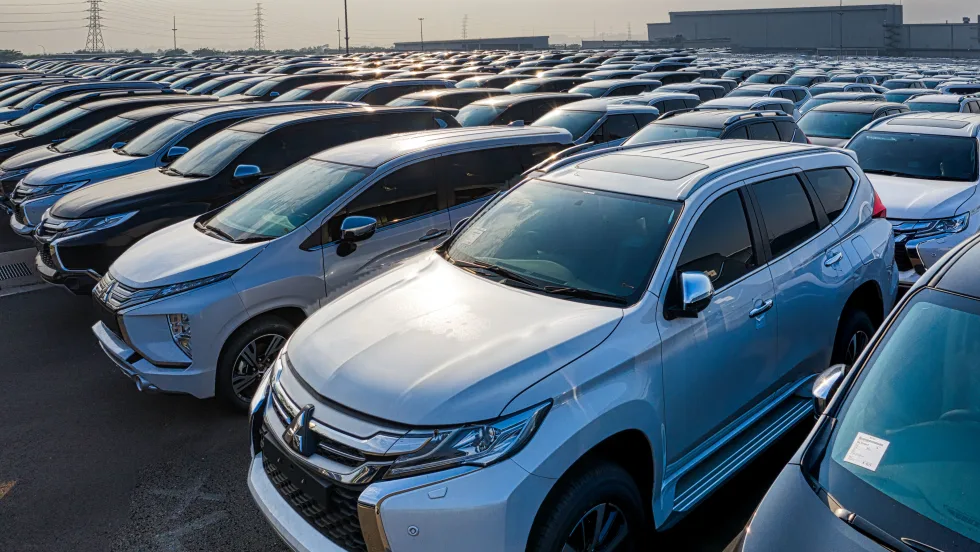
War Toll a Damper on Used Auto Prices
Cox Automotive found wholesale depreciation to be elevated in September amid high fuel prices and this year's unusual hurricane season.
Read More →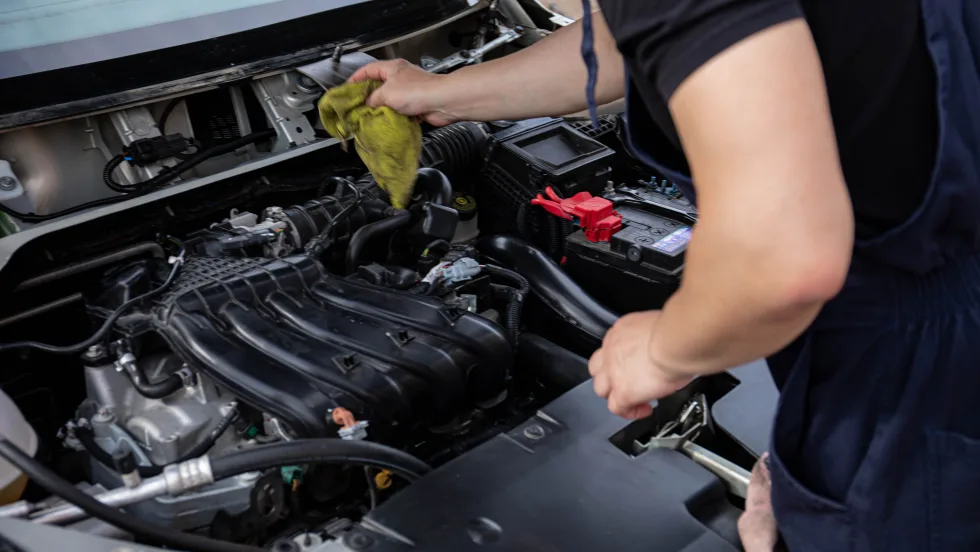
Bridge the Maintenance Gap
With many drivers missing recommended maintenance, service departments offering transparency and efficiency have a better chance of reaching financially strained consumers.
Read More →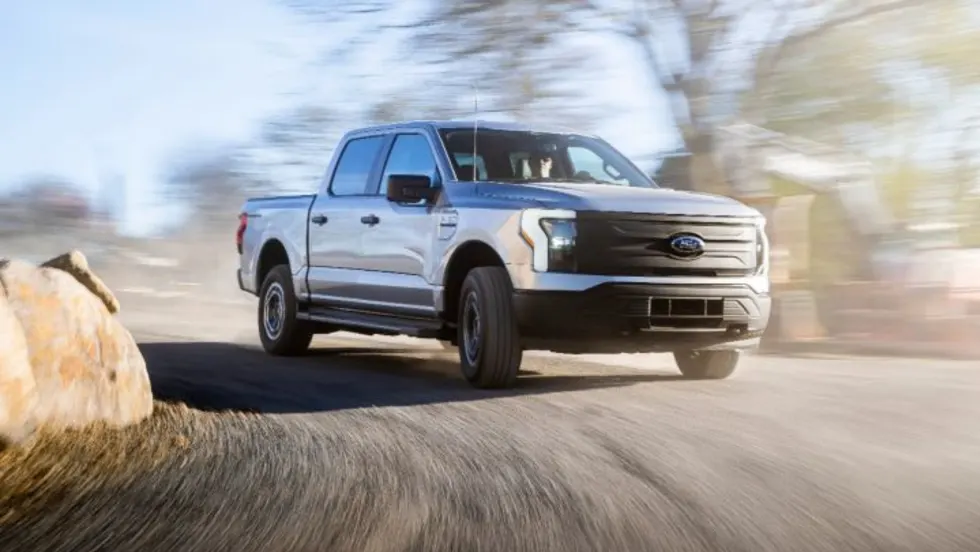
California Store Has New Owner
The longtime dealership in the northern part of the state is known for robust fleet sales and has served the state capital for 115 years.
Read More →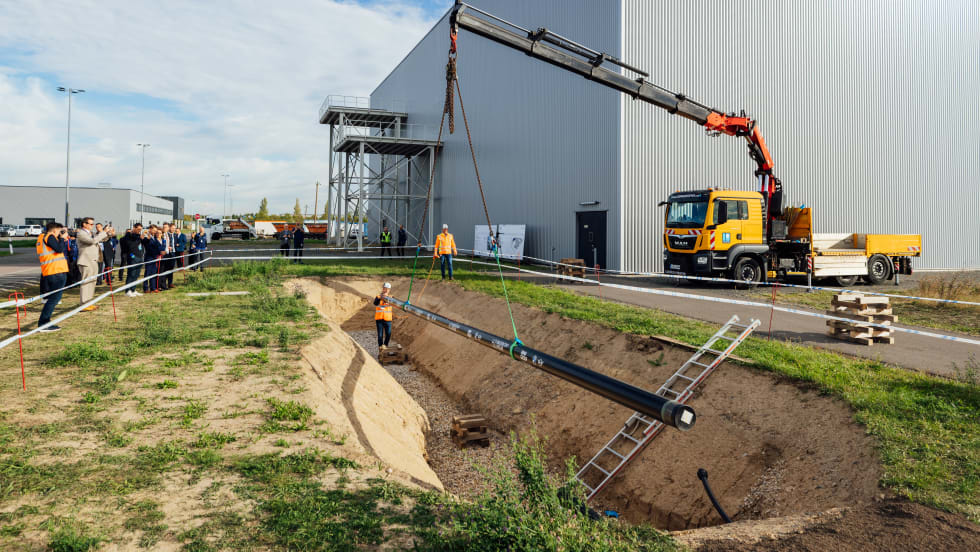
BMW Plant Pursues Cleaner Energy
BMW Group Plant Leipzig has utilized hydrogen to help power its production since 2013, but a new pipeline is planned to take it to another level.
Read More →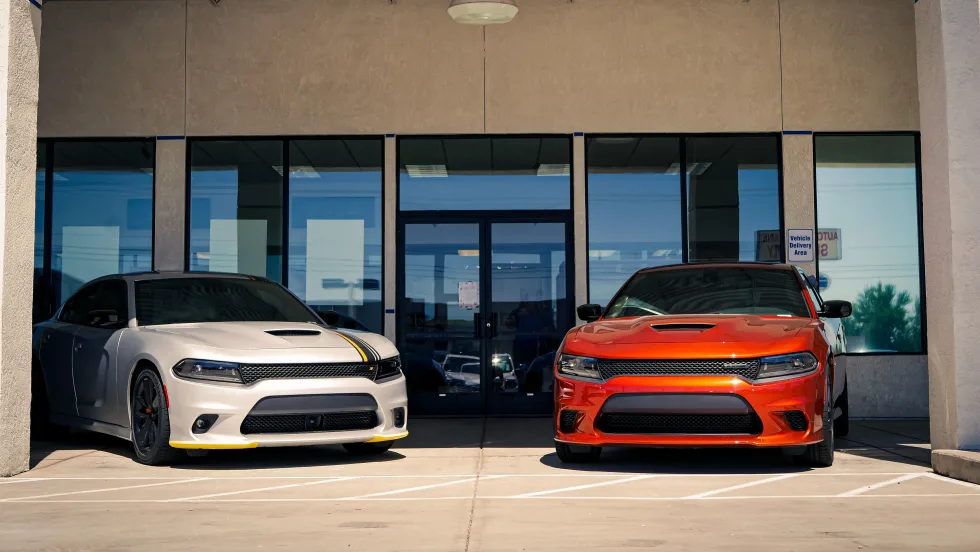
Auto Affordability Inches Up
The latest Cox Automotive and Moody’s Analytics index shows a slight increase in new-vehicle affordability despite high prices.
Read More →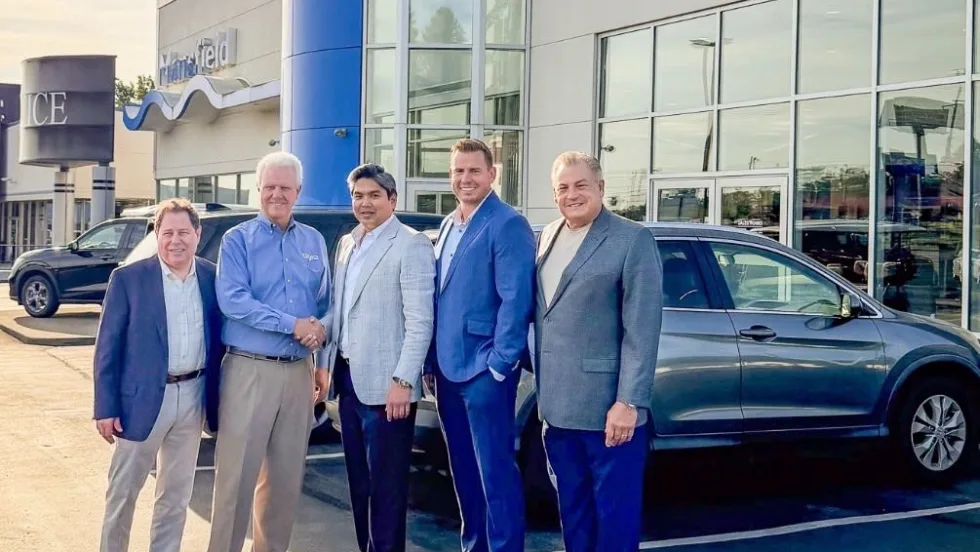
Ohio Auto Group Under New Ownership
After 79 years with the Schluter family, Mansfield Auto Group has been acquired by Missouri-based Clement Auto Group.
Read More →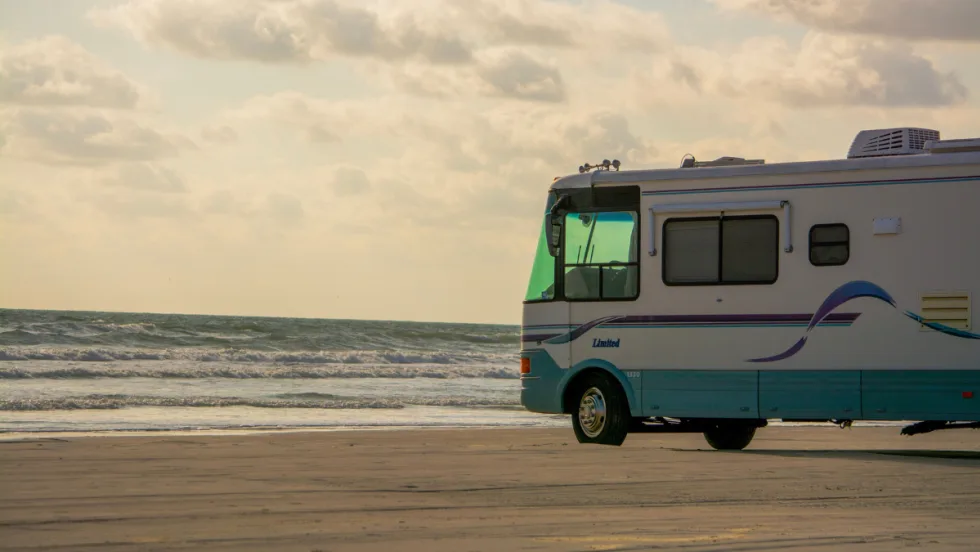
RV Group Expands Carolina Footprint
Blue Compass RV Columbia Northeast is the 13th RV dealership owned by Blue Compass in the Carolinas.
Read More →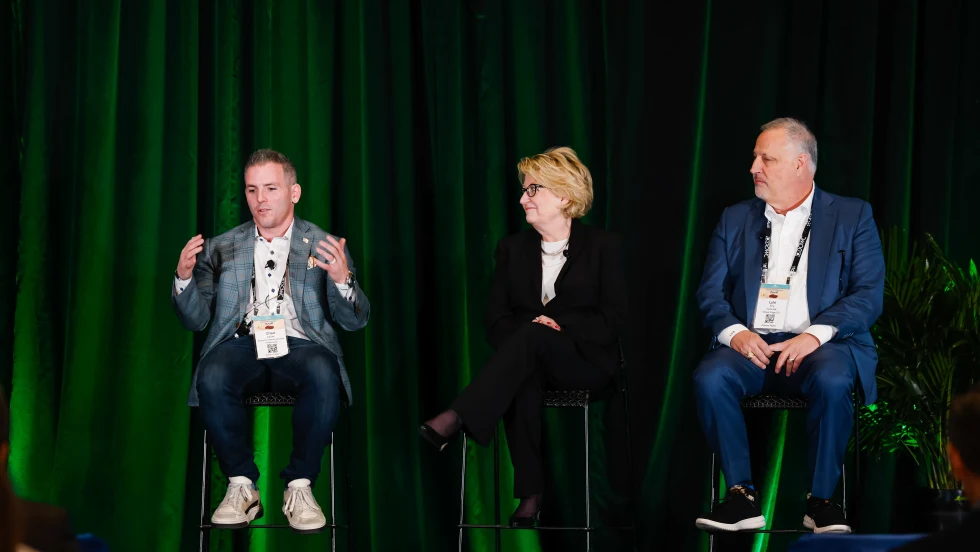
Agent Acumen
An Agent Summit panel of people who’ve been supporting auto dealers for years gave both timely and timeless advice for those starting out or mulling the prospect.
Read More →
Missed Maintenance Creates Opportunity
As families get back on the road and into daily school routines, service drives have an opportunity to capture customers who are behind on recommended vehicle maintenance.
Read More →