



New-Vehicle Prices End 2022 at Record Highs
Kelly Blue Book data show prices up year-over-year in December.

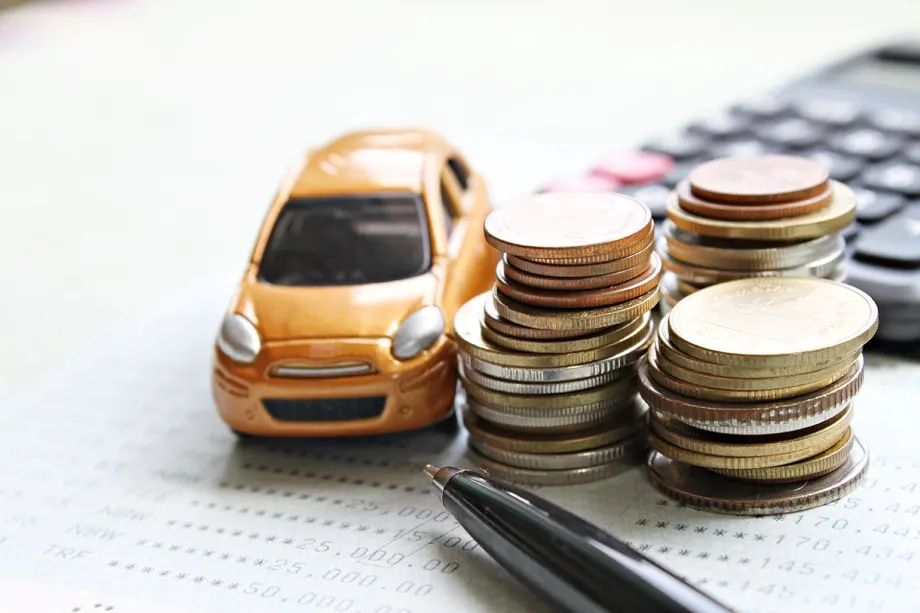
Kelly Blue Book says new-vehicle ATPs have been above the average manufacturer’s suggested retail price for more than a year.
IMAGE: Getty Images/sureeporn
The average transaction price, or ATP, for a new vehicle in the U.S. hit a record high in December at $49,507, an increase of 1.9%, or $927, month-over month and 4.9%, or $2,297, year-over-year. New-vehicle inventory levels are increasing from historic lows earlier in 2022, but prices remain elevated, according to data by Kelley Blue Book, a Cox Automotive company.
According to Kelley Blue Book calculations, new-vehicle ATPs have been above the average manufacturer’s suggested retail price, also known as the sticker price, for more than a year. Sales volumes in December were up year-over-year by more than 5% but down from November, thanks in part to improved supply. Elevated prices and high loan rates are putting downward pressure on sales.
“The transaction data from December clearly indicates overall prices showed no signs of coming down as we headed into year-end,” said Rebecca Rydzewski, research manager of economic and industry insights for Cox Automotive. “Luxury prices fell slightly in December, but nonluxury transaction prices were up. Truck sales were particularly strong last month, and with many trucks selling for more than $60,000, a new record was all but inevitable.”
According to Cox Automotive estimates, new-vehicle inventory is steadily improving, though some brands have a noticeably larger supply than others.
“Incentives overall are still very low but trending upwards. Electric vehicles and luxury cars had incentives close to 6% of ATP, and both saw ATP decline in December as a result. Plus, with the new tax credits on the way, electric vehicle ATPs will drop lower for qualifying vehicles,” Rydzewski said.
Average Nonluxury Prices Hit Record
The average price paid for a new nonluxury vehicle in December was $45,578—a record high and up $994 month-over-month. The previous record high was in August. Truck sales were particularly strong, with more than 270,000 sold for the first time since the spring of 2021, and the average price paid was over $59,000. The best-selling vehicle in the U.S. is the Ford F-Series pickup truck, and the average price paid for a new one is well into luxury territory at $66,451, according to Kelley Blue Book estimates. In December, Ford sold more than 75,000 F-Series trucks, its best month of the year.
Most nonluxury brands had stable pricing or declines in December. Honda and Kia showed the most price strength in the nonluxury market, transacting between 5% and 6% over sticker price.
Luxury Share Hits Record
For most of 2022, strong luxury vehicle sales were a primary reason for overall elevated new-vehicle prices. Luxury-vehicle share typically increases in December, which was indeed the case, jumping to a record 18.6% of total sales from 18.2% in November. The high share of luxury sales helps push the overall industry ATP higher. Five years prior, in December 2018, luxury market share set a record at 16.5%. Every month in 2022, luxury share was higher.
In December, the average luxury buyer paid $66,660 for a new vehicle, down $216 from November. Buyers continue to pay over MSRP for new luxury vehicles but not by much. Luxury cars at all levels were selling below MSRP in December, along with luxury compact and subcompact SUVs.
Mercedes-Benz and Land Rover showed the most price strength in the luxury market, transacting between 2.6% to 6.5% over sticker price. Audi, BMW, Infiniti, Lexus, Lincoln and Volvo showed the least price strength, selling 1% or more below MSRP.
EV Prices, Led by Tesla, Drop
The average price paid for a new EV decreased in December by $3,594, or 5.5%, month-over-month and ended the year down by 0.6%. The average new EV sold for $61,448, according to Kelley Blue Book estimates, still well above the industry average. The drop in pricing was driven by significant price cuts at Tesla, which commands more than 65% of the EV segment. Earlier in the year, Tesla was increasing prices, citing supply issues. In December, the company reversed course.
Manufacturer Incentives Stay Low
Incentives increased in December 2022 to 2.7% of the average transaction price, compared to 2.2% in November. A year earlier, incentives averaged 3.8% of ATP. In December 2019, before the pandemic and when inventory was plentiful, the average incentive package was 10.9% of ATP, according to Kelley Blue Book estimates.
EVs had the highest incentives, again influenced by changes at Tesla, at 6.2% of ATP, followed closely by luxury cars at 5.8% of ATP. Meanwhile, vans, minivans and full-size SUVs had the lowest incentives, all less than 1% of ATP.
Originally posted on Auto Dealer Today
More Industry
Nebraska Rooftop Changes Hands
The Gregg Young Automotive Group has sold its second dealership to Janssen Auto Group, both in Plattsmouth, Neb.
Read More →
Penske Auto Group Deal a Record
The deal to take the dealership and transportation services company private sets a new pace for industry buy-sell transactions.
Read More →
War Toll a Damper on Used Auto Prices
Cox Automotive found wholesale depreciation to be elevated in September amid high fuel prices and this year's unusual hurricane season.
Read More →
Bridge the Maintenance Gap
With many drivers missing recommended maintenance, service departments offering transparency and efficiency have a better chance of reaching financially strained consumers.
Read More →
California Store Has New Owner
The longtime dealership in the northern part of the state is known for robust fleet sales and has served the state capital for 115 years.
Read More →
BMW Plant Pursues Cleaner Energy
BMW Group Plant Leipzig has utilized hydrogen to help power its production since 2013, but a new pipeline is planned to take it to another level.
Read More →
Auto Affordability Inches Up
The latest Cox Automotive and Moody’s Analytics index shows a slight increase in new-vehicle affordability despite high prices.
Read More →
Ohio Auto Group Under New Ownership
After 79 years with the Schluter family, Mansfield Auto Group has been acquired by Missouri-based Clement Auto Group.
Read More →
RV Group Expands Carolina Footprint
Blue Compass RV Columbia Northeast is the 13th RV dealership owned by Blue Compass in the Carolinas.
Read More →
Agent Acumen
An Agent Summit panel of people who’ve been supporting auto dealers for years gave both timely and timeless advice for those starting out or mulling the prospect.
Read More →