



New Forecasts Show Best September Sales Since 2007
SANTA MONICA, Calif. — New vehicle sales projections for September are up as much as 9.7% compared to the same period last year according to forecasts from TrueCar and J.D. Power. Over 1.2 million new light-vehicles will be sold in September which TrueCar is calling the highest number in 7 years. “We expect another strong ... Read More »

SANTA MONICA, Calif. — New vehicle sales projections for September are up as much as 9.7% compared to the same period last year according to forecasts from TrueCar and J.D. Power. Over 1.2 million new light-vehicles will be sold in September which TrueCar is calling the highest number in 7 years.
“We expect another strong month for the industry with the best September since 2007,” said John Krafcik, president of TrueCar. “Incentive spending has tapered off from August, a month where we found increases attributable to shifts in segment mix, model year clearance and holiday events.”
The average new vehicle retail transaction price in September was $30,100, the highest ever for the month and exceeding 2013 by $450.
“While the strong sales pace is an indicator of the health of the industry, it is being complemented by record transaction prices for the month of September,” said John Humphrey, senior vice president of global automotive practice at J.D. Power.
Kia is projected to have the strongest rebound from 2013 with a 23.7% increase in sales compared to last September, according to TrueCar. GM has the highest projected number of sales at 225,000 vehicles.
Average incentive spending by manufacturers was $2,801 per car, 6.2% lower than it was in August but still at healthy levels, said Krafcik.
TrueCar also projects over 3 million used car sales from dealerships and private parties in September, a slightly lower number than last year. Both TrueCar and J.D. Power are forecasting 16.4 million new light- vehicle sales for 2014.
Edmunds also released their September forecast showing similar projected numbers while commenting that as good as the numbers have been, buyers had responded to more low financing deals and lease offers which boded well for new car sales going forward.
More Industry

Penske Auto Group Deal a Record
The deal to take the dealership and transportation services company private sets a new pace for industry buy-sell transactions.
Read More →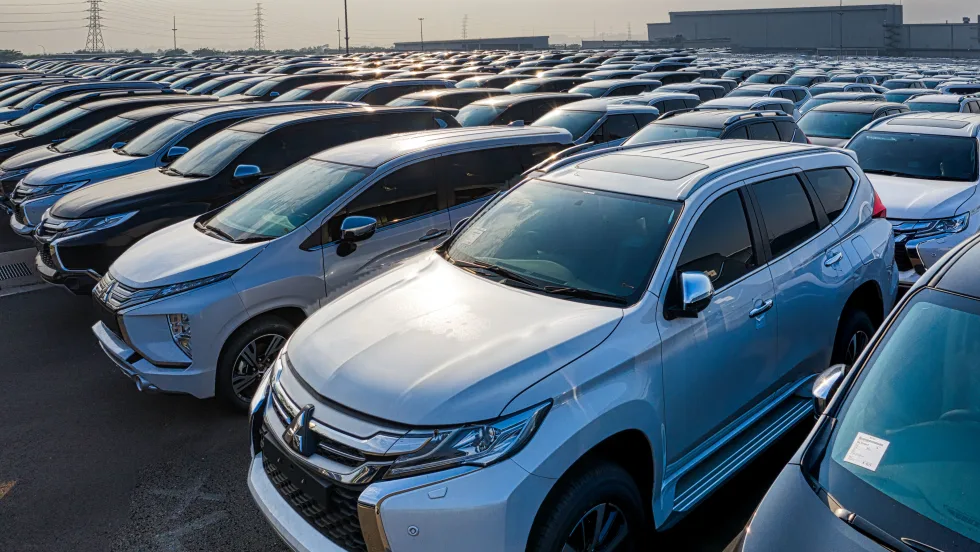
War Toll a Damper on Used Auto Prices
Cox Automotive found wholesale depreciation to be elevated in September amid high fuel prices and this year's unusual hurricane season.
Read More →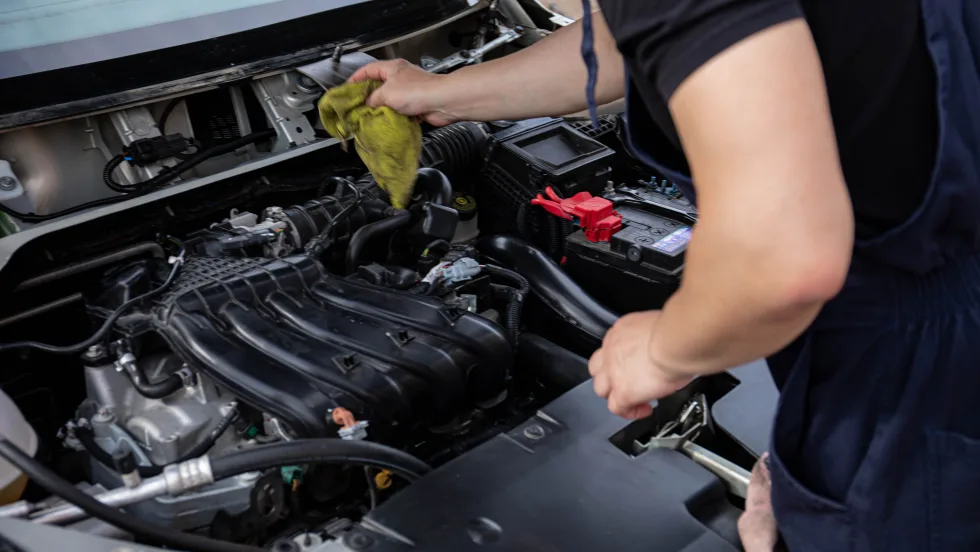
Bridge the Maintenance Gap
With many drivers missing recommended maintenance, service departments offering transparency and efficiency have a better chance of reaching financially strained consumers.
Read More →
California Store Has New Owner
The longtime dealership in the northern part of the state is known for robust fleet sales and has served the state capital for 115 years.
Read More →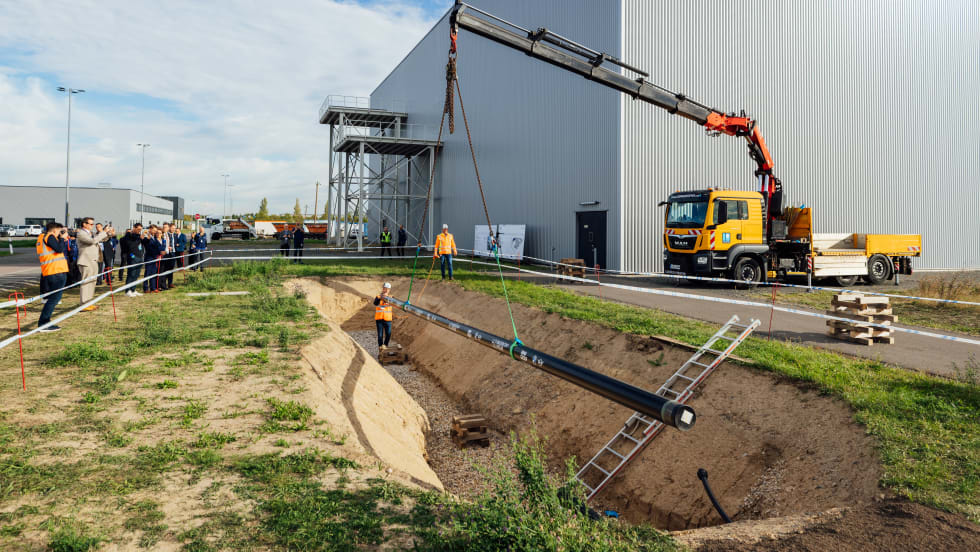
BMW Plant Pursues Cleaner Energy
BMW Group Plant Leipzig has utilized hydrogen to help power its production since 2013, but a new pipeline is planned to take it to another level.
Read More →
Auto Affordability Inches Up
The latest Cox Automotive and Moody’s Analytics index shows a slight increase in new-vehicle affordability despite high prices.
Read More →
Ohio Auto Group Under New Ownership
After 79 years with the Schluter family, Mansfield Auto Group has been acquired by Missouri-based Clement Auto Group.
Read More →
RV Group Expands Carolina Footprint
Blue Compass RV Columbia Northeast is the 13th RV dealership owned by Blue Compass in the Carolinas.
Read More →
Agent Acumen
An Agent Summit panel of people who’ve been supporting auto dealers for years gave both timely and timeless advice for those starting out or mulling the prospect.
Read More →
Missed Maintenance Creates Opportunity
As families get back on the road and into daily school routines, service drives have an opportunity to capture customers who are behind on recommended vehicle maintenance.
Read More →