



New Cars Now Out of Reach for Many?
Report suggests middle-class norm becoming harder to achieve.


The prevailing conditions are translating to wealthy consumers buying a bigger share of new cars.
IMAGE: Kris Lucas
A recent Bloomberg report characterized pandemic-era car price trends as a permanent shift and declared that owning a new car has become a reality only for the rich instead of the middle-class norm it’s been for decades.
Citing U.S. Bureau of Labor Statistics data, along with other sources, the news provider pointed out that average monthly new-car loan payments in the U.S. stayed at about $400 for a decade. Now they stand at a record $777, almost double the level in late 2019, shortly before the pandemic, it said, citing Cox Automot ive figures.
That level of expense for one vehicle is at the limit of how much the typical U.S. household can afford and cover other expenses, Cox Chief Economist Jonathan Smoke told Bloomberg.
“The idea of a new car in every American’s driveway is not the world we live in,” Cox Senior Economist Charlie Chesbrough said.
According to J.P. Morgan, the average new-car price in the U.S. is nearly $50,000, a 30% spike from 2019, Bloomberg said. A used model averages about $27,000, according to a Cox statistic.
Carmakers are focusing on producing fewer and more expensive models, Bloomberg said, pointing out that Ford’s gross profit rose 4.4% year-over-year in 2022 and General Motors’ adjusted earnings rose about $200 million, even as automakers as a whole sold 8% fewer vehicles, the least in a decade.
Similar trends have taken shape in Europe and Asia, the publication reported. For example, new-car prices in Europe are at all-time highs.
And it looks like, despite recently increased inventories and slightly lower prices as a result, pricing won’t return to prepandemic normals, Bloomberg said. Before, U.S. manufacturers produced as much as they could and offered generous incentives to buyers in order to sell as many units as possible, maintaining up to 100 days’ worth of inventory. In January, U.S., supply stood at 57 days’ worth, according to Cox. Bloomberg said that’s in order for manufacturers to keep overhead low and prices elevated.
“We’ll never go back to the inventory levels that we were at in the past,” GM CEO Mary Barra told investors last year.
Ford, Toyota and Nissan have said they plan to avoid keeping billions of dollars in inventory on hand or offering buyer incentives to thin it.
Still, as inventories increase due to easing of supply-chain slowdowns, some carmakers have said new-car prices should fall. But the chip shortage is projected to continue, keeping them from falling dramatically. Used-car prices should drop only about 4% this year, partly because leasing is down, Smoke at Cox told Bloomberg.
The prevailing conditions are translating to wealthy consumers buying a bigger share of new cars. Almost 30% are in households earning more than $150,000 a year, up from 22% in 2016, Bloomberg said, citing consultant AlixPartners.
“The bottom part of the market sort of fell out,” said AlixPartners Managing Director Mark Wakefield.
LEARN MORE: Inventory Dips in January
Originally posted on Auto Dealer Today
More Industry

Penske Auto Group Deal a Record
The deal to take the dealership and transportation services company private sets a new pace for industry buy-sell transactions.
Read More →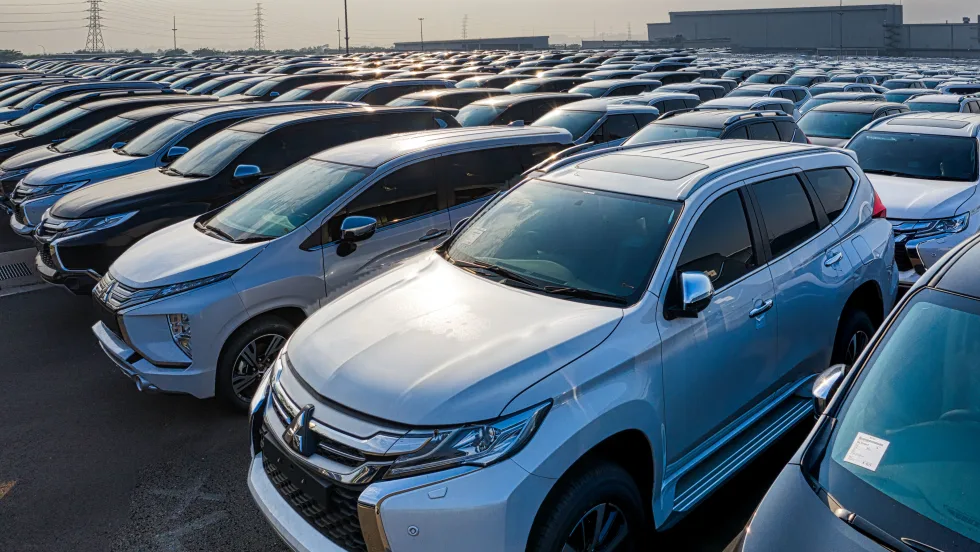
War Toll a Damper on Used Auto Prices
Cox Automotive found wholesale depreciation to be elevated in September amid high fuel prices and this year's unusual hurricane season.
Read More →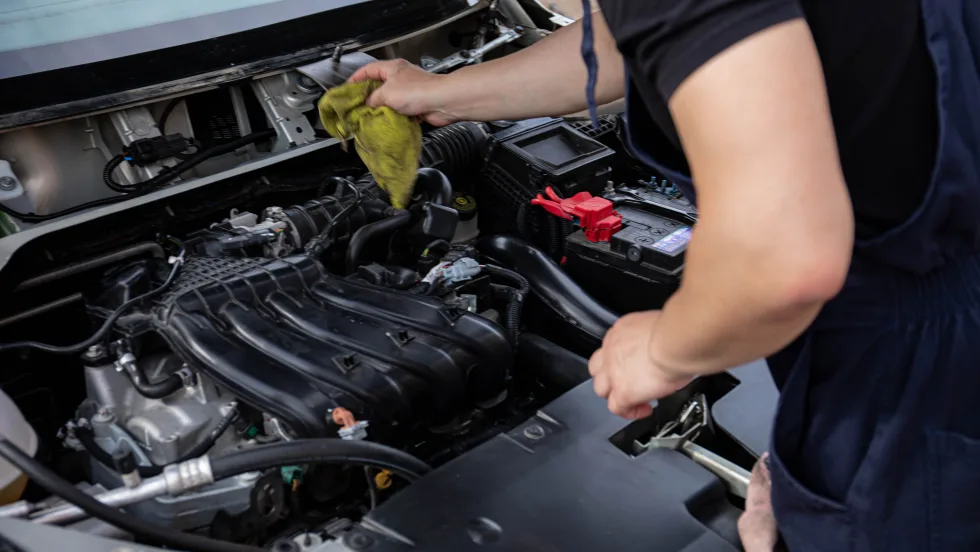
Bridge the Maintenance Gap
With many drivers missing recommended maintenance, service departments offering transparency and efficiency have a better chance of reaching financially strained consumers.
Read More →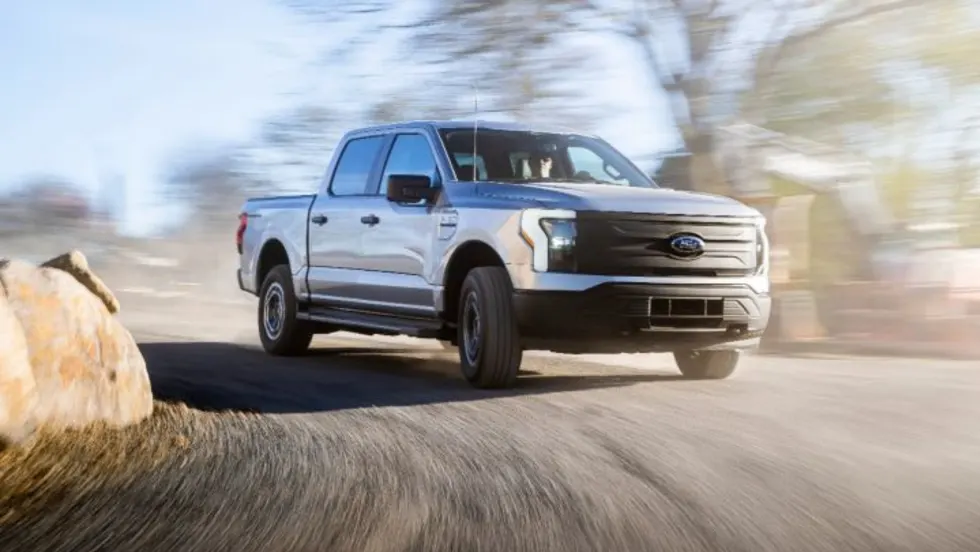
California Store Has New Owner
The longtime dealership in the northern part of the state is known for robust fleet sales and has served the state capital for 115 years.
Read More →
BMW Plant Pursues Cleaner Energy
BMW Group Plant Leipzig has utilized hydrogen to help power its production since 2013, but a new pipeline is planned to take it to another level.
Read More →
Auto Affordability Inches Up
The latest Cox Automotive and Moody’s Analytics index shows a slight increase in new-vehicle affordability despite high prices.
Read More →
Ohio Auto Group Under New Ownership
After 79 years with the Schluter family, Mansfield Auto Group has been acquired by Missouri-based Clement Auto Group.
Read More →
RV Group Expands Carolina Footprint
Blue Compass RV Columbia Northeast is the 13th RV dealership owned by Blue Compass in the Carolinas.
Read More →
Agent Acumen
An Agent Summit panel of people who’ve been supporting auto dealers for years gave both timely and timeless advice for those starting out or mulling the prospect.
Read More →
Missed Maintenance Creates Opportunity
As families get back on the road and into daily school routines, service drives have an opportunity to capture customers who are behind on recommended vehicle maintenance.
Read More →