



NADA Issues Second Quarter 2020 Auto Sales Analysis
During this quarter, retail sales recovered much more quickly than fleet sales from the effects of the COVID-19 pandemic.


During this quarter, retail sales recovered much more quickly than fleet sales from the effects of the COVID-19 pandemic.
Image by Jay George from Pixabay
The National Automobile Dealers Association (NADA) issued an analysis of U.S. auto sales and the economy following the second quarter of the year, a period when dealers and the U.S. economy continued experiencing the impact the coronavirus pandemic, but also began seeing an upturn.
It is unlikely that we will make up all of the production lost during the shutdowns, but vehicle manufacturers are working through previously schedule summer vacation shutdowns to try and catch up.
“Vehicle sales have continued to show signs of recovery after bottoming out in April at a SAAR of 8.6 million units, the lowest on record since the federal government began tracking auto sales,” said NADA chief economist Patrick Manzi. “June’s SAAR of 13.05 million units was a significant improvement over April.”
During this quarter, retail sales recovered much more quickly than fleet sales from the effects of the COVID-19 pandemic. Fleet sales were down year-over-year by a 72% in May while retail sales only fell by 17%. And in June fleet sales were down year-over-year by 73% while retail sales were off by only 6%. Several major rental car companies have cancelled or significantly reduced their fleet orders this year causing fleet sales to fall dramatically.
The retail sales recovery has been driven by generous manufacturer incentives. According to J.D. Power, incentive spending is expected to average $4,349 per unit, an increase of $383 from June 2019 and a record level for the month of June. After reaching an all-time record of $4,981 per unit in April 2020, incentive spending decreased in May and June. For the rest of the year, incentive levels are expected to be elevated compared to last year but likely won’t be as high as in April 2020.
From an inventory perspective, dealers have seen significant reductions compared to the same time last year given plant shutdowns and robust recovery in retail demand. At the end of June, inventory was 2.6 million units, down from 3.9 million units this time last year, with a shortage of inventory in popular segments. Pickup truck inventory was particularly low due to strong sales resulting from record incentives offered by manufacturers in April and May.
According to Wards Intelligence, the forecast for Q3 2020 North American vehicle production is 3.81 million units – down 7.5% compared to Q3 2019. Through the first nine months of 2020, North American vehicle production is expected to total 9.13 million units – down 29.2% compared to the first 9 months of 2019.
“It is unlikely that we will make up all of the production lost during the shutdowns, but vehicle manufacturers are working through previously schedule summer vacation shutdowns to try and catch up,” added Manzi. “However, the decline in fleet sales frees up capacity for the production of additional vehicles for retail sales.”
NADA’s new light-vehicle sales estimate remains between 13 million and 13.5 million units for the year.
At the macrolevel, virus-related economic recovery legislation provided the U.S. economy a much-needed boost. The $2.2 trillion dollar stimulus, the largest stimulus package in modern history, provided vital Paycheck Protection Program (PPP) loans to small businesses, including truck and car dealers, allowing dealers to retain employees even in spite of forced closures from the pandemic.
June’s jobs report showed that the U.S. economy added a record 4.8 million jobs. However, despite a large number of American’s returning to work, there are still 15 million Americans unemployed. This data was captured in early June before recent spikes in COVID infections in certain geographic parts of the country. These spikes could cause volatility in the jobs numbers in the coming months.
Originally posted on Auto Dealer Today
More Industry

Penske Auto Group Deal a Record
The deal to take the dealership and transportation services company private sets a new pace for industry buy-sell transactions.
Read More →
War Toll a Damper on Used Auto Prices
Cox Automotive found wholesale depreciation to be elevated in September amid high fuel prices and this year's unusual hurricane season.
Read More →
Bridge the Maintenance Gap
With many drivers missing recommended maintenance, service departments offering transparency and efficiency have a better chance of reaching financially strained consumers.
Read More →
California Store Has New Owner
The longtime dealership in the northern part of the state is known for robust fleet sales and has served the state capital for 115 years.
Read More →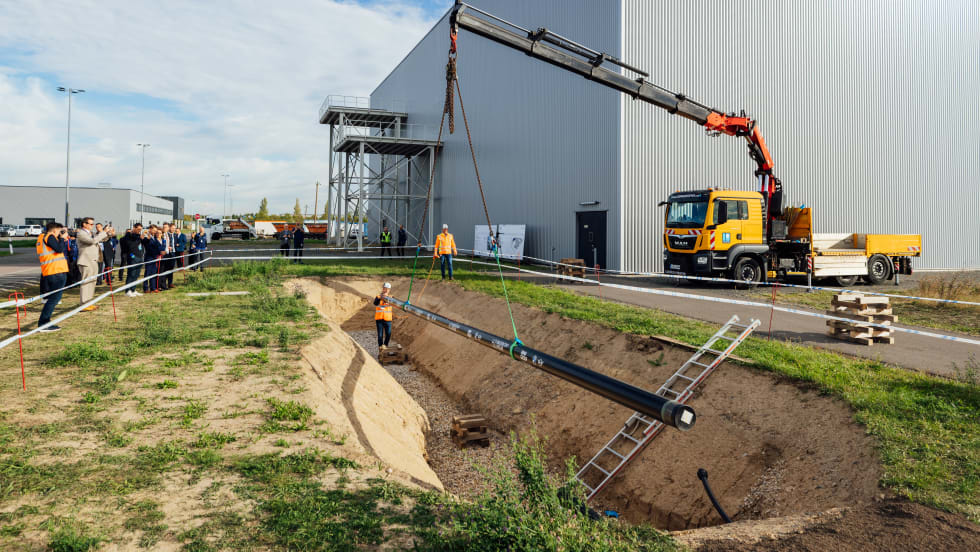
BMW Plant Pursues Cleaner Energy
BMW Group Plant Leipzig has utilized hydrogen to help power its production since 2013, but a new pipeline is planned to take it to another level.
Read More →
Auto Affordability Inches Up
The latest Cox Automotive and Moody’s Analytics index shows a slight increase in new-vehicle affordability despite high prices.
Read More →
Ohio Auto Group Under New Ownership
After 79 years with the Schluter family, Mansfield Auto Group has been acquired by Missouri-based Clement Auto Group.
Read More →
RV Group Expands Carolina Footprint
Blue Compass RV Columbia Northeast is the 13th RV dealership owned by Blue Compass in the Carolinas.
Read More →
Agent Acumen
An Agent Summit panel of people who’ve been supporting auto dealers for years gave both timely and timeless advice for those starting out or mulling the prospect.
Read More →
Missed Maintenance Creates Opportunity
As families get back on the road and into daily school routines, service drives have an opportunity to capture customers who are behind on recommended vehicle maintenance.
Read More →