



NADA Blasts FTC Over Proposed Dealership Rules
Draft regulations would target bait-and-switch price ads, misleading F&I practices, and valueless F&I products.


NADA Regulatory Affairs President Paul Metrey wrote to the FTC that the proposed body of rules is “ill-conceived, ill-supported, ill-coordinated, untested and unlawful,” adding that it’s unnecessary in the first place, as “each harm it seeks to address is already regulated under existing law.”
IMAGE: NADA
The National Automobile Dealers Association gave the Federal Trade Commission an earful over its proposed restrictions on dealerships on the FTC’s last day taking public comment on the draft regulations, which are intended to curb bait-and-switch price ads and other unscrupulous practices.
NADA’s regulatory affairs president, Paul Metrey, wrote to the FTC that the proposed body of rules is “ill-conceived, ill-supported, ill-coordinated, untested and unlawful,” adding that it’s unnecessary in the first place, as “each harm it seeks to address is already regulated under existing law.”
Metrey continued that the regulations would “inject massive costs into the auto retailing process, greatly extend transaction times, greatly confuse consumers, and impede efficiencies aided by technological innovations that have significantly improved – and continue to improve – the customer experience.”
The trade group executive said the draft rules also lack “critical stakeholder input, essential customer testing and needed coordination with other federal agencies and state governments.”
NADA and other trade groups had unsuccessfully pushed for 120 more days to respond to the draft rules.
In addition to targeting bait-and-switch price ads, the proposal would regulate misleading finance-and-insurance office practices and valueless F&I products.
The 4-1 FTC decision favoring the rules said they’re intended to address customer confusion with add-ons, such as F&I coverage and after-market accessories.
“Many of the problems observed in the motor vehicle marketplace persist in the face of repeated federal and state enforcement actions, suggesting the need for additional measures to deter deceptive and unfair practices,” the FTC proposal says.
Originally posted on F&I and Showroom
More Industry

Penske Auto Group Deal a Record
The deal to take the dealership and transportation services company private sets a new pace for industry buy-sell transactions.
Read More →
War Toll a Damper on Used Auto Prices
Cox Automotive found wholesale depreciation to be elevated in September amid high fuel prices and this year's unusual hurricane season.
Read More →
Bridge the Maintenance Gap
With many drivers missing recommended maintenance, service departments offering transparency and efficiency have a better chance of reaching financially strained consumers.
Read More →
California Store Has New Owner
The longtime dealership in the northern part of the state is known for robust fleet sales and has served the state capital for 115 years.
Read More →
BMW Plant Pursues Cleaner Energy
BMW Group Plant Leipzig has utilized hydrogen to help power its production since 2013, but a new pipeline is planned to take it to another level.
Read More →
Auto Affordability Inches Up
The latest Cox Automotive and Moody’s Analytics index shows a slight increase in new-vehicle affordability despite high prices.
Read More →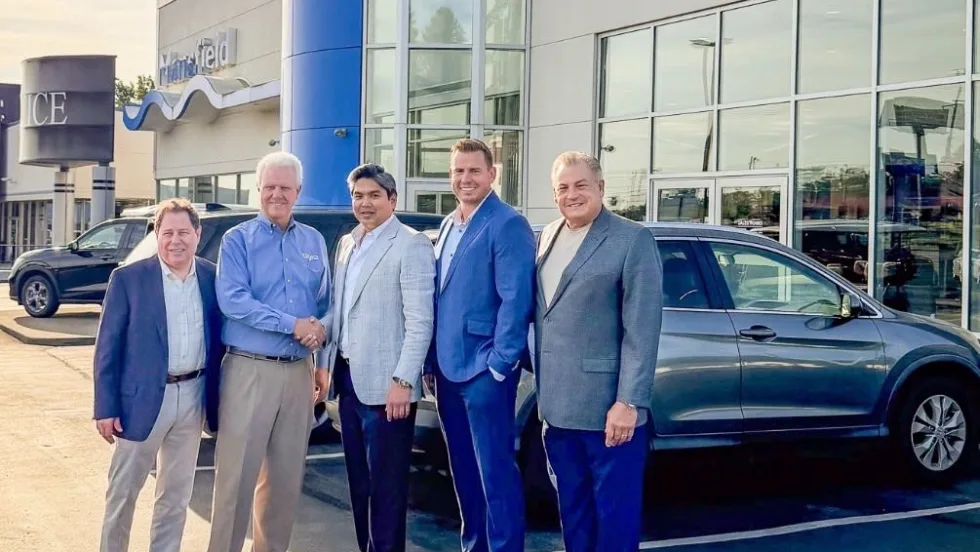
Ohio Auto Group Under New Ownership
After 79 years with the Schluter family, Mansfield Auto Group has been acquired by Missouri-based Clement Auto Group.
Read More →
RV Group Expands Carolina Footprint
Blue Compass RV Columbia Northeast is the 13th RV dealership owned by Blue Compass in the Carolinas.
Read More →
Agent Acumen
An Agent Summit panel of people who’ve been supporting auto dealers for years gave both timely and timeless advice for those starting out or mulling the prospect.
Read More →
Missed Maintenance Creates Opportunity
As families get back on the road and into daily school routines, service drives have an opportunity to capture customers who are behind on recommended vehicle maintenance.
Read More →