



Hyundai Motor, Kia Motors Aim to Raise Fuel Economy by 25 Percent by 2020
Hyundai Motor and its affiliate Kia Motors said on Thursday they aim to raise the average fuel economy of their vehicles by 25 percent by 2020 to meet emissions regulations in South Korea, the United States and Europe, reported Reuters. The announcement came after the South Korean duo on Monday agreed to pay $350 million ... Read More »

Hyundai Motor and its affiliate Kia Motors said on Thursday they aim to raise the average fuel economy of their vehicles by 25 percent by 2020 to meet emissions regulations in South Korea, the United States and Europe, reported Reuters.
The announcement came after the South Korean duo on Monday agreed to pay $350 million in penalties to the U.S. government for overstating fuel economy ratings.
At home, they have also struggled to fend off imported rivals which have surged in popularity thanks to their fuel-efficient, diesel-powered engines.
In a statement, the South Korean automakers said they would develop next-generation engines and transmissions, reduce the weight of key models and expand their line-up of environmentally friendly vehicles to reach the target.
“In the first half of this year, group chairman Chung Mong-koo ordered to secure world-leading competitiveness in fuel economy by 2020,” Hyundai said in a statement.
Hyundai and Kia, which share key components, said they will replace 70 percent of their 10 gasoline and diesel engines with next-generation engines, while expanding the use of turbo-charged gasoline engines.
They also will develop more advanced transmissions.
The companies, which have steel making affiliate Hyundai Steel, said they will also expand use of advanced, high-strength steel to make vehicles lighter.
Hyundai and Kia, which together rank fifth in global vehicle sales, plan to launch a compact, hybrid-dedicated vehicle and the plug-in hybrid version of the Sonata sedan next year as part of efforts to beef up its eco-friendly cars.
More Industry

Penske Auto Group Deal a Record
The deal to take the dealership and transportation services company private sets a new pace for industry buy-sell transactions.
Read More →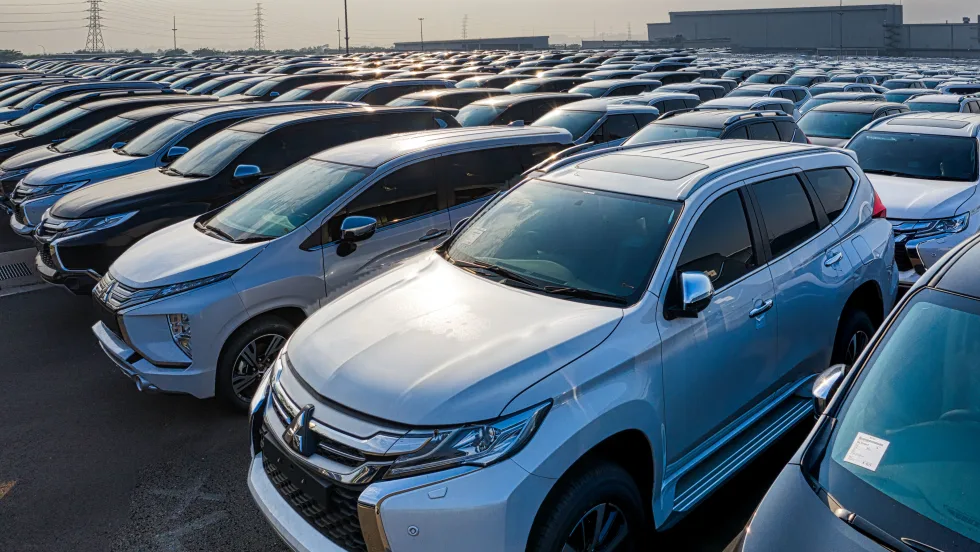
War Toll a Damper on Used Auto Prices
Cox Automotive found wholesale depreciation to be elevated in September amid high fuel prices and this year's unusual hurricane season.
Read More →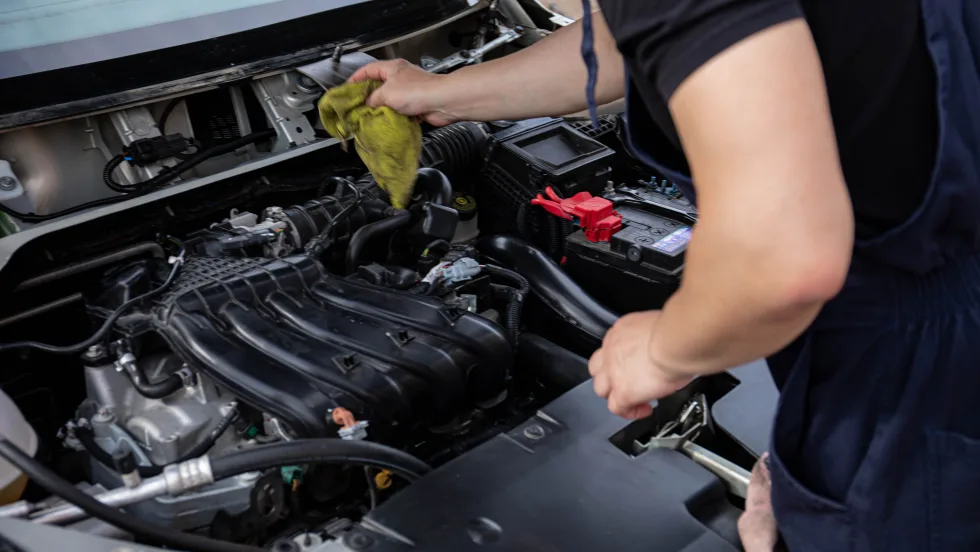
Bridge the Maintenance Gap
With many drivers missing recommended maintenance, service departments offering transparency and efficiency have a better chance of reaching financially strained consumers.
Read More →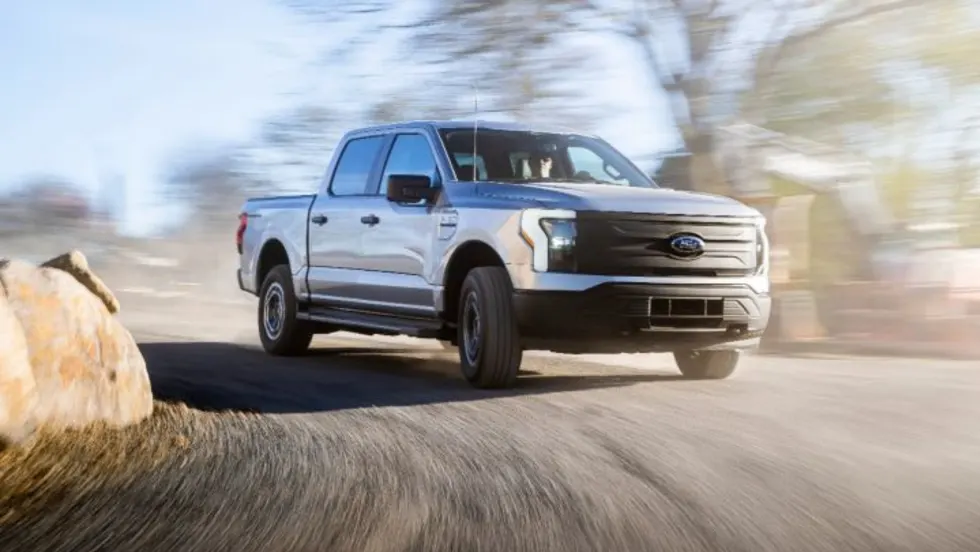
California Store Has New Owner
The longtime dealership in the northern part of the state is known for robust fleet sales and has served the state capital for 115 years.
Read More →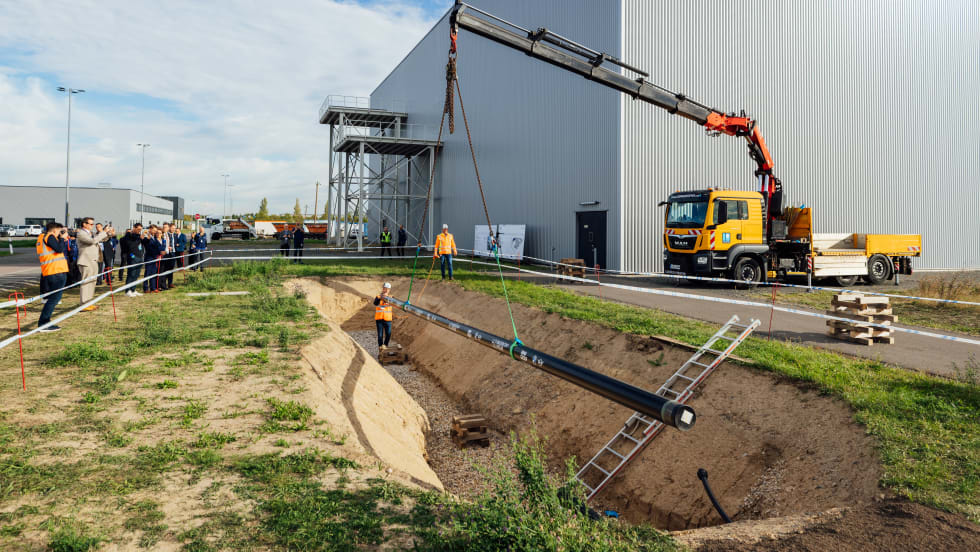
BMW Plant Pursues Cleaner Energy
BMW Group Plant Leipzig has utilized hydrogen to help power its production since 2013, but a new pipeline is planned to take it to another level.
Read More →
Auto Affordability Inches Up
The latest Cox Automotive and Moody’s Analytics index shows a slight increase in new-vehicle affordability despite high prices.
Read More →
Ohio Auto Group Under New Ownership
After 79 years with the Schluter family, Mansfield Auto Group has been acquired by Missouri-based Clement Auto Group.
Read More →
RV Group Expands Carolina Footprint
Blue Compass RV Columbia Northeast is the 13th RV dealership owned by Blue Compass in the Carolinas.
Read More →
Agent Acumen
An Agent Summit panel of people who’ve been supporting auto dealers for years gave both timely and timeless advice for those starting out or mulling the prospect.
Read More →
Missed Maintenance Creates Opportunity
As families get back on the road and into daily school routines, service drives have an opportunity to capture customers who are behind on recommended vehicle maintenance.
Read More →