



GM Execs Will Use Private Charters for IPO Road Show

NEW YORK - General Motors Co. executives will use some charter flights on trips over the next few weeks to meet with prospective investors in the automaker’s upcoming public stock offering, GM said.
GM, Chrysler and Ford Motor Co. sparked public outrage two years ago when executives flew to Washington on chartered jets to ask the federal government for a taxpayer-funded bailout, Reuters reported.
The congressional backlash was so severe that the executives later drove from Detroit for a follow-up hearing in hybrids, a move mocked on "Saturday Night Live." Ford did not seek a bailout at the time but supported bailouts for its two U.S. competitors to ensure the supply chain would not collapse.
“GM’s corporate travel policy allows charter flights when supported by a business rationale,” GM spokesman Tom Wilkinson told The News York Times. “This is consistent with our requirements under TARP [the federal bailout terms] and our Treasury loan agreement, as our shareholders know.”
The U.S. Treasury Department, which controls the government’s 61 percent GM stake, declined to comment directly on the matter, according to The Times story.
“This is not an issue in which Treasury is in any way involved,” Mark Paustenbach, a Treasury spokesman, told the newspaper.
GM CEO Dan Akerson and several other executives are expected to begin meetings as early as today with potential investors in North America and Europe, according to The Times.
Typically, institutional investors expect face-to-face meetings with the management of companies trying to sell stock. Taking chartered flights ensures the executives will arrive on time for those meetings, also known as “road shows” in the investment world. But given that GM is controlled by taxpayer dollars, the issue has been discussed internally, a source familiar with the matter recently told Reuters.
"It's fair to say GM is very concerned about appearing extravagant," said the source. "Even though we always do this, because it's the only way to really get a road show done properly in an amount of time that minimizes market risk for the seller, this one might be a special case."
GM on Wednesday finalized terms for the stock offering of about $13 billion to partially repay the taxpayer-funded bailout and reduce the U.S. Treasury to a minority shareholder.
GM's filing with the U.S. Securities and Exchange Commission was the final step before it begins marketing what is expected to be one of the largest-ever initial public offerings. The investors are expected to span the globe and include sovereign wealth funds.
The automaker plans to sell 365 million common shares at $26 to $29 each, raising about $10 billion at the midpoint, according to the updated IPO papers filed with the SEC.
In addition, GM said it planned to sell about $3 billion of preferred shares that would convert to common shares under mandatory provisions, a less risky form of equity that could attract dividend and growth-fund investors.
The IPO would value GM at just over $41 billion at the midpoint of the price range. Assuming exercise of warrants that are in-the-money, the share count jumps roughly 300 million to 1.8 billion, and GM's value rises to just under $49 billion.
If everything goes as planned, the offering would be the largest U.S. IPO since Visa Inc.'s $19.7 billion IPO in 2008.
GM's underwriters could sell an additional 54.75 million common shares and 9 million preferred shares if the IPO attracts robust investor demand, raising another roughly $2 billion and potentially taking the total IPO amount to as much as $15.65 billion, the company said in the amended prospectus.
Once a blue-chip stock, GM is expected to return to the New York Stock Exchange under the "GM" ticker symbol as well as a listing on the Toronto Stock Exchange. GM is expected to price its IPO on Nov. 17 and begin trading on Nov. 18, sources said.
The governments of Canada and Ontario plan to sell down their combined stake to 9.64 percent from 11.67 percent and the UAW’s retiree health care trust fund is expected to reduce its stake to 15.33 percent from 19.93 percent.
GM plans to contribute $4 billion cash and $2 billion of common stock to its pensions after the IPO to address an area of investor concern.
More Industry

Penske Auto Group Deal a Record
The deal to take the dealership and transportation services company private sets a new pace for industry buy-sell transactions.
Read More →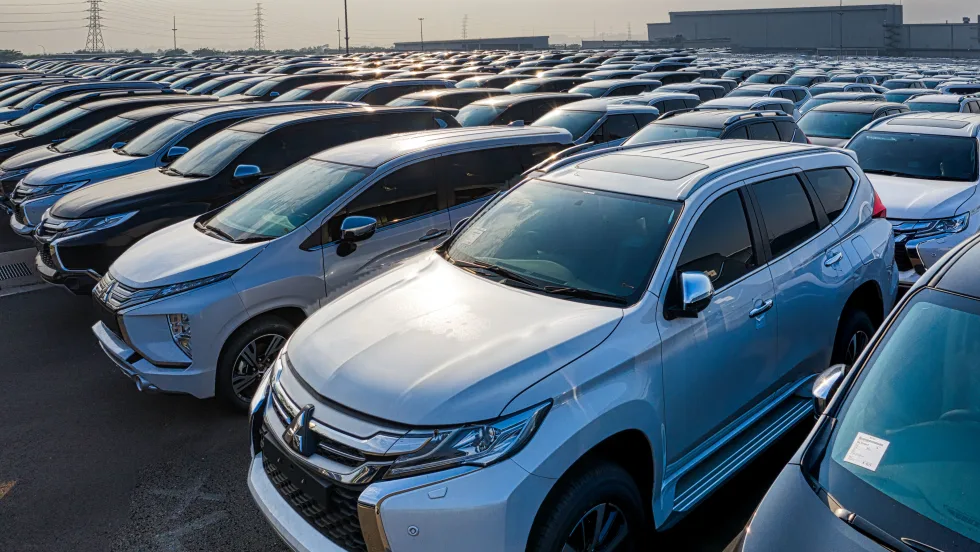
War Toll a Damper on Used Auto Prices
Cox Automotive found wholesale depreciation to be elevated in September amid high fuel prices and this year's unusual hurricane season.
Read More →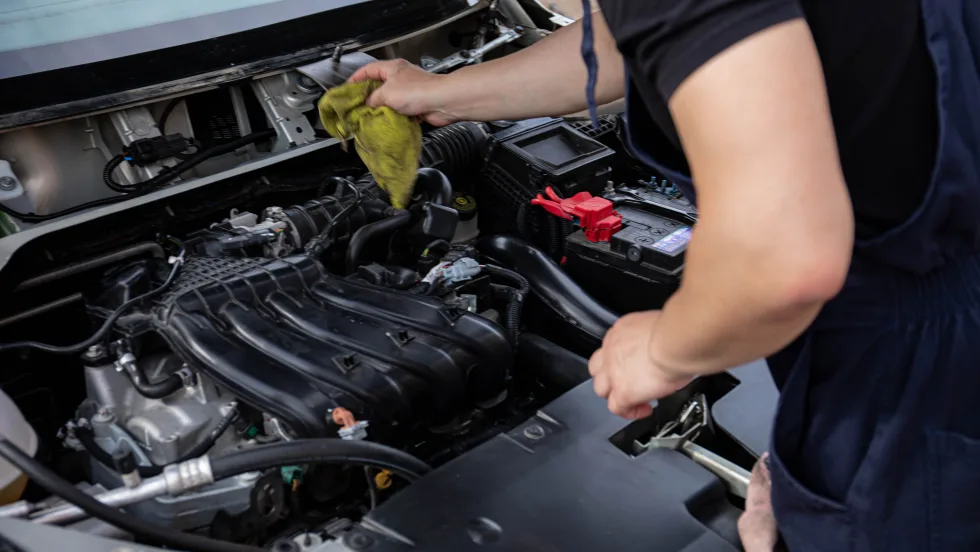
Bridge the Maintenance Gap
With many drivers missing recommended maintenance, service departments offering transparency and efficiency have a better chance of reaching financially strained consumers.
Read More →
California Store Has New Owner
The longtime dealership in the northern part of the state is known for robust fleet sales and has served the state capital for 115 years.
Read More →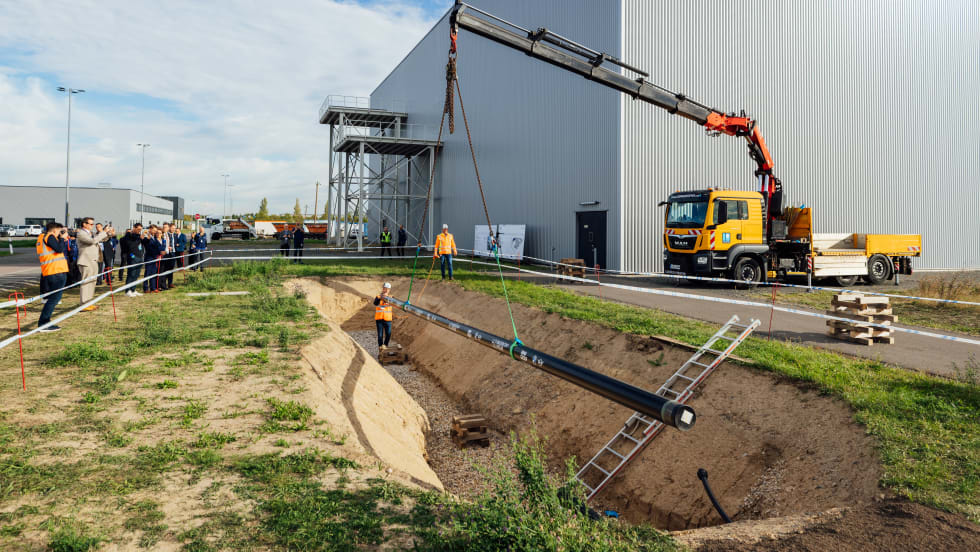
BMW Plant Pursues Cleaner Energy
BMW Group Plant Leipzig has utilized hydrogen to help power its production since 2013, but a new pipeline is planned to take it to another level.
Read More →
Auto Affordability Inches Up
The latest Cox Automotive and Moody’s Analytics index shows a slight increase in new-vehicle affordability despite high prices.
Read More →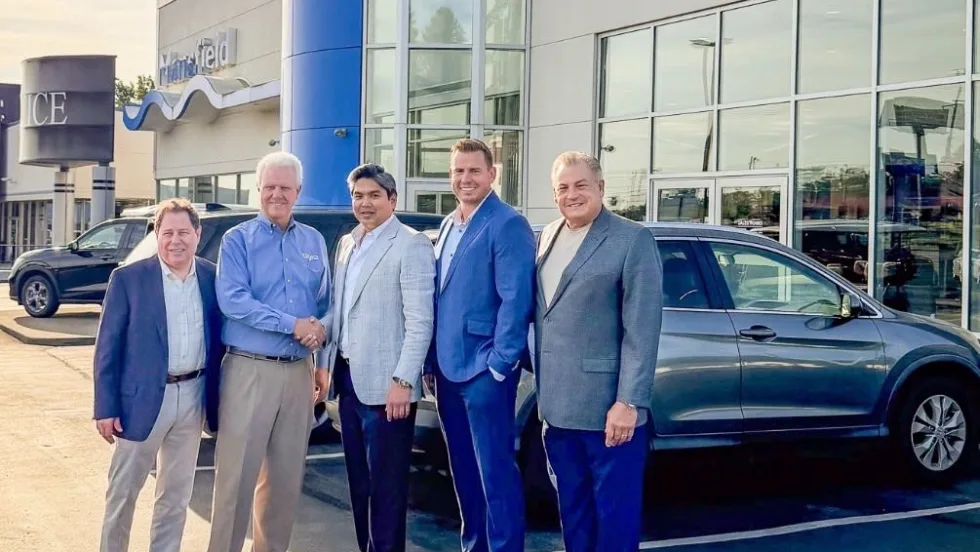
Ohio Auto Group Under New Ownership
After 79 years with the Schluter family, Mansfield Auto Group has been acquired by Missouri-based Clement Auto Group.
Read More →
RV Group Expands Carolina Footprint
Blue Compass RV Columbia Northeast is the 13th RV dealership owned by Blue Compass in the Carolinas.
Read More →
Agent Acumen
An Agent Summit panel of people who’ve been supporting auto dealers for years gave both timely and timeless advice for those starting out or mulling the prospect.
Read More →
Missed Maintenance Creates Opportunity
As families get back on the road and into daily school routines, service drives have an opportunity to capture customers who are behind on recommended vehicle maintenance.
Read More →