



Gen Y Overtakes Gen X in Car Buying, J.D. Power Says
WESTLAKE VILLAGE, Calif. — Gen Y consumers are now accounting for a larger percentage of U.S. new-vehicle retail sales than their older Gen X counterparts, according to an analysis by J.D. Power. Year to date in 2014, Gen Y (born 1977-1994) has accounted for 26% of new-vehicle retail sales, putting sales to that generational group ... Read More »

WESTLAKE VILLAGE, Calif. — Gen Y consumers are now accounting for a larger percentage of U.S. new-vehicle retail sales than their older Gen X counterparts, according to an analysis by J.D. Power.
Year to date in 2014, Gen Y (born 1977-1994) has accounted for 26% of new-vehicle retail sales, putting sales to that generational group ahead of those to Gen X (born 1965-1976) for the first time. Gen X buyers purchased 24% of new-vehicles in the same period, according to data collected by the Power Information Network (PIN) from J.D. Power.
Boomers (born 1946-1964) are still the largest group of buyers of new vehicles, accounting for 38% of new vehicles sold during the first half of the year.
In 2013, Boomers accounted for 39% of new-vehicle retail sales, followed by Gen X at 24% and Gen Y at 23%.
Gen Y sales volume is on pace to grow 16% for the full year 2014, compared with 2013, while Gen X sales volumes are expected to increase 6% during this time frame.
“As Gen Y consumers enter new life stages, earn higher incomes and grow their families, their ability and desire to acquire new vehicles is increasing,” said Thomas King, vice president of PIN. “As new-vehicle demand among Gen Y consumers increases, it will be important for automakers to respond to the needs of these consumers, not only in terms of the vehicle design, but also the marketing, sales and service experience.”
PIN data shows that Gen Y customers tend to favor smaller vehicles, with compact/small vehicle segments accounting for nearly half of all Gen Y purchases. Compact car is the most popular segment for Gen Y, with 20% of every vehicle sold to the group coming from this segment. In contrast, Gen X favors midsize vehicles. For Gen X, compact SUV is the most popular segment, accounting for 15% of sales to this generation.
More Industry

Penske Auto Group Deal a Record
The deal to take the dealership and transportation services company private sets a new pace for industry buy-sell transactions.
Read More →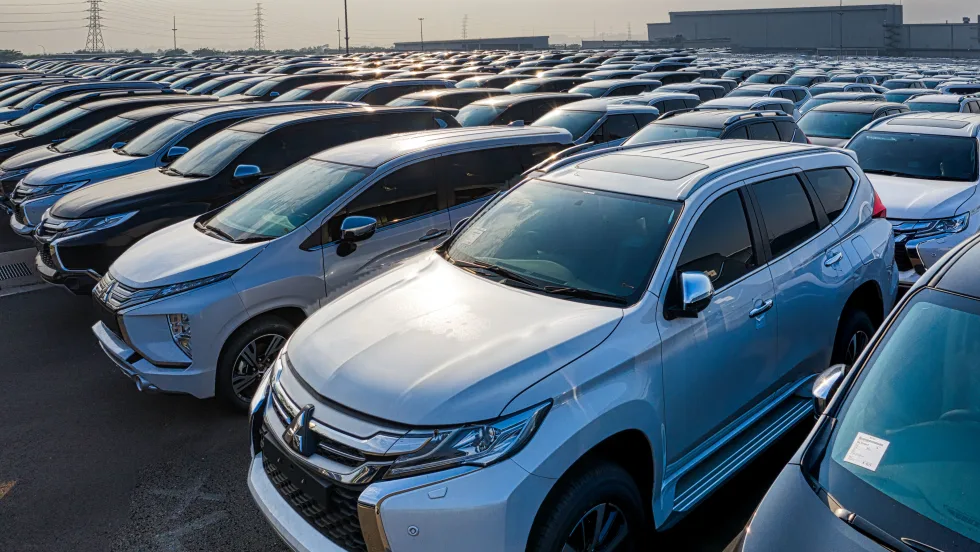
War Toll a Damper on Used Auto Prices
Cox Automotive found wholesale depreciation to be elevated in September amid high fuel prices and this year's unusual hurricane season.
Read More →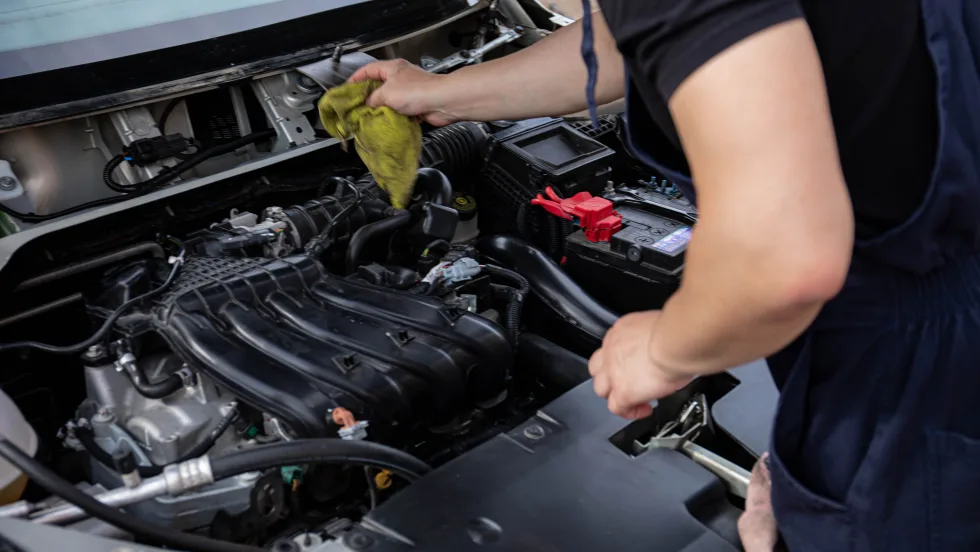
Bridge the Maintenance Gap
With many drivers missing recommended maintenance, service departments offering transparency and efficiency have a better chance of reaching financially strained consumers.
Read More →
California Store Has New Owner
The longtime dealership in the northern part of the state is known for robust fleet sales and has served the state capital for 115 years.
Read More →
BMW Plant Pursues Cleaner Energy
BMW Group Plant Leipzig has utilized hydrogen to help power its production since 2013, but a new pipeline is planned to take it to another level.
Read More →
Auto Affordability Inches Up
The latest Cox Automotive and Moody’s Analytics index shows a slight increase in new-vehicle affordability despite high prices.
Read More →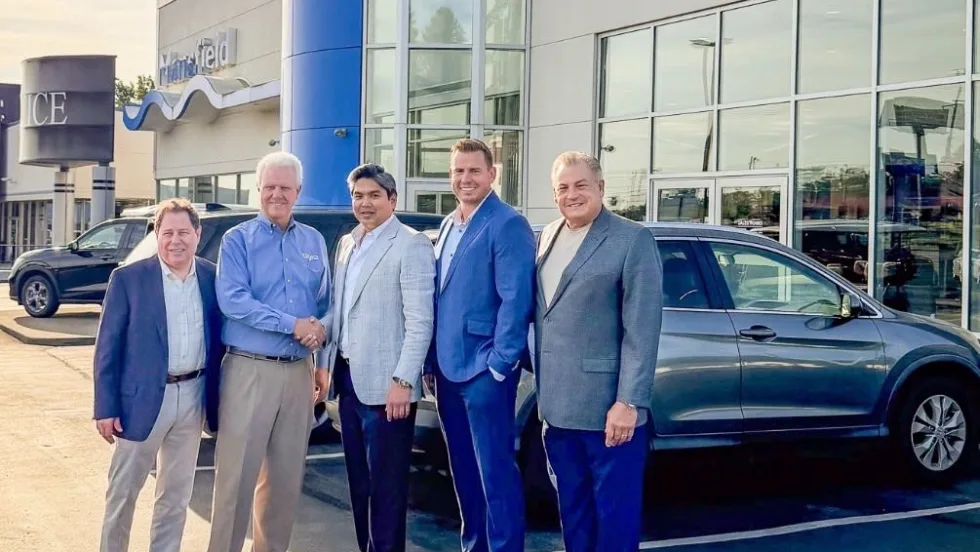
Ohio Auto Group Under New Ownership
After 79 years with the Schluter family, Mansfield Auto Group has been acquired by Missouri-based Clement Auto Group.
Read More →
RV Group Expands Carolina Footprint
Blue Compass RV Columbia Northeast is the 13th RV dealership owned by Blue Compass in the Carolinas.
Read More →
Agent Acumen
An Agent Summit panel of people who’ve been supporting auto dealers for years gave both timely and timeless advice for those starting out or mulling the prospect.
Read More →
Missed Maintenance Creates Opportunity
As families get back on the road and into daily school routines, service drives have an opportunity to capture customers who are behind on recommended vehicle maintenance.
Read More →