


Fresh Auto Consumer Loyalty Perspective
Retention picture changes across power trains, demographics and auto segments, study finds


Industrywide, 38% of auto consumers changing power trains stayed loyal to their previous brands.
Pexels/Brett Jordan
When U.S. auto consumers are in the market for a different power train than their current models, they’re more likely to switch brands for the change-up.
In fact, loyalty to power train type is significantly greater than brand loyalty, S&P Global Mobility says it found. Of households shopping for a new vehicle, 74% stick with the same power trains they’ve had, compared to 51% who stay with the same auto brands.
But consumers switching power trains tend to shop around: 62% of households doing so switched brands at the same time, according to S&P Mobility’s research. The automotive data provider observed the phenomenon among both households switching from gas-powered to alternative-fuel power trains and vice versa.
The pattern presents challenges and opportunities for auto dealers, the challenge of keeping customers in the fold, and the opportunity of winning over a competing brand’s loyalists. S&P says households tend to return to the auto market every 3½ years.
Of those, about half switch brands, it said. But among the three out of four who keep the same power train, 56% stay with the same auto brand they bought from the last time.
The research also found differences among consumer demographic groups and auto market segment.
Between July 2024 and this past June, more Asian households switched both brand and power train than those that changed brands but stuck with the same power trains, S&P said, while just 27% of black households that jumped to new brands also switched power trains.
Meanwhile, a similarly low 26% of luxury auto consumers changing power trains stayed loyal to their previous brands, compared to 38% industrywide and 41% for mainstream brands.
S&P advises auto brands to target their marketing to households open to power train switch-ups in an effort that can at the same time reveal those loyal to their current power trains and brands.
“The more granular your targeting, the more effective your strategy will be,” the report says.
Originally posted on F&I and Showroom
More Industry
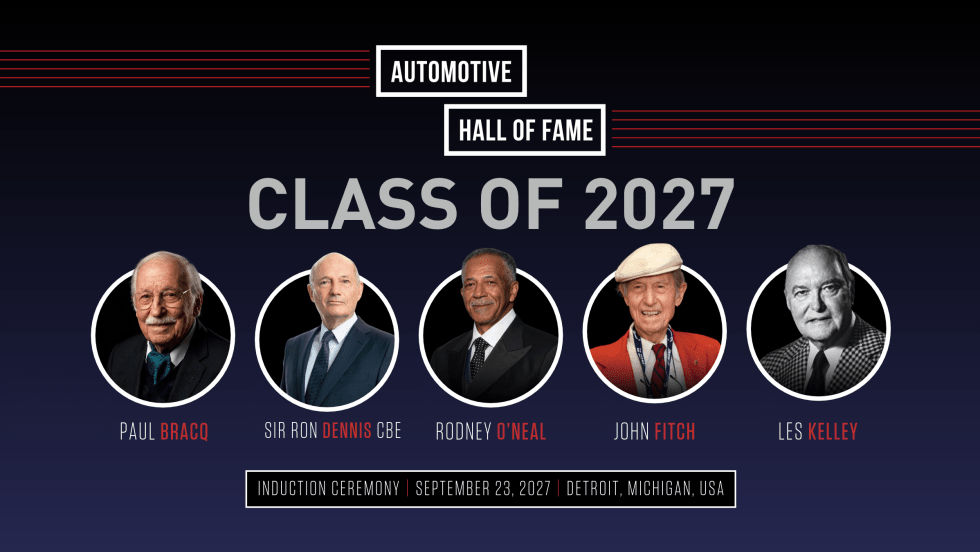
Auto Legends to Hall of Fame
Les Kelley of Kelley Blue Book fame and Rodney O’Neal, a transformative Delphi executive, are among a new class of five industry honorees.
Read More →
Powertrain Attitudes Divided
Common misconceptions shape car buyers’ attitudes toward the different options, giving dealerships an opportunity to educate and build trust with customers.
Read More →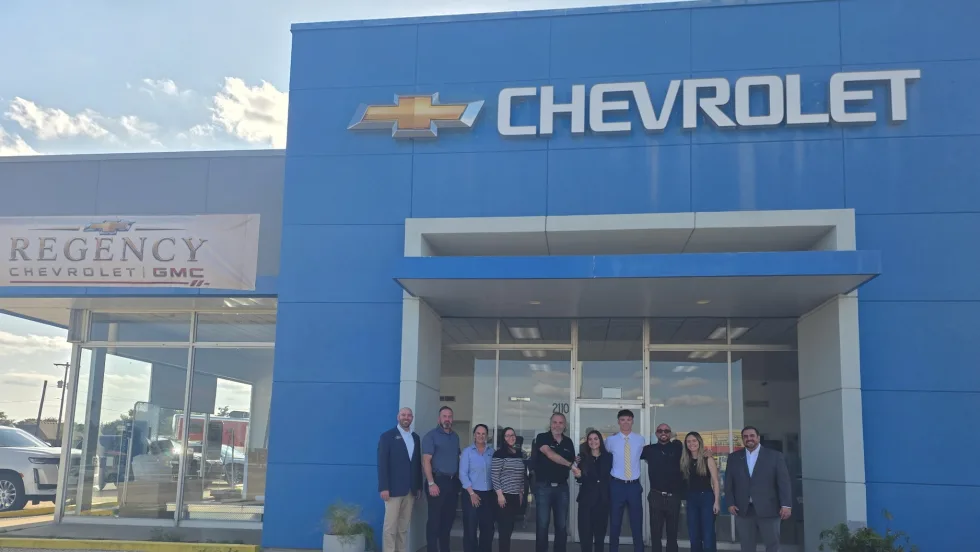
Auto Group Exits U.S. Market
Sibling duo Gesell and Johnny Lillard enter Texas franchised automotive retail with the purchase of Solana Motors in Brady, Texas.
Read More →
California Calling? What's Up With the State's New CARS Act?
Should auto dealers outside of California be concerned about its new price-transparency law? Yes, and you can guide them in the right direction.
Read More →
Tennessee Transaction Latest in Buy-Sell Flurry
Four stores move from a longtime local family business to one of the country’s biggest automotive groups as part of the industry’s continued consolidation.
Read More →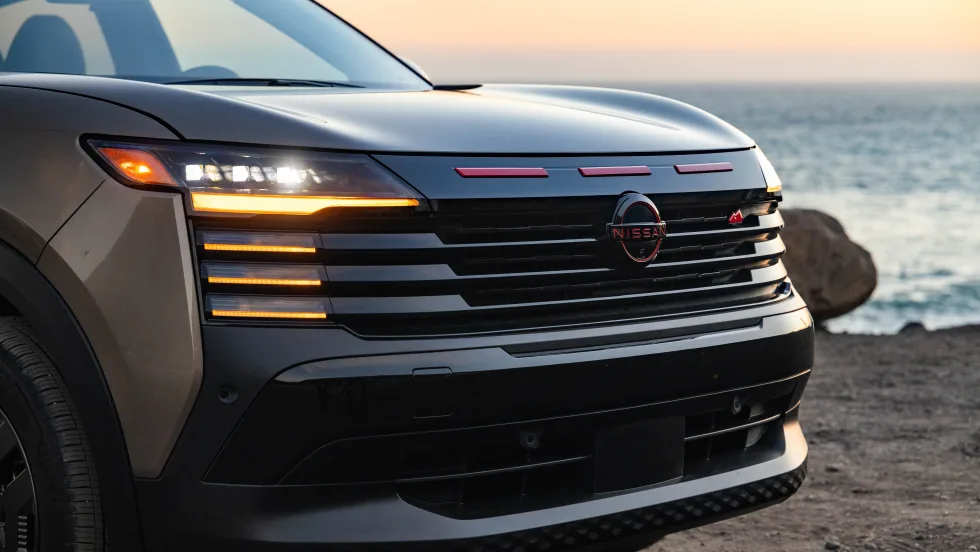
SUV Joins Safety Rankings
Thanks to a seat belt redesign, the Nissan Kicks has earned a Top Safety Pick award from the Insurance Institute for Highway Safety.
Read More →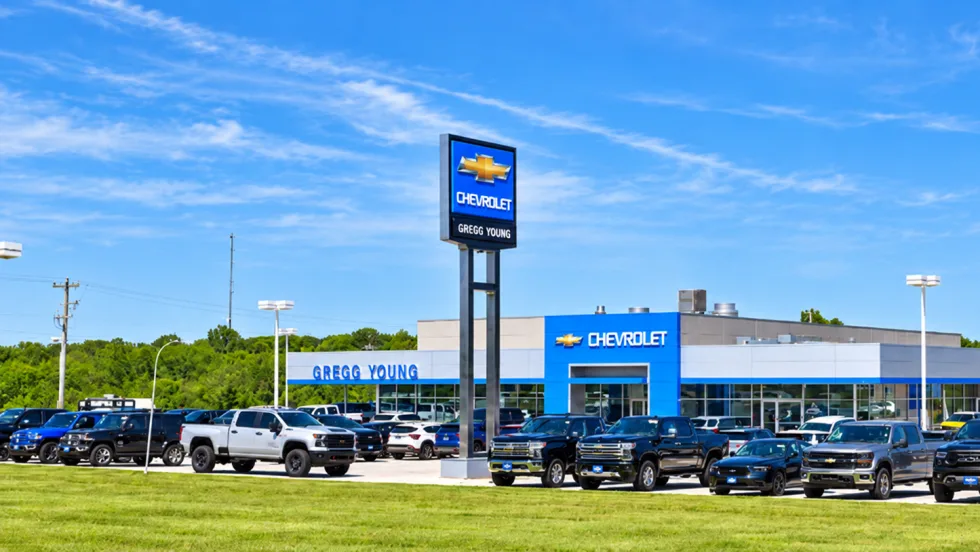
Nebraska Rooftop Changes Hands
The Gregg Young Automotive Group has sold its second dealership to Janssen Auto Group, both in Plattsmouth, Neb.
Read More →
Penske Auto Group Deal a Record
The deal to take the dealership and transportation services company private sets a new pace for industry buy-sell transactions.
Read More →
War Toll a Damper on Used Auto Prices
Cox Automotive found wholesale depreciation to be elevated in September amid high fuel prices and this year's unusual hurricane season.
Read More →
Bridge the Maintenance Gap
With many drivers missing recommended maintenance, service departments offering transparency and efficiency have a better chance of reaching financially strained consumers.
Read More →