



Ford Moves to Build More Components for EVs
Building more parts in-house rather than purchasing them from other suppliers makes financial sense and retains jobs, said CEO Jim Farley.

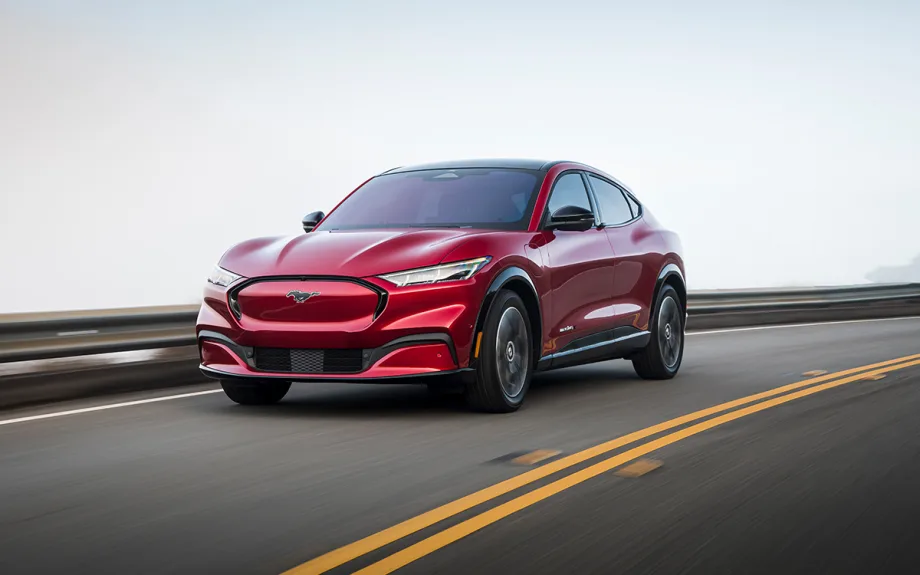
Building more parts in-house rather than purchasing them from other suppliers makes financial sense and retains jobs, said CEO Jim Farley.
IMAGE: Ford
Ford Motor Co. plans to build parts internally for its electric vehicles to offset the estimated 40% reduction in workers needed to build these vehicles, reported CEO Jim Farley.
Farley compared the strategy to the early days of auto manufacture when automakers made most components put in a vehicle. “We’re going back to where we were at the beginning of the century. Why? Because that’s where the value creation is. It’s a huge transformation,” Farley told reporters at an auto conference for the Rainbow Push Coalition.
Building more parts in-house rather than purchasing them from other suppliers makes financial sense and retains jobs, he said. The move, he added, will require Ford to build businesses for key components rather than acquire them.
The company purchased motors and batteries for the Mustang Mach-E crossover, but Farley said that in the future, that would not be necessary.
Ford is building two lithium-ion battery plants in central Kentucky as part of a joint venture with SK Innovation of South Korea. The venture is called BlueOvalSK. Ford also plans a 3,600-acre, $11.4 billion campus in west Tennessee.
Unionizing joint-venture battery plants will be up to workers of these plants, but Farley said Ford would be “thrilled” to have such representation. Currently, the United Auto Workers union is trying to organize a joint-venture battery plant between GM and LG Energy Solution in Ohio.
Originally posted on Auto Dealer Today
More Industry

Penske Auto Group Deal a Record
The deal to take the dealership and transportation services company private sets a new pace for industry buy-sell transactions.
Read More →
War Toll a Damper on Used Auto Prices
Cox Automotive found wholesale depreciation to be elevated in September amid high fuel prices and this year's unusual hurricane season.
Read More →
Bridge the Maintenance Gap
With many drivers missing recommended maintenance, service departments offering transparency and efficiency have a better chance of reaching financially strained consumers.
Read More →
California Store Has New Owner
The longtime dealership in the northern part of the state is known for robust fleet sales and has served the state capital for 115 years.
Read More →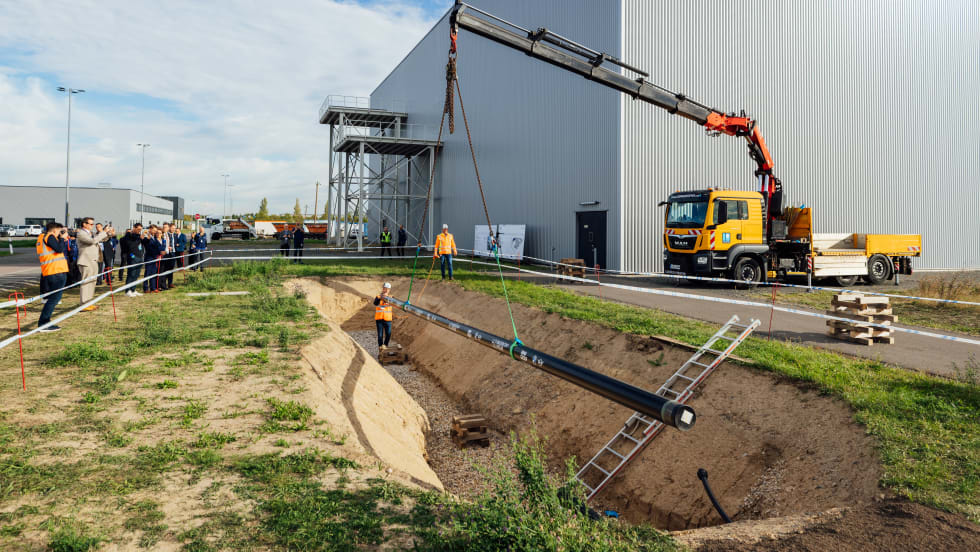
BMW Plant Pursues Cleaner Energy
BMW Group Plant Leipzig has utilized hydrogen to help power its production since 2013, but a new pipeline is planned to take it to another level.
Read More →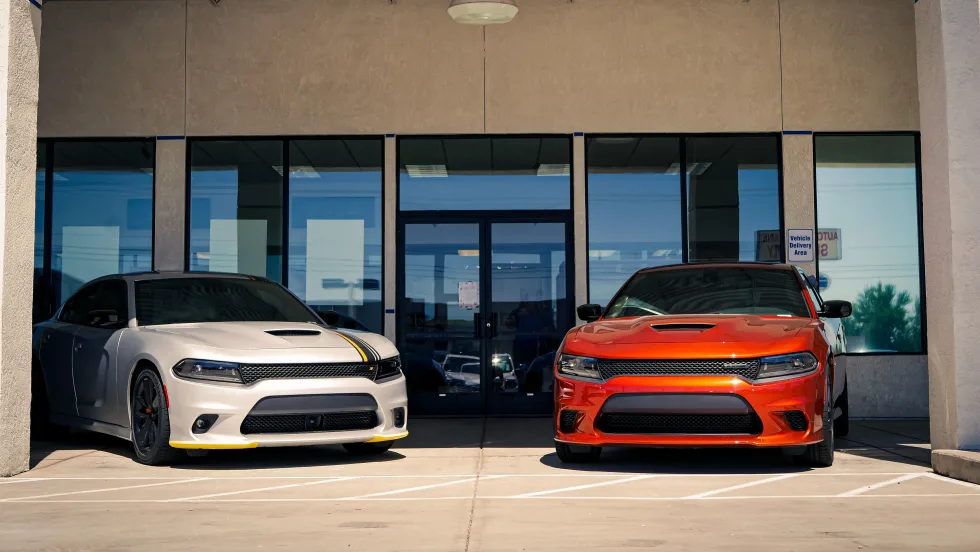
Auto Affordability Inches Up
The latest Cox Automotive and Moody’s Analytics index shows a slight increase in new-vehicle affordability despite high prices.
Read More →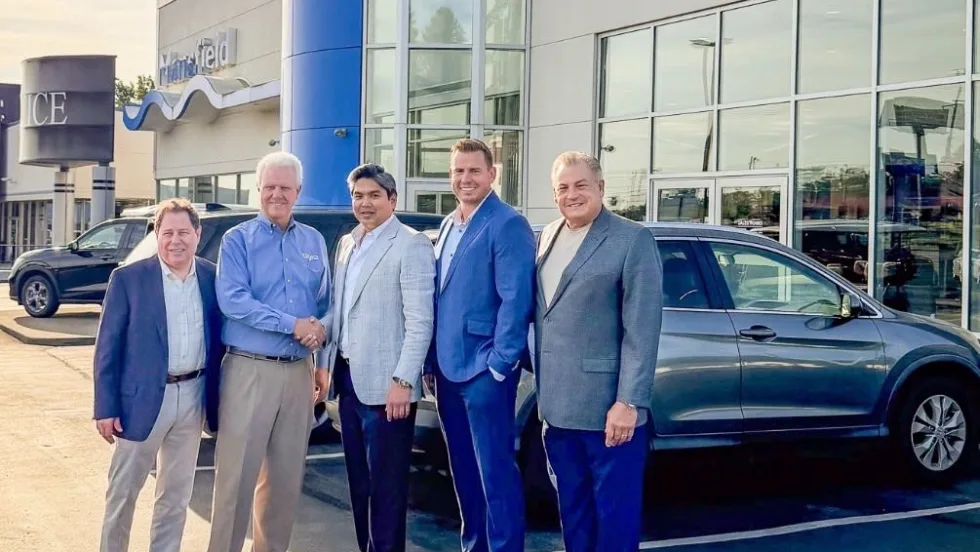
Ohio Auto Group Under New Ownership
After 79 years with the Schluter family, Mansfield Auto Group has been acquired by Missouri-based Clement Auto Group.
Read More →
RV Group Expands Carolina Footprint
Blue Compass RV Columbia Northeast is the 13th RV dealership owned by Blue Compass in the Carolinas.
Read More →
Agent Acumen
An Agent Summit panel of people who’ve been supporting auto dealers for years gave both timely and timeless advice for those starting out or mulling the prospect.
Read More →
Missed Maintenance Creates Opportunity
As families get back on the road and into daily school routines, service drives have an opportunity to capture customers who are behind on recommended vehicle maintenance.
Read More →