



Ford Asks Congress to Approve U.S.-Korea Free Trade Agreement

WASHINGTON - Ford Motor Co. called on Congress today to approve the U.S.-Korea Free Trade Agreement after the automaker won changes last month to the agreement.
Stephen Biegun, vice president for International Governmental Affairs at Ford, will tell the House Ways and Means Committee that "we at Ford have worked diligently over the past three years to reach a point where we could confidently say the U.S.-Korea FTA will help open, what has been to date, the most closed automotive market in the world, reported The Detroit News.
"As such, I am pleased to say, on behalf of Ford Motor Co., that we strongly encourage the Congress to approve this agreement. Under its authorities, the U.S. auto industry will have far greater opportunity to expand the export and sale of American-made vehicles in Korea," according to a copy of his written testimony.
Ford CEO Alan Mulally personally was involved in the talks that led up to the governments reaching a deal on changes — and also won the support of United Auto Workers President Bob King.
"We were fortunate to have several strong partners in helping us bring the Korea FTA to this point. In addition to Chrysler and General Motors, we were able to work in partnership with the United Auto Workers to chart a course in which all could support the final outcome. I cannot recall another trade agreement, certainly not in the recent past, which generated bipartisan support as well as the backing of industry and organized labor," Biegun testified.
South Korea is an important automotive market with annual sales of almost 1.5 million, Biegun said, noting the Dearborn automaker has been selling there since 1995, selling both the Ford and Lincoln brands. The majority of the 4,000 vehicles sold by Ford in South Korea are built in the United States. The No. 1 selling vehicle in South Korea is the Ford Taurus built at the Chicago Assembly Plant. Ford also sells the Ford Explorer, Escape, Mustang and several Lincoln models.
Biegun noted that the U.S. automotive industry is a leading sector of American exports. Over the past five years, the export of automobiles and auto parts constituted nearly 9 percent of total merchandise exports. In 2009, Ford produced over 270,000 vehicles in the United States for export markets around the globe.
Ford opposed the 2007 Korea Free Trade Agreement reached by the Bush administration, which never submitted it to Congress for ratification.
"That agreement essentially locked out American-made vehicles from South Korea. However, the revised U.S.-Korea Free Trade Agreement that will soon come before the Congress provides greater clarity and transparency by affirmatively addressing the issues surrounding non-tariff and tariff barriers," Biegun said.
Ford said the new deal "delivers significant improvements in passenger car tariff phase outs, keeping the 2.5 percent U.S. tariff in place until the fifth year. At the same time, Korea will immediately cut its tariff on U.S. auto imports in half (from 8 percent to 4 percent), and fully eliminate that tariff in the fifth year. "It also protects U.S. automakers.
It "allows the United States to maintain its 25 percent truck tariff until the eighth year and then phase it out by the 10th year while Korea eliminates its 10 percent tariff on U.S. trucks immediately. Additionally, Korea will immediately reduce its electric car tariffs from 8 percent to 4 percent, and both countries will then phase out their tariffs by the fifth year."Another big issue was non-financial barriers to entry. The deal "moves to address automotive safety standards that have historically acted as a non-tariff barrier to U.S. auto exports. It allows for 25,000 cars per U.S. automaker to be imported into Korea provided they meet U.S. federal safety standards, which are among the most stringent in the world."House Ways and Means Committee chairman Dave Camp, R-Midland, is holding a hearing on the trade deals that were reached today with Colombia, Panama, and South Korea. The committee — which until January was controlled by Democrats "has not held a hearing on any of the three completed trade agreements," Camp said.
The U.S. International Trade Commission has estimated that the three pending trade agreements, combined, would increase U.S. exports by at least $13 billion, Camp said.
"Trade agreements are a sure-fire way to support U.S. jobs and boost economic growth by creating new markets for U.S. goods and services, particularly at a time when unemployment is nearly 10 percent. The United States cannot afford to sit on the sidelines while the rest of the world is actively concluding new trade agreements that leave us out," Camp said.
"The first step to getting back on the field is passing these trade agreements. It is time for the President to submit the three pending trade agreements to Congress for their consideration within six months."
Camp noted Colombia has reached trade deals with others and noted that some have argued that sustained progress to address violence against workers in Colombia and concerns about Colombian labor law must occur before it is appropriate to consider the agreement.
However, supporters of the agreement argue that passing the agreement will improve labor protections and express frustration the administration has not identified concrete steps for Colombia to take to address concerns. Earlier this month, Rep. Sander Levin, D-Royal Oak, the former committee chairman who is now the top Democrat on the panel, traveled to Colombia.
More Industry

Penske Auto Group Deal a Record
The deal to take the dealership and transportation services company private sets a new pace for industry buy-sell transactions.
Read More →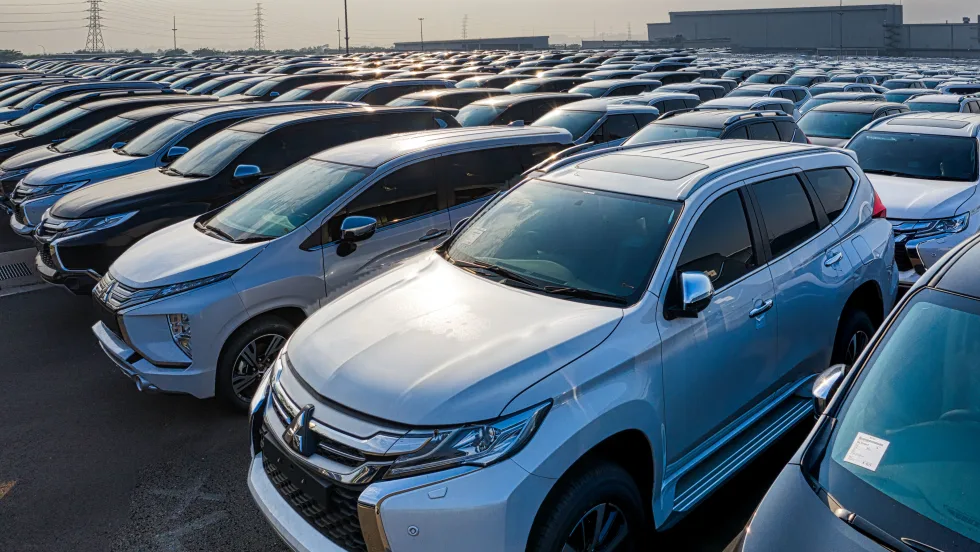
War Toll a Damper on Used Auto Prices
Cox Automotive found wholesale depreciation to be elevated in September amid high fuel prices and this year's unusual hurricane season.
Read More →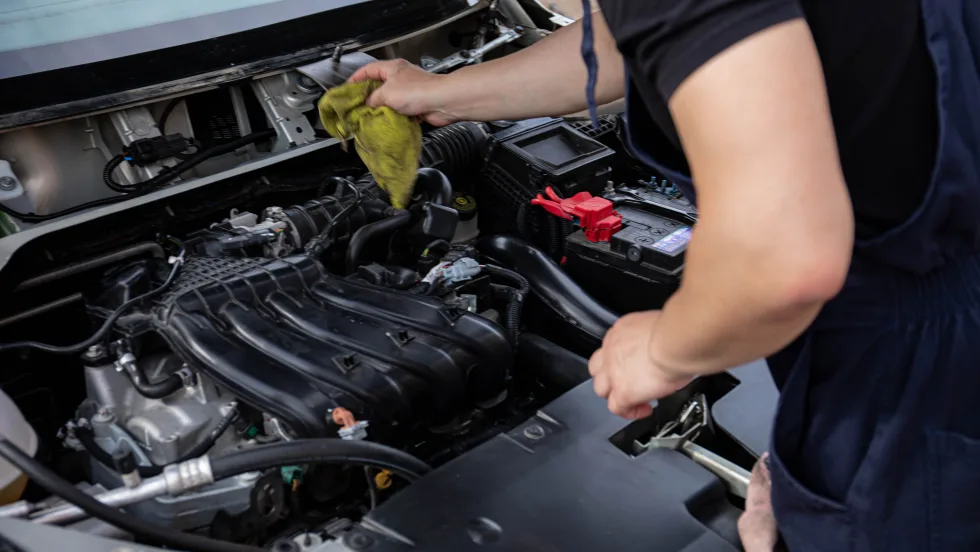
Bridge the Maintenance Gap
With many drivers missing recommended maintenance, service departments offering transparency and efficiency have a better chance of reaching financially strained consumers.
Read More →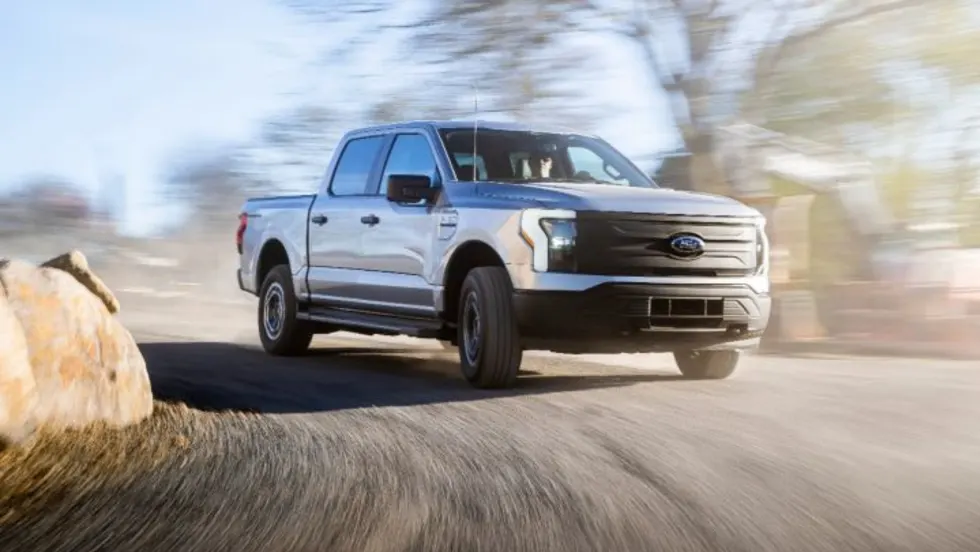
California Store Has New Owner
The longtime dealership in the northern part of the state is known for robust fleet sales and has served the state capital for 115 years.
Read More →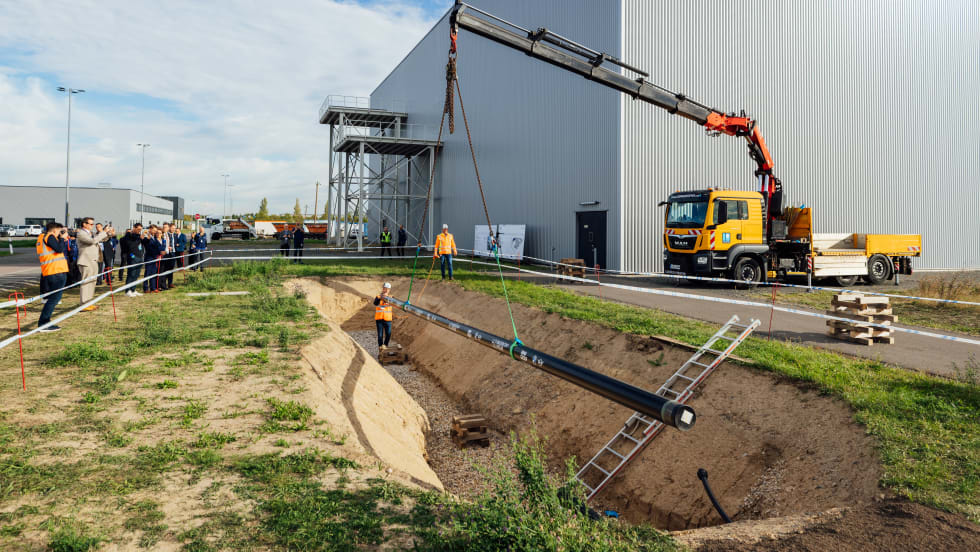
BMW Plant Pursues Cleaner Energy
BMW Group Plant Leipzig has utilized hydrogen to help power its production since 2013, but a new pipeline is planned to take it to another level.
Read More →
Auto Affordability Inches Up
The latest Cox Automotive and Moody’s Analytics index shows a slight increase in new-vehicle affordability despite high prices.
Read More →
Ohio Auto Group Under New Ownership
After 79 years with the Schluter family, Mansfield Auto Group has been acquired by Missouri-based Clement Auto Group.
Read More →
RV Group Expands Carolina Footprint
Blue Compass RV Columbia Northeast is the 13th RV dealership owned by Blue Compass in the Carolinas.
Read More →
Agent Acumen
An Agent Summit panel of people who’ve been supporting auto dealers for years gave both timely and timeless advice for those starting out or mulling the prospect.
Read More →
Missed Maintenance Creates Opportunity
As families get back on the road and into daily school routines, service drives have an opportunity to capture customers who are behind on recommended vehicle maintenance.
Read More →