



EVs Still in the Running
Consumer interest hasn’t waned despite growing obstacles.

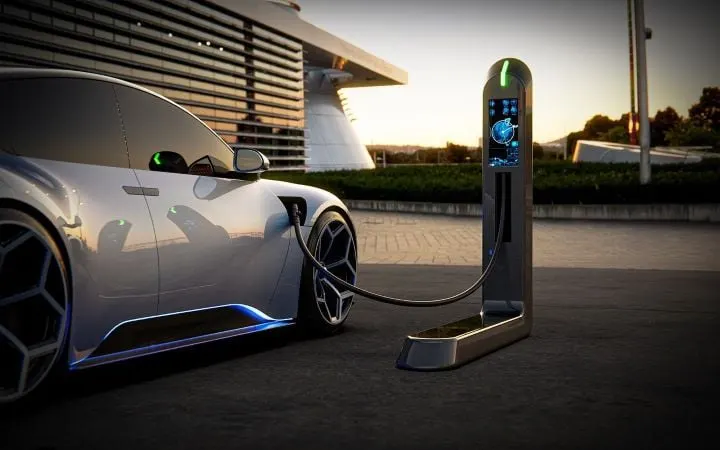
Concerns about inadequate public chargers continue to impede EV adoption, the research found.
Pixabay/LeeRosario
Demand for purely electric vehicles appears to be steady despite new and lingering challenges to adoption.
The fifth annual J.D. Power survey found stable interest among consumers in the market to buy or lease a new ride in the next 12 months.
Though the Republican-dominated federal government is targeting Biden-era electric-vehicle purchase incentives and infrastructure and manufacturing development, interest in EVs has stayed the same as a year ago, with 24% of consumers very likely to consider electric.
J.D. Power advises the auto industry to do more to tap the interest.
“… the industry needs to have products that meet consumer needs and wants at prices that are affordable,” said executive director of its EV practice, Brent Gruber. “Additionally, the industry should better educate consumers about EV ownership to ease concerns—many of which, such as those related to public charging, are less problematic than they might seem when it comes to actually owning an EV.”
Another 35% of survey respondents said they’re somewhat likely to buy an EV, also the same as last year.
The enduring adoption obstacle continued to be public charger availability, while purchase price and ownership cost concerns diminished slightly, the survey found.
Still, EV prices negatively affect adoption. Those most open to buying EVs, consumers 25 to 49, are least likely to be able to afford to, the survey found. Just 17% in that age range have annual incomes exceeding six figures. But the industry has made headway in meeting that demand.
“Much of the recent growth in the EV space has been fueled by products from mass market brands, which demonstrates the pent-up demand for more affordable products,” Gruber said.
In general, consumers who consider EVs tend to shop around. Those very likely to buy one kick an average of three brands’ EV tires, about the same as those somewhat likely to buy electric, J.D. Power said.
“As more EV options come to market, this should serve as an encouraging sign for automakers because it’s an opportunity for them to gain a foothold and pull shoppers from outside their brands,” Gruber said. “This year’s study results also show that EV shoppers consider products from mass market and premium brands alike, highlighting the opportunity to capture consumer interest with brands or products that shoppers may not have otherwise considered.”
The survey drew more than 8,100 responses from January through April.
More Industry

Penske Auto Group Deal a Record
The deal to take the dealership and transportation services company private sets a new pace for industry buy-sell transactions.
Read More →
War Toll a Damper on Used Auto Prices
Cox Automotive found wholesale depreciation to be elevated in September amid high fuel prices and this year's unusual hurricane season.
Read More →
Bridge the Maintenance Gap
With many drivers missing recommended maintenance, service departments offering transparency and efficiency have a better chance of reaching financially strained consumers.
Read More →
California Store Has New Owner
The longtime dealership in the northern part of the state is known for robust fleet sales and has served the state capital for 115 years.
Read More →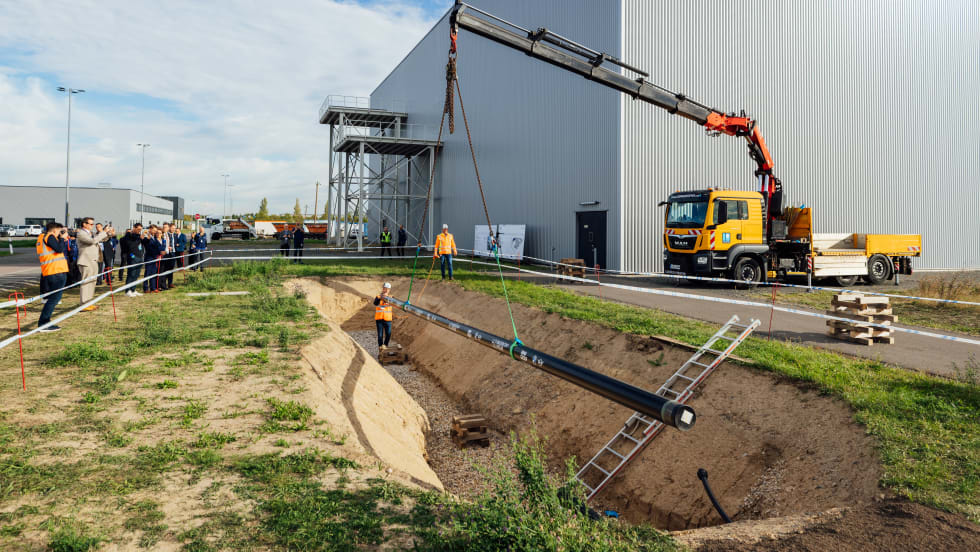
BMW Plant Pursues Cleaner Energy
BMW Group Plant Leipzig has utilized hydrogen to help power its production since 2013, but a new pipeline is planned to take it to another level.
Read More →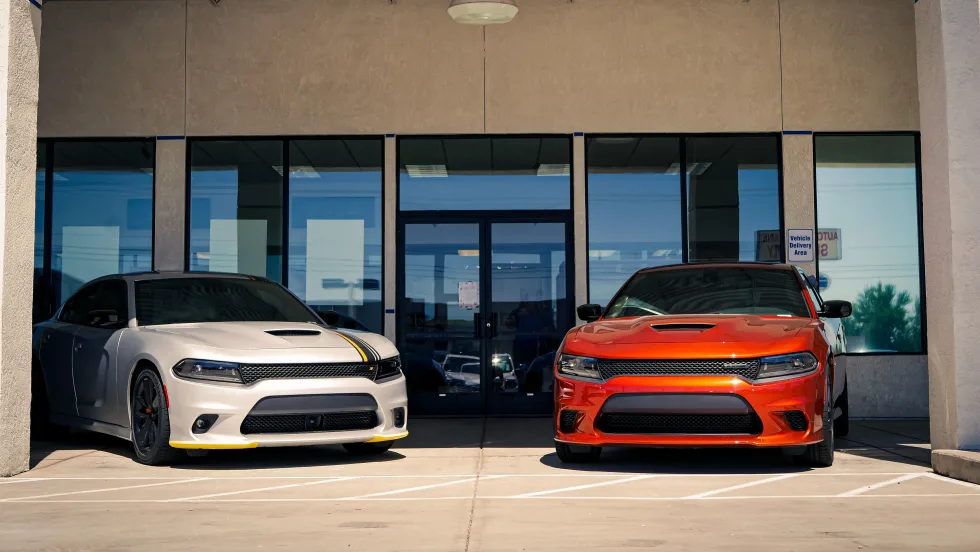
Auto Affordability Inches Up
The latest Cox Automotive and Moody’s Analytics index shows a slight increase in new-vehicle affordability despite high prices.
Read More →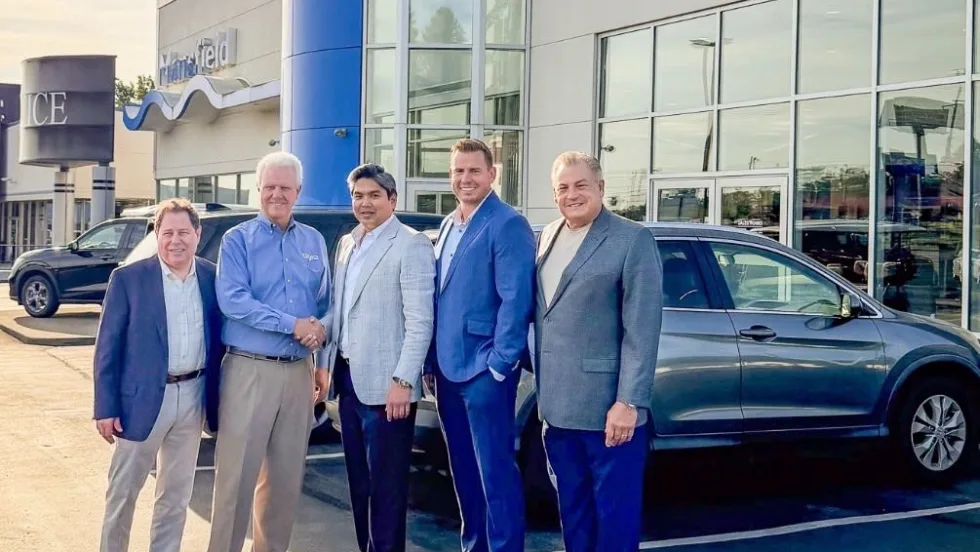
Ohio Auto Group Under New Ownership
After 79 years with the Schluter family, Mansfield Auto Group has been acquired by Missouri-based Clement Auto Group.
Read More →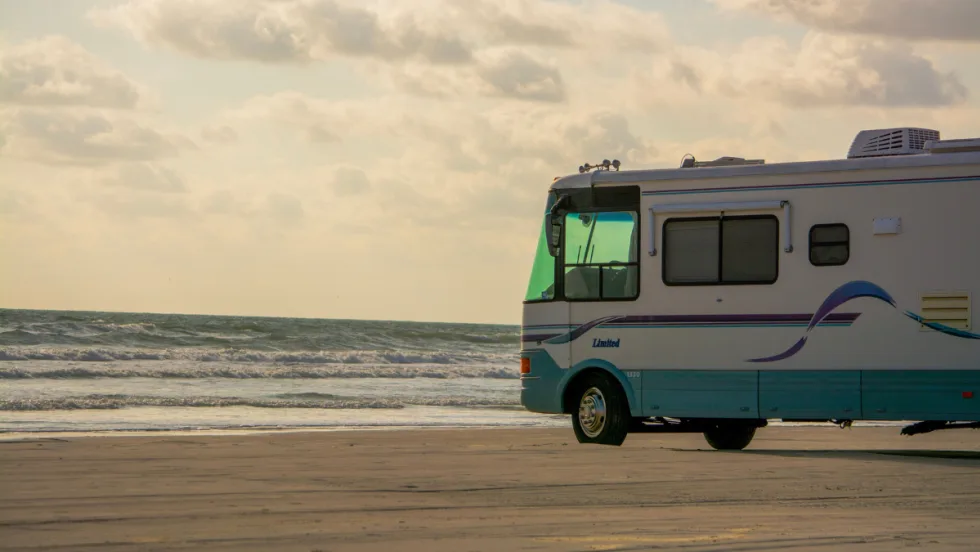
RV Group Expands Carolina Footprint
Blue Compass RV Columbia Northeast is the 13th RV dealership owned by Blue Compass in the Carolinas.
Read More →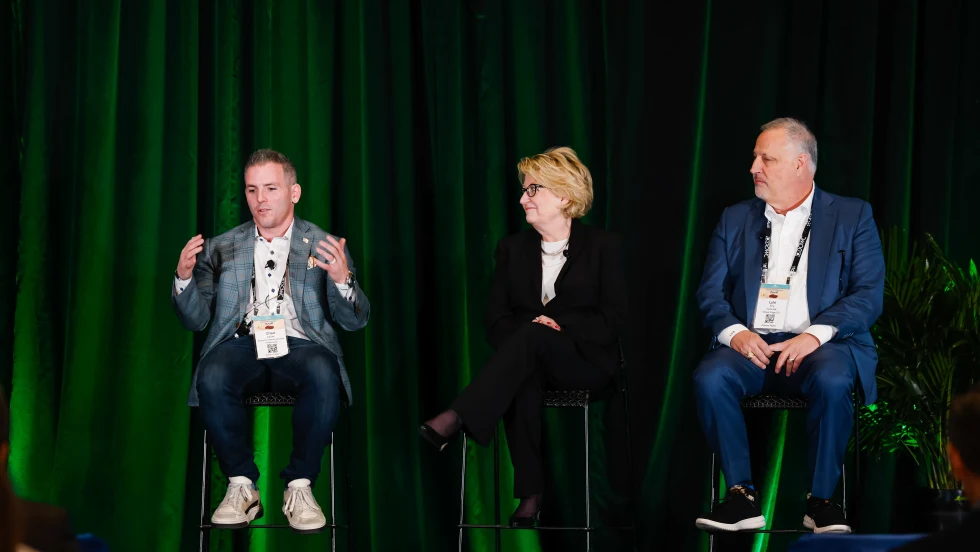
Agent Acumen
An Agent Summit panel of people who’ve been supporting auto dealers for years gave both timely and timeless advice for those starting out or mulling the prospect.
Read More →
Missed Maintenance Creates Opportunity
As families get back on the road and into daily school routines, service drives have an opportunity to capture customers who are behind on recommended vehicle maintenance.
Read More →