



EV Picture Coming into Focus?
New studies show mixed results and adoption forecasts.
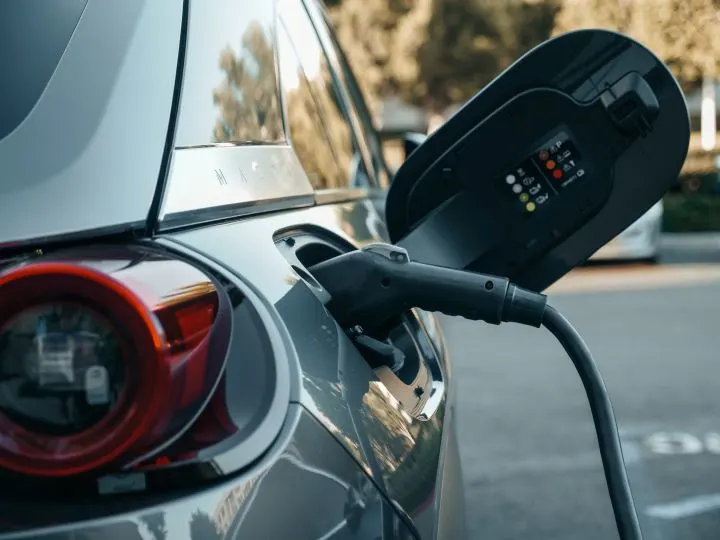
Two studies put U.S. EV adoption at 8% of new-vehicle sales, though that's down from peak levels.
Pexels/Kindel Media
Multiple electric-vehicle reports released this week give a mixed picture of adoption patterns.
One thing is clear: Buyers now have options if they choose to switch to electric, so it will be telling how adoption unfolds from this point.
J.D. Power pointed out that since multiple mainstream EV launches and trim expansions in the past couple of months, most premium and mass-market consumers now have EV options in their price points. It also pointed out that prices have fallen to their lowest levels so far, the average total cost of ownership for a premium EV dropping to $62,600 in May and to $58,100 for mass-market shoppers. In fact, many EVs are now more in reach than comparable gas-powered models, it said.
When polled, about 60% of consumers in the market for a new vehicle in the next 12 months said they’re very or somewhat likely to consider an EV, up about one percentage point month-over-month though down from peak levels seen in the fourth quarter. Actual EV adoption rates have plateaued at a little over 8% since March, J.D. Power said.
“Consumer response to these changing market dynamics during the next several months will be a key indicator of future EV demand,” J.D. Power said.
In the second quarter, U.S. EV sales jumped 11% year-over-year to more than 330,000 units and 8% of new-vehicle deliveries, according to Cox Automotive, which called that a record that came despite 6% lower Tesla deliveries. Along with more model choice, it credits greater discounts and increased leases.
“This increased competition is leading to continued price pressure, gradually boosting EV adoption,” said Cox Industry Insights Director Stephanie Valdez.
The quarterly results may reflect enough sustained growth to point to mass-market adoption. A study released by startup Recurrent and based on Boston Consulting Group and International Energy Agency projections estimates that EVs will reach 50% market share in the U.S. by 2030.
Recurrent, which provides battery reports for used EVs, anticipates used EV sales growth triggered by a coming wave of off-lease vehicles in the first quarter of 2026.
Meanwhile, worldwide EV sales growth slowed last year, according to a report by Munich-based management consultancy Roland Berger. Global EV deliveries grew 33%, down sharply from the more than 100% bump in 2022. The average EV share of new-vehicle registrations rose 20% - up from 14% the previous year - but fell in some established markets, such as Germany and South Korea.
The study blamed inflation, high electricity prices and curbed subsidies as governments focus more on building charging infrastructure, the lack of which curtails adoption.
LEARN MORE: Final Fuel-Economy Rule Sets Lower Bar
Originally posted on Auto Dealer Today
More Industry

Penske Auto Group Deal a Record
The deal to take the dealership and transportation services company private sets a new pace for industry buy-sell transactions.
Read More →
War Toll a Damper on Used Auto Prices
Cox Automotive found wholesale depreciation to be elevated in September amid high fuel prices and this year's unusual hurricane season.
Read More →
Bridge the Maintenance Gap
With many drivers missing recommended maintenance, service departments offering transparency and efficiency have a better chance of reaching financially strained consumers.
Read More →
California Store Has New Owner
The longtime dealership in the northern part of the state is known for robust fleet sales and has served the state capital for 115 years.
Read More →
BMW Plant Pursues Cleaner Energy
BMW Group Plant Leipzig has utilized hydrogen to help power its production since 2013, but a new pipeline is planned to take it to another level.
Read More →
Auto Affordability Inches Up
The latest Cox Automotive and Moody’s Analytics index shows a slight increase in new-vehicle affordability despite high prices.
Read More →
Ohio Auto Group Under New Ownership
After 79 years with the Schluter family, Mansfield Auto Group has been acquired by Missouri-based Clement Auto Group.
Read More →
RV Group Expands Carolina Footprint
Blue Compass RV Columbia Northeast is the 13th RV dealership owned by Blue Compass in the Carolinas.
Read More →
Agent Acumen
An Agent Summit panel of people who’ve been supporting auto dealers for years gave both timely and timeless advice for those starting out or mulling the prospect.
Read More →
Missed Maintenance Creates Opportunity
As families get back on the road and into daily school routines, service drives have an opportunity to capture customers who are behind on recommended vehicle maintenance.
Read More →