



DOT Launches Largest-Ever Road Test of Connected Vehicle Crash Avoidance Technology

ANN ARBOR, Mich. – Nearly 3,000 cars, trucks and buses equipped with “connected” Wi-Fi technology to enable vehicles and infrastructure to “talk” to each other in real time to help avoid crashes and improve traffic flow will begin traversing Ann Arbor’s streets as part of a year-long safety pilot project by the U.S. Department of Transportation. U.S. Transportation Secretary Ray LaHood joined elected officials and industry and community leaders on the University of Michigan campus to launch the second phase of the Safety Pilot, the largest road test to date of connected vehicle crash avoidance technology.
“Today is a big moment for automotive safety,” said Secretary LaHood. “This cutting-edge technology offers real promise for improving both the safety and efficiency of our roads. That is a winning combination for drivers across America.”
Conducted by University of Michigan’s Transportation Research Institute (UMTRI), the road test, or model deployment, is a first-of-its-kind test of connected vehicle technology in the real world. The test cars, trucks and buses, most of which have been supplied by volunteer participants, are equipped with vehicle-to-vehicle (V2V) and vehicle-to-infrastructure (V2I) communication devices that will gather extensive data about system operability and its effectiveness at reducing crashes.
According to DOT’s National Highway Traffic Safety Administration (NHTSA), V2V safety technology could help drivers avoid or reduce the severity of four out of five unimpaired vehicle crashes. To accomplish this, the model deployment vehicles will send electronic data messages, receive messages from other equipped vehicles, and translate the data into a warning to the driver during specific hazardous traffic scenarios. Such hazards include an impending collision at a blind intersection, a vehicle changing lanes in another vehicle’s blind spot, or a rear collision with a vehicle stopped ahead, among others.
“Vehicle-to-vehicle communication has the potential to be the ultimate game-changer in roadway safety – but we need to understand how to apply the technology in an effective way in the real world,” said NHTSA Administrator David Strickland. “NHTSA will use the valuable data from the ‘model deployment’ as it decides if and when these connected vehicle safety technologies should be incorporated into the fleet.”
The model deployment is the second phase of DOT’s connected vehicle Safety Pilot, a major research initiative managed by NHTSA and the Research and Innovative Technologies Administration (RITA) Intelligent Transportation Systems Joint Program Office. Earlier this year, DOT released data from a series of “driver acceptance clinics” conducted during the first phase of the Safety Pilot. The study revealed that an overwhelming majority of drivers (9 out of 10) who have experienced V2V technology have a highly favorable opinion of its safety benefits and would like to have V2V safety features on their personal vehicle.
“Many significant advances in roadway safety resulted from the collaborations between government, industry and academia,” said Gregory D. Winfree, RITA Deputy Administrator. “The deployment today is the culmination of years of cooperative research on forward-thinking technology designed to save lives and prevent injuries on America’s roads.”
The information collected from both phases of the Safety Pilot, and other key research projects, will be used by NHTSA to determine by 2013 whether to proceed with additional activities involving connected vehicle technology, including possible rulemaking.
More Industry

Penske Auto Group Deal a Record
The deal to take the dealership and transportation services company private sets a new pace for industry buy-sell transactions.
Read More →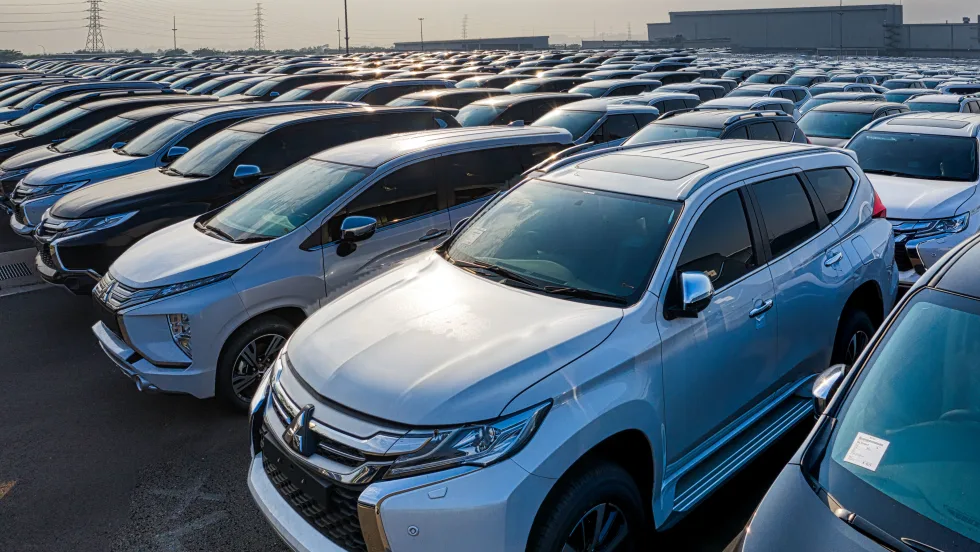
War Toll a Damper on Used Auto Prices
Cox Automotive found wholesale depreciation to be elevated in September amid high fuel prices and this year's unusual hurricane season.
Read More →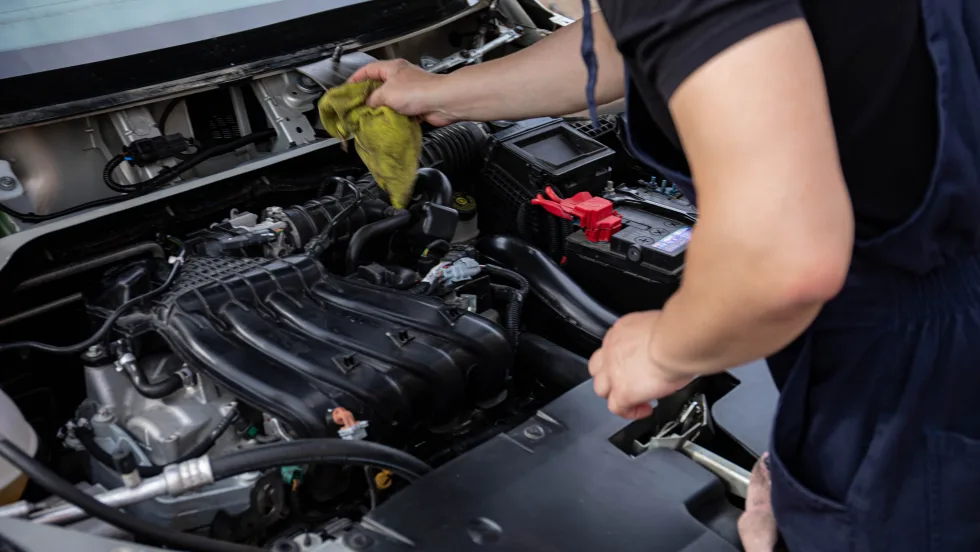
Bridge the Maintenance Gap
With many drivers missing recommended maintenance, service departments offering transparency and efficiency have a better chance of reaching financially strained consumers.
Read More →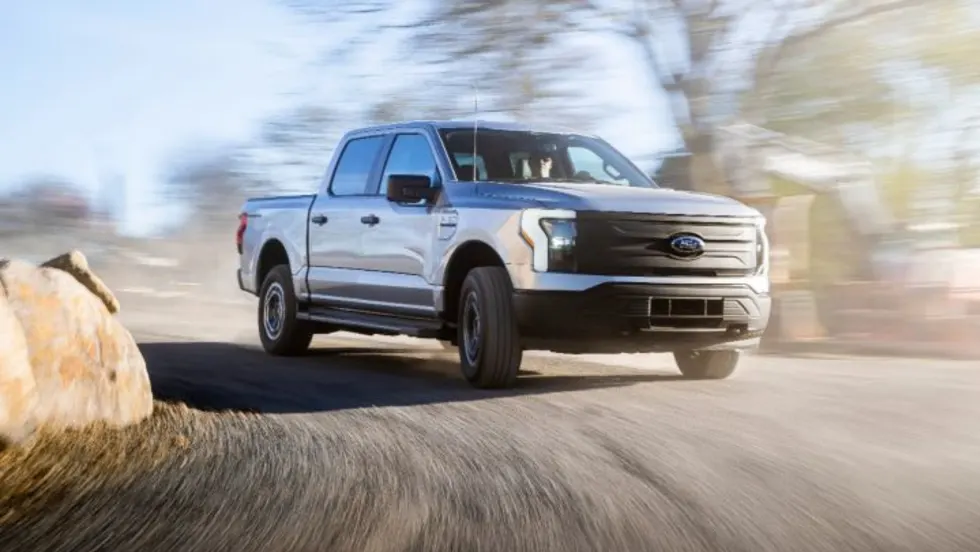
California Store Has New Owner
The longtime dealership in the northern part of the state is known for robust fleet sales and has served the state capital for 115 years.
Read More →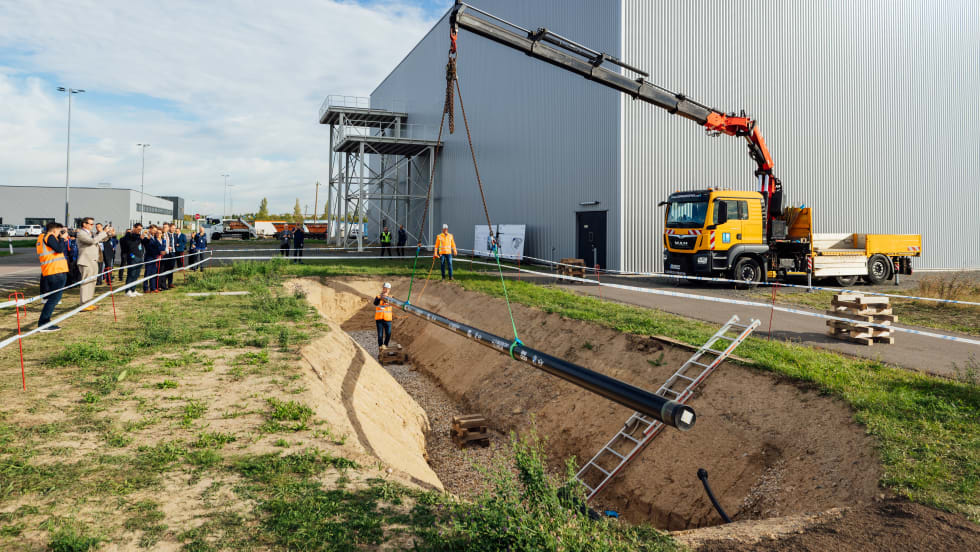
BMW Plant Pursues Cleaner Energy
BMW Group Plant Leipzig has utilized hydrogen to help power its production since 2013, but a new pipeline is planned to take it to another level.
Read More →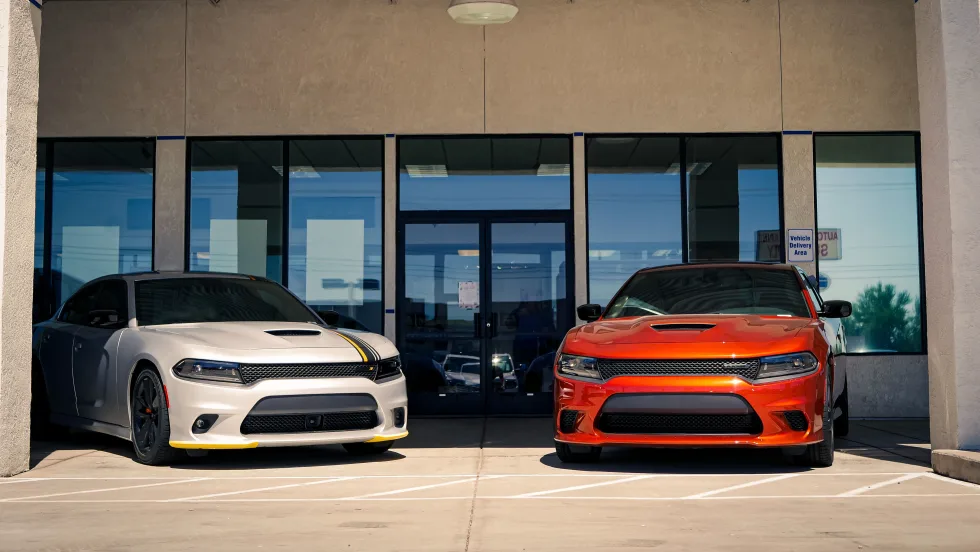
Auto Affordability Inches Up
The latest Cox Automotive and Moody’s Analytics index shows a slight increase in new-vehicle affordability despite high prices.
Read More →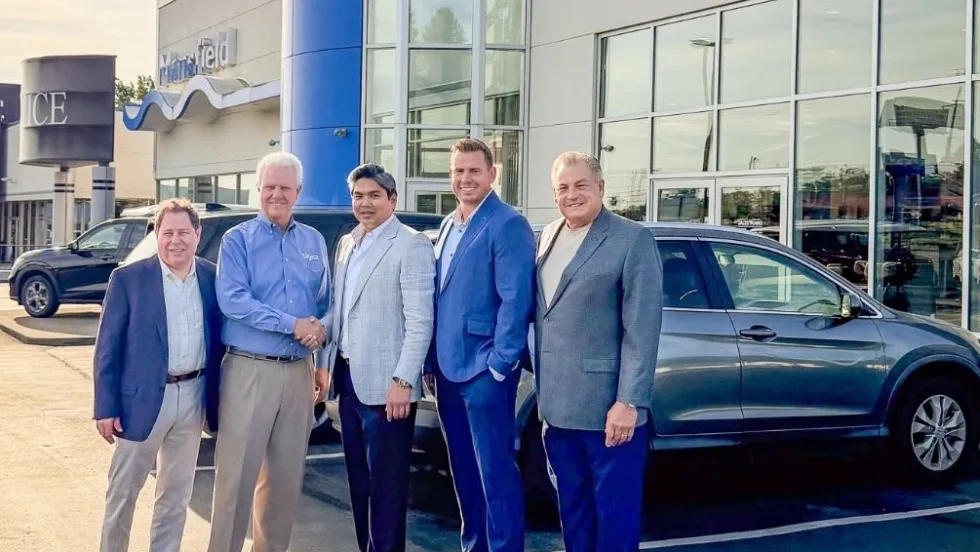
Ohio Auto Group Under New Ownership
After 79 years with the Schluter family, Mansfield Auto Group has been acquired by Missouri-based Clement Auto Group.
Read More →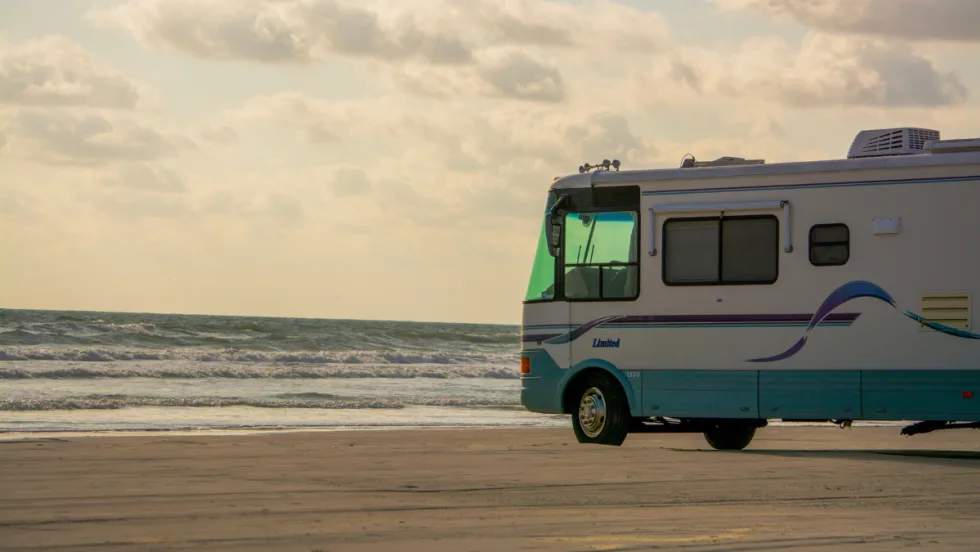
RV Group Expands Carolina Footprint
Blue Compass RV Columbia Northeast is the 13th RV dealership owned by Blue Compass in the Carolinas.
Read More →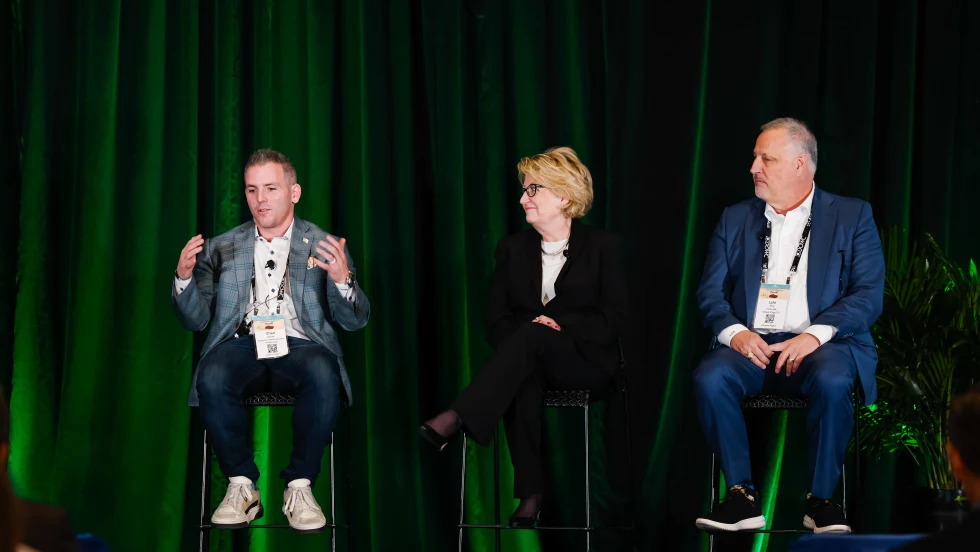
Agent Acumen
An Agent Summit panel of people who’ve been supporting auto dealers for years gave both timely and timeless advice for those starting out or mulling the prospect.
Read More →
Missed Maintenance Creates Opportunity
As families get back on the road and into daily school routines, service drives have an opportunity to capture customers who are behind on recommended vehicle maintenance.
Read More →