



Data Shows 10 Recent Crash Deaths Involved Automated Driving Tech
All of the crashes involved Tesla-made vehicles.

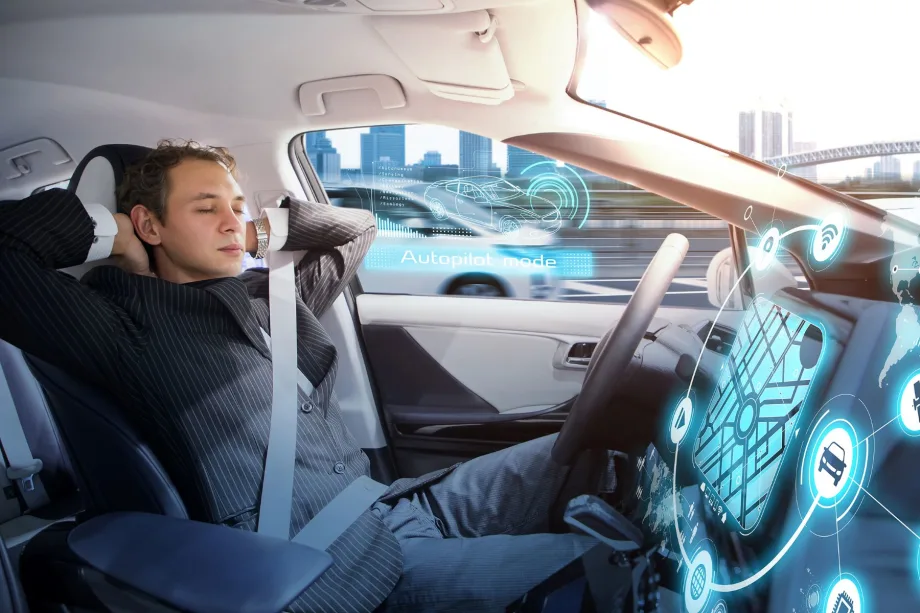
Tesla gets crash data in real time via telematics, while other carmakers don't, so its data could be elevated in the government numbers.
IMAGE: Getty Images/metamorworks
Ten deaths occurred in U.S. car crashes involving vehicles employing automated driving technology this past spring and summer, according to data released by the National Highway Traffic Safety Administration.
The deaths involved Tesla-made vehicles.
NHTSA’s data didn’t indicate whether the technology led to the crashes or driver error.
The agency is building a database of such fatal accidents to study the automated systems’ safety. Since June 2021, it’s required automotive and technology manufacturers to report crashes involving self-driving vehicles or vehicles with driver-assist systems.
Tesla’s crash data may figure prominently in the results because it gets real-time crash information from its vehicles via telematics, while other carmakers don’t, so their crash data may lag.
READ MORE: Research Finds People Remain Hesitant to Embrace Autonomous Vehicles
Originally posted on P&A Magazine
More Product & Technology
Computer Headaches on the Road
Consumers keep complaining about new cars’ infotainment tech, but are automakers listening? A recent survey shows regression except for mapping and speakers.
Read More →
Another Death Tied to Imported Air Bags
The Texas traffic fatality is the 11th federal regulators have connected to defective inflators imported from China. They urge that a certain population of used vehicles be inspected.
Read More →
Roadside Warnings Debut
Mazda works with AAA and a technology company to alert passersby to stranded vehicles from its lineup, for both parties’ safety.
Read More →
AI As Trainer?
This month, Agent Entrepreneur Editor Hannah Mitchell shares an artificial-intelligence development that could upend traditional dealership training.
Read More →
A Lingering Auto Tech Divide
Automakers still struggle to hit consumers’ sweet spot, hanging onto the despised touchscreen and adding other complex systems while simple, effective details hit the mark.
Read More →
AI, China and the Next Wave of Auto Retail Innovation
F&I sits at the center of the changes expected to sweep the industry in just the new few years as new players change the game.
Read More →
That Bot Can Do a Lot
Artificial intelligence was all the buzz at the 2026 Agent Summit. A panel of tech specialists broke through the noise to give agents guidance on steering dealer clients.
Read More →
Cyber F&I
Your dealer clients could only benefit from showcasing products on their websites along with vehicle inventory. Modern consumers expect to be informed and are more likely to buy products when they are.
Read More →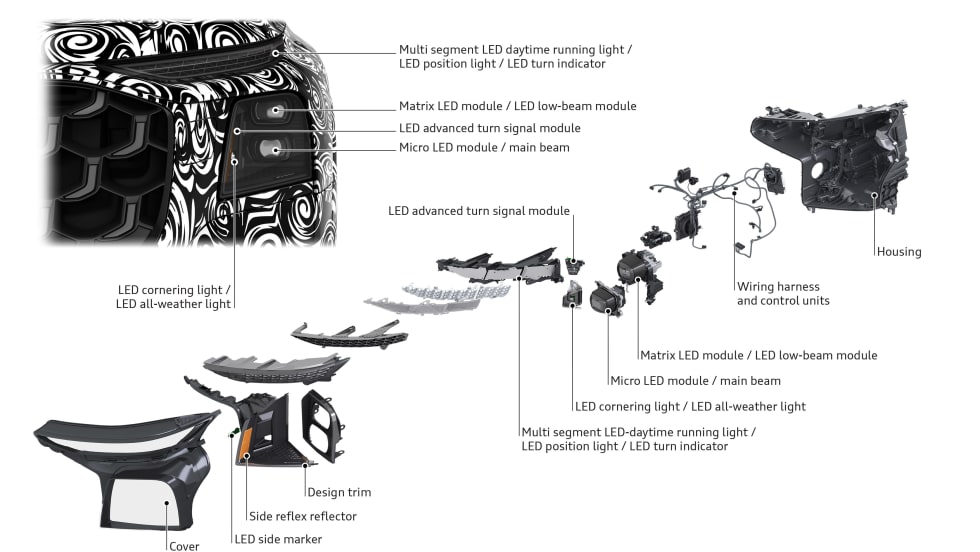
Road Glare to Drop a Notch?
Audi is preparing two SUV models for the American market with the automaker’s adaptive LED headlights. Its technology is designed to reduce brightness for other drivers, a growing complaint among U.S. motorists.
Read More →
AppOne Partners With RouteOne for E-Contracting Solution
By digitizing the entire contracting and funding process, the company says auto dealers can eliminate frustrating and disorganized manual processes.
Read More →