



Court Freezes VW Assets in Russia
They will remain so until automaker’s dispute with Russian automaker GAZ is resolved.


Automakers need permission from Russian government to sell off their Russian assets over its conflict in Ukraine.
Markus Spiske
A Russian court has frozen all Volkswagen assets in Russia as the German automaker works to wind down its Russian operations.
Volkswagen, along with other foreign auto manufacturers, suspended operations in Russia last year when Western countries imposed sanctions on Moscow over the war in Ukraine.
Since then, Volkswagen has been trying to sell its Russian assets, including its Kaluga production plant, which can produce up to 225,000 vehicles a year. Volkswagen furloughed the plant in March 2022.
Russian auto manufacturer GAZ, which contracted to produce Volkswagen vehicles at its factory in Nizhny Novgorod, is behind the lawsuit. GAZ sued Volkswagen for breach of contract after the automaker terminated its production agreement with GAZ in August. The lawsuit seeks to halt any sale of the automaker’s assets in Russia.
Court filings allege Volkswagen's attempts to exit the Russian market put GAZ’ interests at risk. The company is seeking $201.3 million in damages over the terminated contract.
A Russian court has now agreed to freeze all of Volkswagen's assets in Russia while the dispute with GAZ plays out.
Czech carmaker Skoda Auto, part of the Volkswagen Group, reported last week that is is in the final stages of a deal to sell its Russian assets.
Russia mandates that companies from “unfriendly” countries, or those that have imposed sanctions on Russia, must win approval from a government commission before they can sell any Russian assets. It is feared that Russia might nationalize strategic assets over the restrictions in sales.
Other leading Western automakers have already left the Russian market. France’s Renault sold a majority stake in Avtovaz to a Russian state entity for one rouble and wrote off assets valued at $2.35 billion.
Auto production in Russia fell by 67% last year, its lowest level since the Soviet Union collapsed.
Originally posted on Auto Dealer Today
More Industry

Penske Auto Group Deal a Record
The deal to take the dealership and transportation services company private sets a new pace for industry buy-sell transactions.
Read More →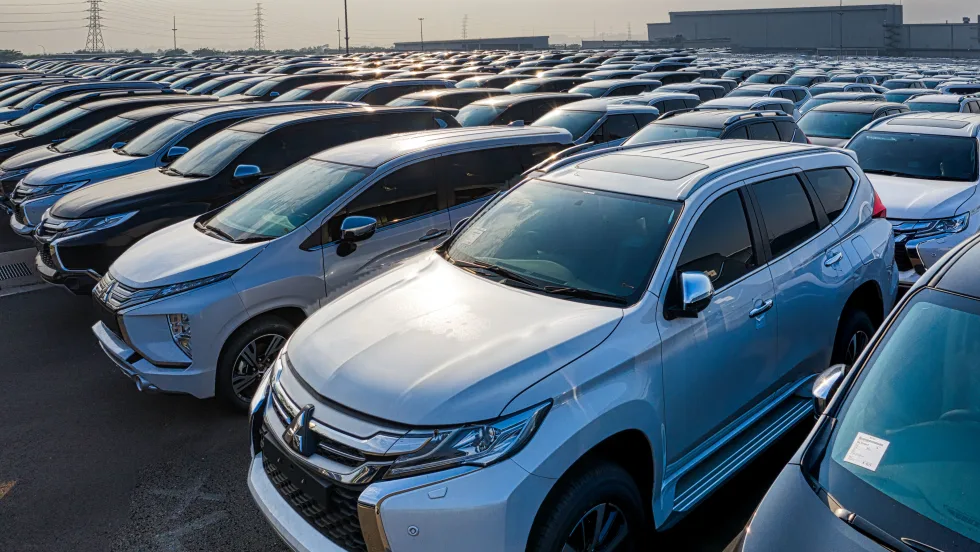
War Toll a Damper on Used Auto Prices
Cox Automotive found wholesale depreciation to be elevated in September amid high fuel prices and this year's unusual hurricane season.
Read More →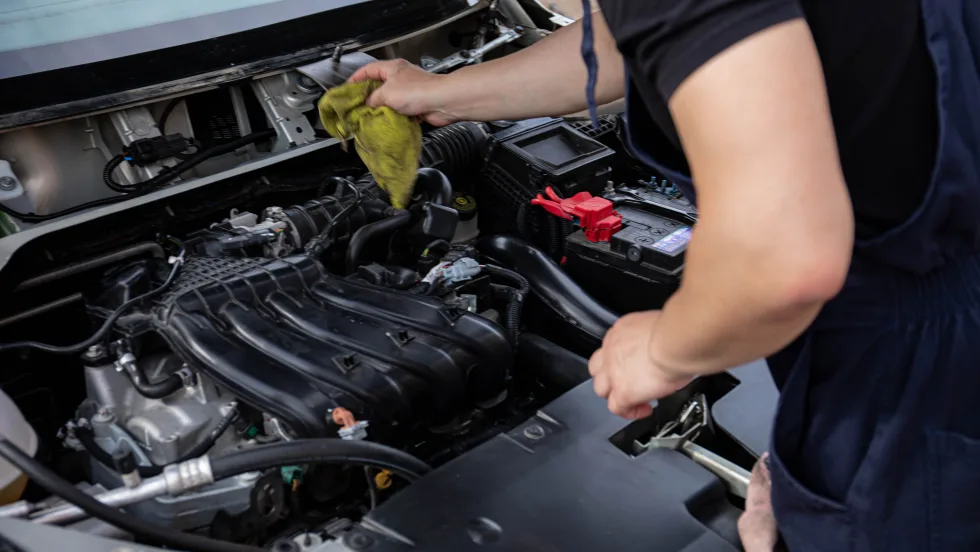
Bridge the Maintenance Gap
With many drivers missing recommended maintenance, service departments offering transparency and efficiency have a better chance of reaching financially strained consumers.
Read More →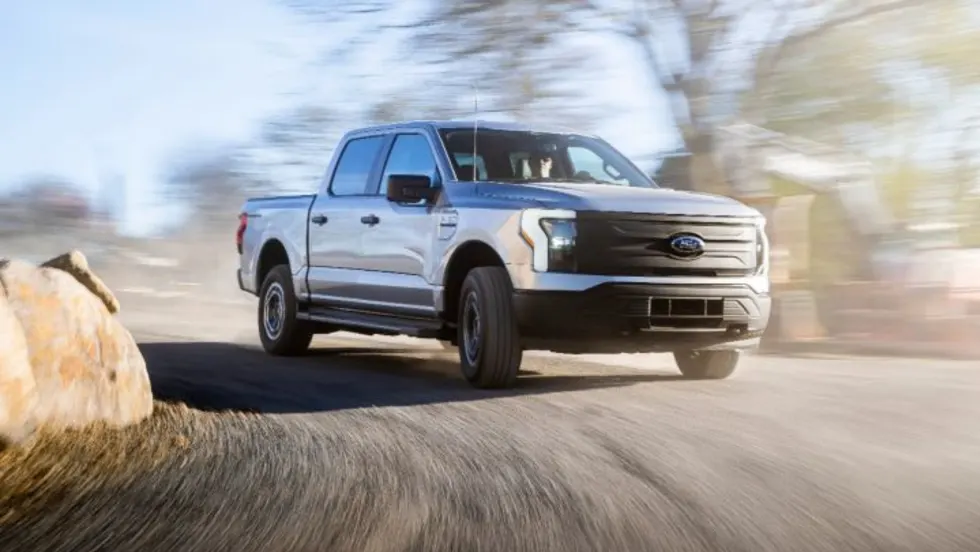
California Store Has New Owner
The longtime dealership in the northern part of the state is known for robust fleet sales and has served the state capital for 115 years.
Read More →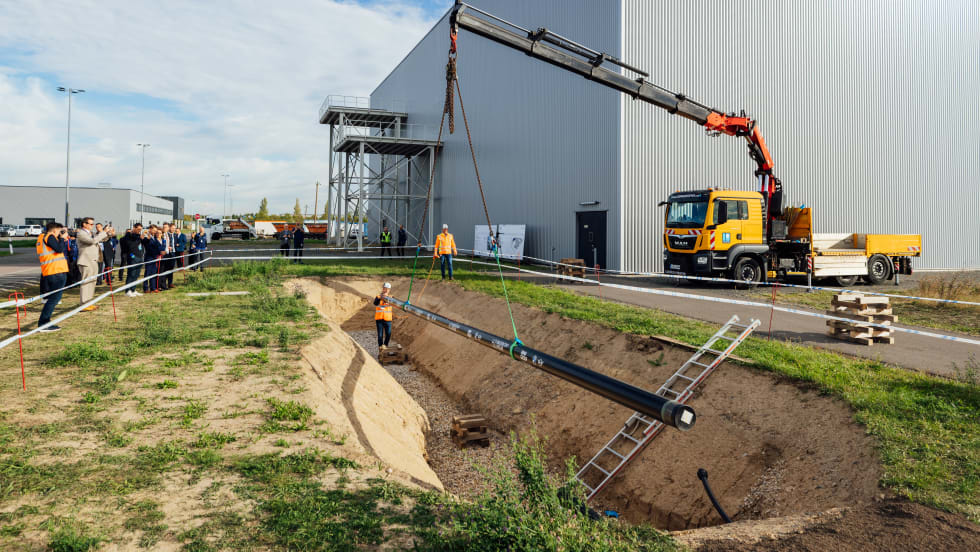
BMW Plant Pursues Cleaner Energy
BMW Group Plant Leipzig has utilized hydrogen to help power its production since 2013, but a new pipeline is planned to take it to another level.
Read More →
Auto Affordability Inches Up
The latest Cox Automotive and Moody’s Analytics index shows a slight increase in new-vehicle affordability despite high prices.
Read More →
Ohio Auto Group Under New Ownership
After 79 years with the Schluter family, Mansfield Auto Group has been acquired by Missouri-based Clement Auto Group.
Read More →
RV Group Expands Carolina Footprint
Blue Compass RV Columbia Northeast is the 13th RV dealership owned by Blue Compass in the Carolinas.
Read More →
Agent Acumen
An Agent Summit panel of people who’ve been supporting auto dealers for years gave both timely and timeless advice for those starting out or mulling the prospect.
Read More →
Missed Maintenance Creates Opportunity
As families get back on the road and into daily school routines, service drives have an opportunity to capture customers who are behind on recommended vehicle maintenance.
Read More →