



Chrysler Wild Card in Talks with UAW

AUBURN HILLS - Chrysler Group LLC will not sign any contract with the United Auto Workers that includes cost-of-living adjustments or similar automatic pay increases, according to sources familiar with the company's position.
"It won't happen. Not here," said one person briefed on the matter, who said the automaker was prepared to go into arbitration with the union over the issue if necessary.
Instead, Chrysler wants to offer workers a more generous profit-sharing deal that would pay between $4,000 and $5,000 annually, assuming the company continues to make money. But it also wants to tie that sum to personal performance metrics like attendance and productivity, reported The Detroit News.
If there is a wild card in this year's labor negotiations between the UAW and the Detroit Three automakers, Chrysler is it.
The Auburn Hills automaker is in a very different position from its cross-town rivals. Like General Motors Co., it went bankrupt and was bailed out by the American taxpayers. But the U.S. government turned Chrysler over to Italy's Fiat SpA because Chrysler was too weak to stand on its own. Ford Motor Co. restructured itself without Washington's help. Chrysler says it needs a deal that meets its needs — not GM's or Ford's.
"They can go and cut whatever deal they want over there. It doesn't matter. It has to make sense here or it won't get signed," one source said. "What we have to focus on is what's good for this business here — what's good for Chrysler."
What makes sense to Chrysler is a deal that maintains the competitiveness gains the automaker won in 2009 and does not add to its fixed costs. Those gains included a freeze on cost-of-living increases, more flexible work rules and the elimination of some holiday pay. Ford and GM are looking for the same thing, and all indications are that the union and the companies are not far apart. The difference is that Chrysler has drawn a sharper line in the sand on issues like cost-of-living adjustments.
The other difference is Sergio Marchionne.
He has been the CEO of both Chrysler and Fiat since the latter took over the U.S. carmaker in 2009. The unconventional executive is known for his hands-on management style and is expected to play a direct role in this year's bargaining.
Marchionne is still new to Detroit. He has a different perspective on labor relations born out of the often confrontational relations between Fiat and the volatile Italian unions. He is also unencumbered by the baggage of Chrysler's history with UAW. He does not know how things were done, and he does not care.
"There is a profound difference in the unions that Marchionne has dealt with in Europe," said labor expert Harley Shaiken of the University of California, Berkeley. "He is facing a different set of challenges here."
Formal negotiations between Chrysler and the UAW will not begin until Monday, but the two sides have been meeting almost every day for months.
Union President Bob King welcomed the Italian's presence at the table, noting Fiat's major investments in Chrysler.
"I'm really pleased with our relationship with Marchionne. I'm really pleased with the new product investment that's going into our UAW-represented plants — plants like Sterling that were scheduled to close," King told The Detroit News. "I feel like we've got a good relationship."
Those investments, which have totaled about $3 billion, have already translated into 2,000 new jobs at Chrysler plants in the United States. And the automaker is prepared to do more, provided it gets the contract it says it needs from the UAW.
"When labor costs get competitive, we look for ways to bring work in," one source said. "How serious is the UAW about job growth? That's what this comes down to."
Adding jobs is critical to the UAW's survival. The union's membership has fallen from more than 700,000 in 2001 to less than 377,000 in 2010. That is creating real financial challenges for the organization itself.
Last fall, King and Wayne County Executive Robert Ficano traveled to Italy to meet with Fiat suppliers and urge them to set up shop in Michigan. King promised the UAW would work with them, not against them, if they did. Those companies are now watching the negotiations between Chrysler and the UAW closely.
Helping to craft a deal that works for both the company and the union without drama would prove King's sincerity, said one person familiar with the situation. The alternative would be arbitration.
The U.S. government forced the UAW to give up its right to strike Chrysler and GM at Fiat's insistence. If they cannot agree on contract terms, their difference must be resolved through binding arbitration.
Marchionne personally helped draft the arbitration language in the 2009 agreement, so it is not surprising that Chrysler is more willing to consider the option. But sources say it hopes to avoid any confrontation.
"It's not something we're going to carry around like a hammer," one said, adding that Chrysler hopes the UAW will see the benefit in working together.
"If they're interested in job growth and job retention, then labor cost competitiveness and world-class work practices are no longer a negotiable consideration."
Those sources said arbitration would make the union look worse than Chrysler, and they believe that is a powerful incentive for King to negotiate a competitive deal with the carmaker.
"The last thing any one of us wants to do is go into arbitration," King said.
"We all want to be masters of our own destiny. We don't want to go to a third party."
Chrysler said its "all-in" labor costs are now about $51 an hour. That includes everything from base wages and overtime to health insurance and pension costs. It is on par with what workers at Japanese transplant factories in the United States are paid, too. Workers at those companies get higher bonuses, but also pay more of their own health care costs. Chrysler would like to adopt a similar model.
The Auburn Hills automaker's U.S. hourly workers are responsible for about 7 percent of their own heath care costs. The national average is closer to 30 percent, and Chrysler salaried employees pay 33 percent. Workers at the Japanese transplants are responsible for between 10 percent and 15 percent of theirs.
While other automakers have expressed concern about the competitive gap with foreign transplants, Chrysler is more worried about fending off the looming threat of new competition from China.
More Industry

Penske Auto Group Deal a Record
The deal to take the dealership and transportation services company private sets a new pace for industry buy-sell transactions.
Read More →
War Toll a Damper on Used Auto Prices
Cox Automotive found wholesale depreciation to be elevated in September amid high fuel prices and this year's unusual hurricane season.
Read More →
Bridge the Maintenance Gap
With many drivers missing recommended maintenance, service departments offering transparency and efficiency have a better chance of reaching financially strained consumers.
Read More →
California Store Has New Owner
The longtime dealership in the northern part of the state is known for robust fleet sales and has served the state capital for 115 years.
Read More →
BMW Plant Pursues Cleaner Energy
BMW Group Plant Leipzig has utilized hydrogen to help power its production since 2013, but a new pipeline is planned to take it to another level.
Read More →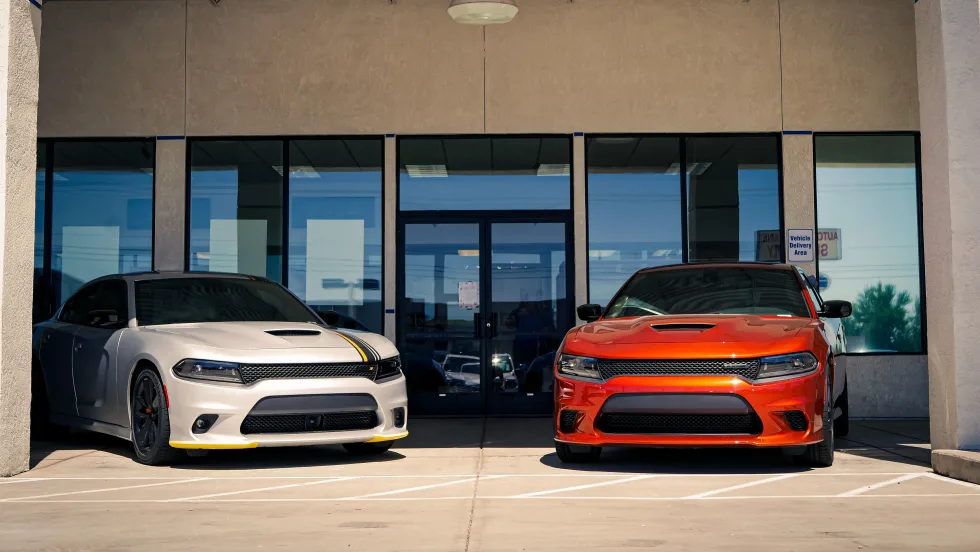
Auto Affordability Inches Up
The latest Cox Automotive and Moody’s Analytics index shows a slight increase in new-vehicle affordability despite high prices.
Read More →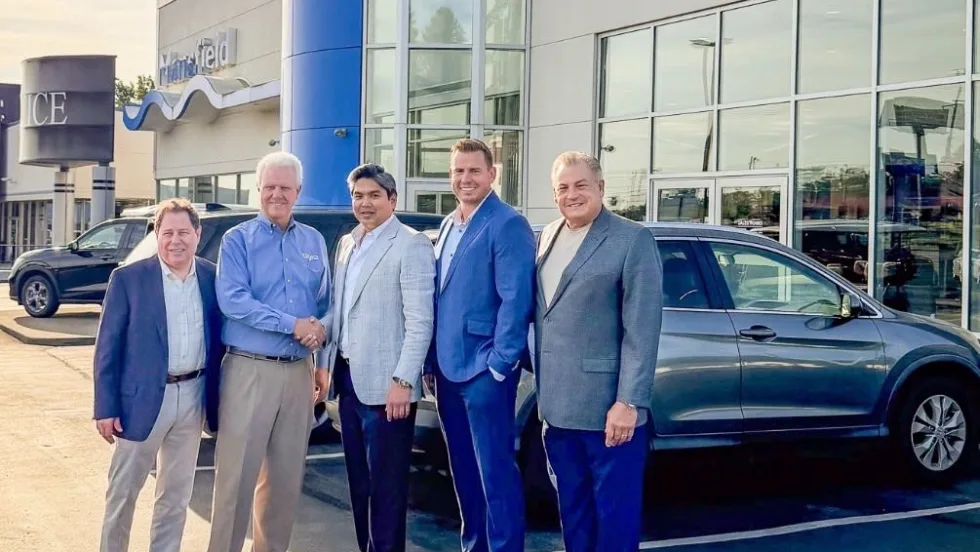
Ohio Auto Group Under New Ownership
After 79 years with the Schluter family, Mansfield Auto Group has been acquired by Missouri-based Clement Auto Group.
Read More →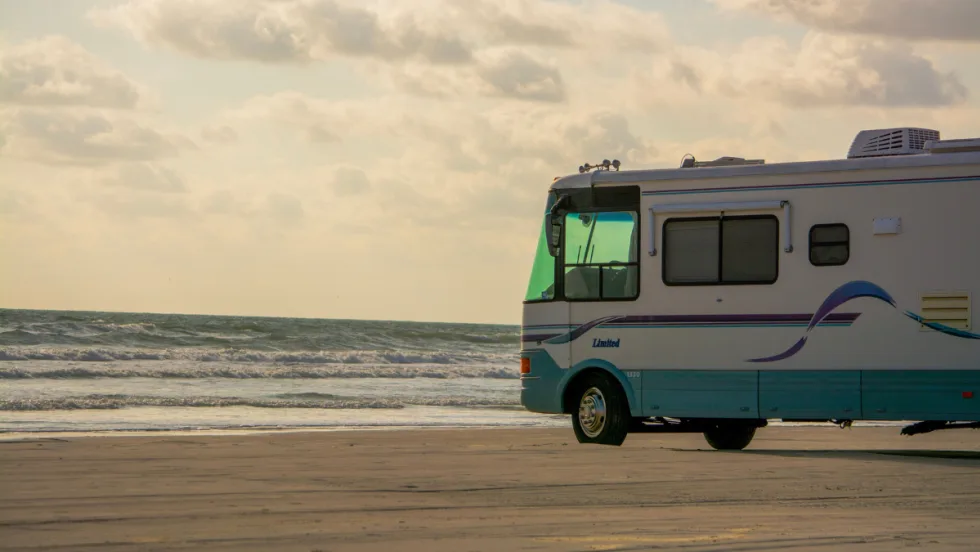
RV Group Expands Carolina Footprint
Blue Compass RV Columbia Northeast is the 13th RV dealership owned by Blue Compass in the Carolinas.
Read More →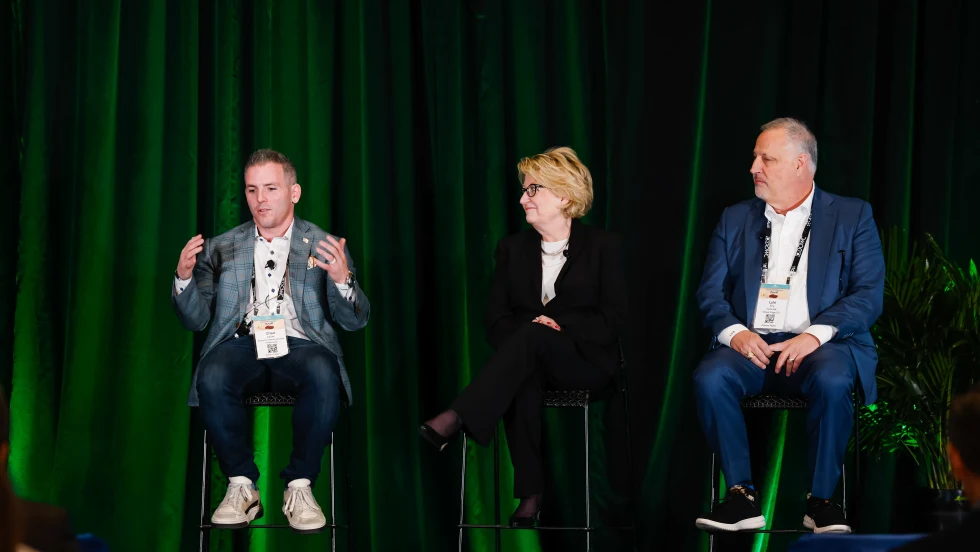
Agent Acumen
An Agent Summit panel of people who’ve been supporting auto dealers for years gave both timely and timeless advice for those starting out or mulling the prospect.
Read More →
Missed Maintenance Creates Opportunity
As families get back on the road and into daily school routines, service drives have an opportunity to capture customers who are behind on recommended vehicle maintenance.
Read More →