



Chip Shortage: Biden Administration Reports Relief On Its Way
Manufacturers are entering commitments to produce more automotive-grade chips for automotive manufacturers that have idled production amid the shortage.


Economists warn the chip shortage is a source of U.S. inflation, which reached its highest level in 12 years in June.
Creative Commons
Biden Administration officials say relief is on the way for the global semiconductor supply shortage. Manufacturers are entering commitments to produce more automotive-grade chips for automotive manufacturers that have idled production amid the shortage.
U.S. Commerce Secretary Gina Raimondo, who leads the chip supply effort at the federal level, has scheduled meetings between semiconductor manufacturers, their suppliers and their customers. The meetings will ease mistrust between stakeholders, officials say.
Raimondo hopes that the meetings foster greater transparency about chip production and shipments and provide a gradual increase in supply for automakers.
Asian companies, Taiwan Semiconductor Manufacturing Co. (TSMC) and Samsung Electronics Co. Ltd., produce the bulk of semiconductor chips. The Administration reportedly has pressed governments in Malaysia and Vietnam to deem their semiconductor plants as “critical” businesses that maintain production in Covid-19 outbreaks.
Chip manufacturers are also responding. TSMC has reported that the company will ramp up chip production by up to 60% this year, a move that will boost supplies for automobile clients this quarter.
Raimondo reported automakers are already seeing improvements; noting Ford Motor Co. CEO Jim Farley and General Motors CEO Mary Barra have reported they are seeing more supply. And a Goldman Sachs analysis reported that the country would see the peak impact of the chip shortage in the second quarter and predicted supply “should jump in July.”
But even as supply increases, it’s not enough. U.S. automakers say supply is still coming up short, adding up to a $110 billion hit for the industry.
Ford closed or curtailed production at eight factories in July. Five General Motors’ North American plants will also pause production because of semiconductor shortages in July and August, reported GM spokesman David Barnas.
A General Motors statement said, “Global purchasing and supply chain, engineering and manufacturing teams continue to find creative solutions and make strides working with the supply base to maximize production of our highest-demand and capacity-constrained vehicles, including full-size trucks and SUVs for our customers.”
The semiconductor shortage emerged as a crisis earlier this year as a lack of chips forced U.S. automakers to temporarily shutter operations.
Semiconductor manufacturers and auto companies cite varied reasons for the shortage. Auto companies blame a lack of transparency in how many chips companies produce and where they’re being sold. Chip manufacturers attribute the problem to when the auto industry, because of the pandemic, cut back on chip orders. Then when countries began to reopen, automakers increased demand.
Economists warn the chip shortage is a source of U.S. inflation, which reached its highest level in 12 years in June. The inventory shortage of new cars because of the chip shortage pushed many Americans into used vehicles, causing prices to soar and leading to one-third of the cost-of-living increase in June.
Raimondo is pushing Congress to pass legislation that earmarks $52 billion for boosting chip production and additional semiconductor research and development in the United States. The Senate passed its version of the bill in June, but the legislation in the House remains under debate. Biden’s team and Raimondo are reportedly working with Congress to get the bill passed.
Even if Congress approves the funding, industry representatives predict implementation will take at least six months.
The European Union is also working to double its chip manufacturing to at least 20% of world supply by 2030. And, Chinese President Xi Jinping appointed his economic czar Liu He to reduce China’s reliance on foreign chip companies.
Originally posted on Auto Dealer Today
More Industry

Penske Auto Group Deal a Record
The deal to take the dealership and transportation services company private sets a new pace for industry buy-sell transactions.
Read More →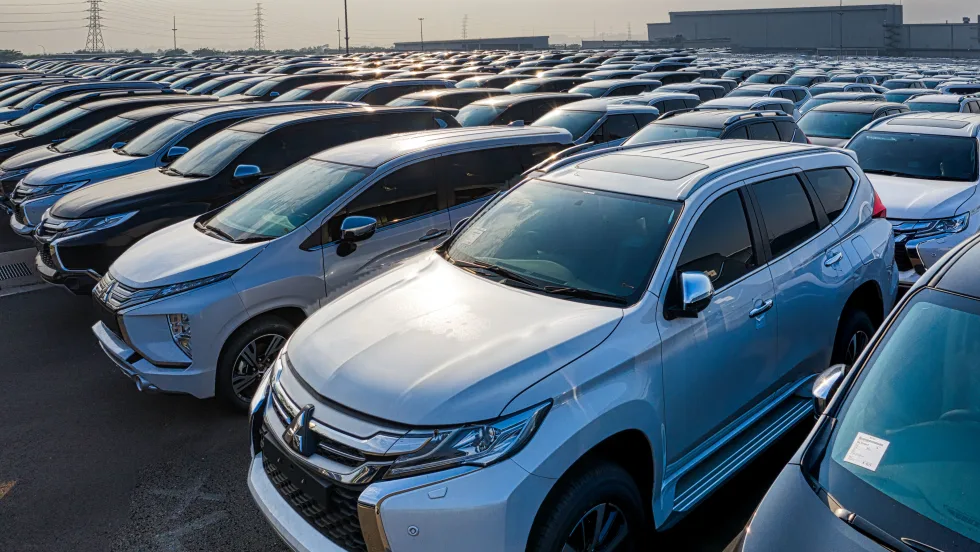
War Toll a Damper on Used Auto Prices
Cox Automotive found wholesale depreciation to be elevated in September amid high fuel prices and this year's unusual hurricane season.
Read More →
Bridge the Maintenance Gap
With many drivers missing recommended maintenance, service departments offering transparency and efficiency have a better chance of reaching financially strained consumers.
Read More →
California Store Has New Owner
The longtime dealership in the northern part of the state is known for robust fleet sales and has served the state capital for 115 years.
Read More →
BMW Plant Pursues Cleaner Energy
BMW Group Plant Leipzig has utilized hydrogen to help power its production since 2013, but a new pipeline is planned to take it to another level.
Read More →
Auto Affordability Inches Up
The latest Cox Automotive and Moody’s Analytics index shows a slight increase in new-vehicle affordability despite high prices.
Read More →
Ohio Auto Group Under New Ownership
After 79 years with the Schluter family, Mansfield Auto Group has been acquired by Missouri-based Clement Auto Group.
Read More →
RV Group Expands Carolina Footprint
Blue Compass RV Columbia Northeast is the 13th RV dealership owned by Blue Compass in the Carolinas.
Read More →
Agent Acumen
An Agent Summit panel of people who’ve been supporting auto dealers for years gave both timely and timeless advice for those starting out or mulling the prospect.
Read More →
Missed Maintenance Creates Opportunity
As families get back on the road and into daily school routines, service drives have an opportunity to capture customers who are behind on recommended vehicle maintenance.
Read More →