



Car Industry to Push Back on Safety Bills

WASHINGTON — Automakers are preparing to push back against legislation being drafted in Congress that is designed to improve vehicle safety but that the companies fear could increase manufacturing costs and lead to more civil lawsuits, reported The Wall Street Journal. The legislation, unveiled Tuesday by Senate Commerce Committee Chairman John D. Rockefeller (D., W.Va.), is among several proposals that seek to address issues raised by Toyota Motor Corp.'s safety recalls for sudden-acceleration reports. A similar bill being written by Rockefeller's House counterpart, Rep. Henry Waxman (D., Calif.), will be the subject of a hearing Thursday. The proposals would increase civil penalties imposed on companies found to have hidden or mishandled car defects, removing the current cap of $16.4 million. They would make it harder for federal safety regulators to become industry lobbyists and would boost funding for the National Highway Traffic Safety Administration, the agency that investigates defects. The bills also would impose a slew of new rules on car design, covering everything from pedal placement to the performance of electronic-throttle-control systems. Every car would be required to have so-called black boxes that record crash data and technology to ensure a car stops when the gas and brake pedals are simultaneously pressed. The legislative proposals have stoked industry concerns that auto makers will ultimately be faced with overly prescriptive mandates for new technologies and unrealistic deadlines to meet them. Michael J. Stanton, president of the Association of International Automobile Manufacturers, a trade group that includes Toyota, Honda Motor Co. and Nissan Motor Co., said the industry wants to work with Congress on a bill and is on board broadly with some of the principles in the current proposals. But he said the proposals are at times too detailed about what the new technologies should achieve and would require too quick a turnaround for federal regulators to implement the new rules. Some of the new standards would apply to vehicles manufactured within two years after the legislation is passed, a time frame that one executive for a major auto maker called unrealistic and highly costly given that vehicle lineups are planned years in advance. Many vehicles already are equipped with event-data recorders and brake-override systems, but the new legislation could require more-advanced technology than what is currently on the road. The Rockefeller and Waxman bills require that black boxes record data from 60 seconds before a crash, a broader time period than what current devices typically record. The new rules could add thousands of dollars to the cost of a vehicle, one auto executive said. Another provision would make public certain vehicle information provided to federal regulators that currently is considered proprietary and shielded from disclosure requirements. And a separate provision would set up an appeals process in civil courts for complaints dismissed by federal safety regulators. Car companies are concerned that both provisions might lead to more civil lawsuits.
More Industry

Penske Auto Group Deal a Record
The deal to take the dealership and transportation services company private sets a new pace for industry buy-sell transactions.
Read More →
War Toll a Damper on Used Auto Prices
Cox Automotive found wholesale depreciation to be elevated in September amid high fuel prices and this year's unusual hurricane season.
Read More →
Bridge the Maintenance Gap
With many drivers missing recommended maintenance, service departments offering transparency and efficiency have a better chance of reaching financially strained consumers.
Read More →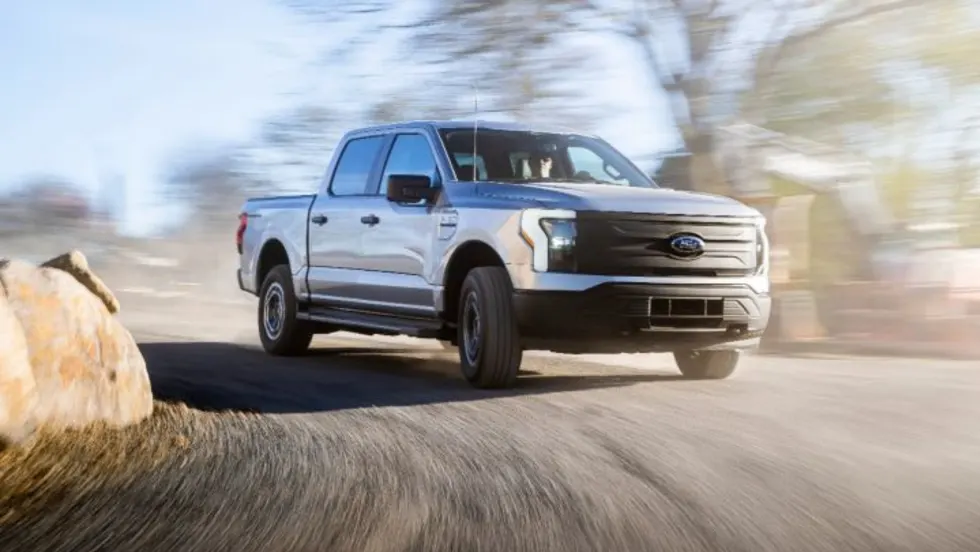
California Store Has New Owner
The longtime dealership in the northern part of the state is known for robust fleet sales and has served the state capital for 115 years.
Read More →
BMW Plant Pursues Cleaner Energy
BMW Group Plant Leipzig has utilized hydrogen to help power its production since 2013, but a new pipeline is planned to take it to another level.
Read More →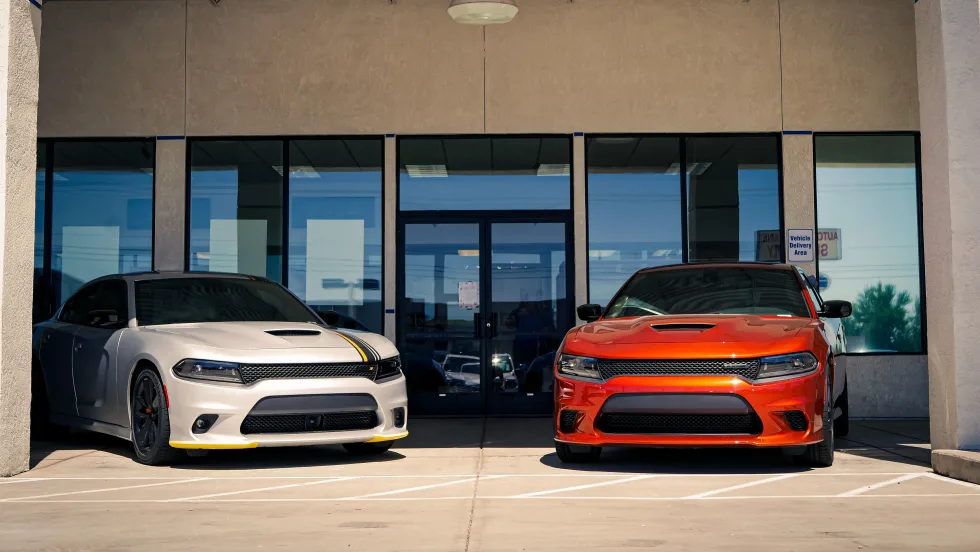
Auto Affordability Inches Up
The latest Cox Automotive and Moody’s Analytics index shows a slight increase in new-vehicle affordability despite high prices.
Read More →
Ohio Auto Group Under New Ownership
After 79 years with the Schluter family, Mansfield Auto Group has been acquired by Missouri-based Clement Auto Group.
Read More →
RV Group Expands Carolina Footprint
Blue Compass RV Columbia Northeast is the 13th RV dealership owned by Blue Compass in the Carolinas.
Read More →
Agent Acumen
An Agent Summit panel of people who’ve been supporting auto dealers for years gave both timely and timeless advice for those starting out or mulling the prospect.
Read More →
Missed Maintenance Creates Opportunity
As families get back on the road and into daily school routines, service drives have an opportunity to capture customers who are behind on recommended vehicle maintenance.
Read More →