



Biden Administration Announces Federal EV Plan
The proposed strategy includes building 500,000 charging stations for electric vehicles across the country and lowering the cost of electric cars.

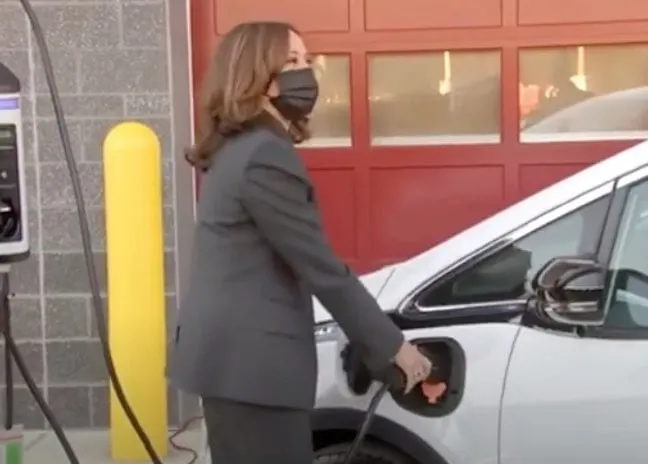
Vice President Kamala Harris
PBS
The Biden administration has announced a federal strategy to build 500,000 charging stations for electric vehicles across the country and to lower the cost of electric cars to transform the U.S. auto industry.
“The future of transportation in our nation and around the world is electric, ″ Vice President Kamala Harris said at an EV charging facility in suburban Maryland.
The $1 trillion infrastructure bill that Joe Biden signed in November authorizes a nationwide network of charging stations and sets aside $5 billion for states to build them. The legislation also earmarks $2.5 billion for local grants to support charging stations in rural areas and in disadvantaged communities.
The Biden Administration’s proposed $2 trillion social and environmental policy bill includes a $7,500 tax credit to lower the cost of electric vehicles.
“We want to make electric vehicles accessible for everyone, ″ Harris said. “Absolutely make it accessible for everyone and easy. Just like filling up your car with gas.”
The auto industry already is moving toward electric vehicles, Harris added: “We need to make the shift faster and make sure the United States drives it.″
Harris pointed out that installing public chargers in rural, urban or suburban neighborhoods makes “it easier for people to go electric.” She stressed the biggest barrier to buying an electric car for most people is “figuring out where and how to charge it. ″
She explained people who live in apartments may not have a private driveway where they can install a plug, while rural residents may have to drive miles to the nearest charger.
Harris visited a maintenance facility in Brandywine, just outside Washington, where she received a demonstration on how chargers work and learned about a plan to electrify the government fleet in Maryland’s Prince George’s County.
The federal government’s new EV charging strategy:
Forms a joint electric vehicles office between the federal Energy and Transportation departments
Provides guidance and standards for states
Ensures consultations with manufacturers, state and local governments, environmental justice and civil rights groups, tribes and others.
The Energy and Transportation departments also will launch an advisory committee on electric vehicles that officials hope will be up and running early next year.
The effort should lower emissions and promote sustainability while helping the U.S. leapfrog China in the plug-in EV market. Currently, the U.S. market share of plug-in electric vehicle sales is one-third the size of that of China.
Biden has set a goal that electric cars and trucks account for half of new vehicles sold by 2030.
The LMC Automotive consulting firm forecasts that U.S. sales of new fully electric vehicles will reach 400,000 this year, almost double last year’s figure. Even so, EVs still make up only about 2.6% of sales. But LMC predicts EV sales will grow to over 730,000 in 2022 and over 2 million by 2025.
Even at 2 million, however, EV sales would only represent about 12% of U.S. new vehicle sales.
Republicans, including some who voted in favor of the new infrastructure law, criticize the Administration’s focus on EVs as Americans content with spikes in gasoline and natural gas prices.
Republicans and Sen. Joe Manchin also are criticizing the legislation’s proposed additional $4,500 tax credit for EVs made in plants that operate under a union-negotiated collective bargaining agreement.
Originally posted on Auto Dealer Today
More Industry

Penske Auto Group Deal a Record
The deal to take the dealership and transportation services company private sets a new pace for industry buy-sell transactions.
Read More →
War Toll a Damper on Used Auto Prices
Cox Automotive found wholesale depreciation to be elevated in September amid high fuel prices and this year's unusual hurricane season.
Read More →
Bridge the Maintenance Gap
With many drivers missing recommended maintenance, service departments offering transparency and efficiency have a better chance of reaching financially strained consumers.
Read More →
California Store Has New Owner
The longtime dealership in the northern part of the state is known for robust fleet sales and has served the state capital for 115 years.
Read More →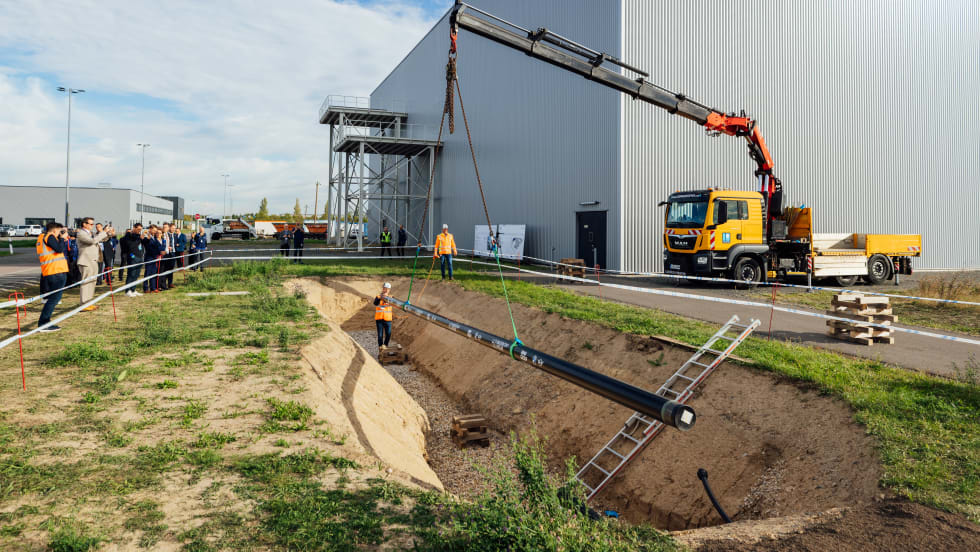
BMW Plant Pursues Cleaner Energy
BMW Group Plant Leipzig has utilized hydrogen to help power its production since 2013, but a new pipeline is planned to take it to another level.
Read More →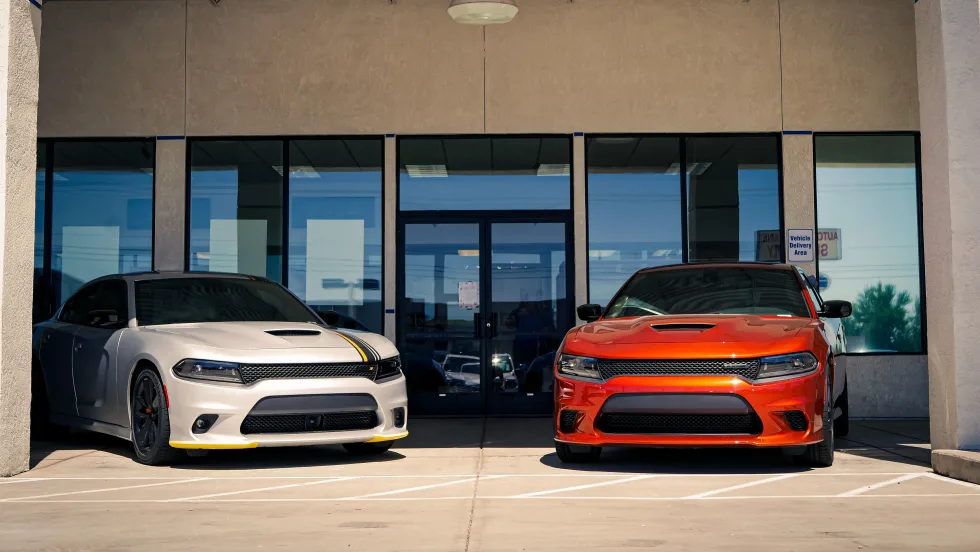
Auto Affordability Inches Up
The latest Cox Automotive and Moody’s Analytics index shows a slight increase in new-vehicle affordability despite high prices.
Read More →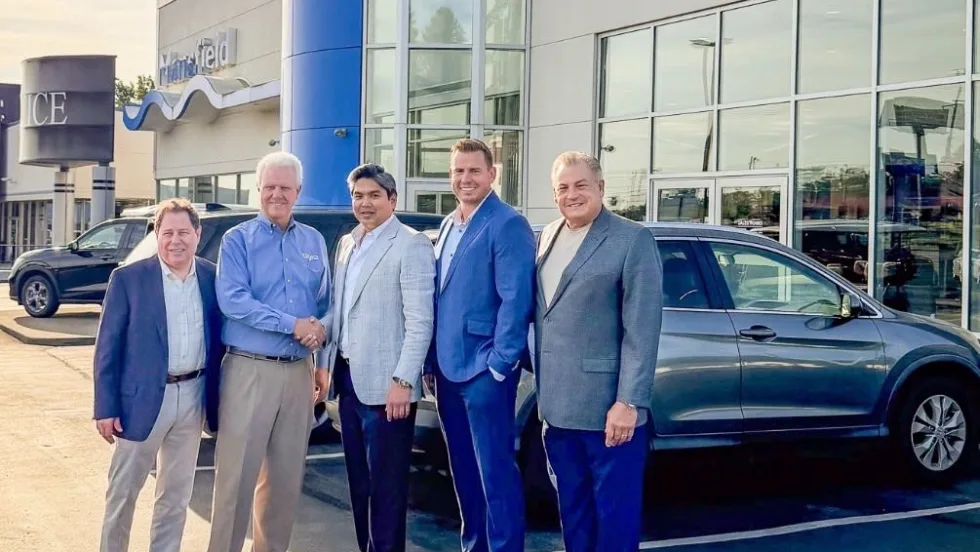
Ohio Auto Group Under New Ownership
After 79 years with the Schluter family, Mansfield Auto Group has been acquired by Missouri-based Clement Auto Group.
Read More →
RV Group Expands Carolina Footprint
Blue Compass RV Columbia Northeast is the 13th RV dealership owned by Blue Compass in the Carolinas.
Read More →
Agent Acumen
An Agent Summit panel of people who’ve been supporting auto dealers for years gave both timely and timeless advice for those starting out or mulling the prospect.
Read More →
Missed Maintenance Creates Opportunity
As families get back on the road and into daily school routines, service drives have an opportunity to capture customers who are behind on recommended vehicle maintenance.
Read More →