



Average New-Vehicle Age Reaches Nearly Six Years, Polk Reports

SOUTHFIELD — An analysis by Polk revealed that the average length of ownership of vehicles that were purchased new has risen to a record 71.4 months, or nearly six years. For consumers who purchased used vehicles, the average length of ownership is nearly 49.9 months.
Combined, new and used vehicle owners are holding on to their vehicles for an average 57 months, according to Polk. For new and used owners combined, the length of vehicle ownership among U.S. consumers has increased 23 percent since the third quarter of 2008.
A number of factors contribute to the increased length of ownership, according to Polk, which analyzed vehicle registration data through Sept. 2011. First, consumer spending remains conservative in a still-weak job market with relatively high unemployment rates. Second, many buyers have longer-term financing options to secure more affordable payments. Third, vehicles produced in recent years have been more durable and more reliable than their predecessors, according to different industry reports.
Several manufacturers also are offering longer warranties for new vehicles, reducing the risk for consumers who want to keep vehicles longer.
Polk’s findings, coupled with the increased average age of vehicles on the road, which now stands at 10.8 years for cars and light trucks combined, offer promise for the automotive aftermarket. “As the aftermarket prepares to service this aging vehicle population, this creates concerns about appropriate parts inventory,” said Mark Seng, global aftermarket practice leader at Polk. “As a result of our analysis, we’re currently working with customers in the aftermarket to help them prepare for increasing demand throughout the entire supply chain."
Polk analysts do not anticipate new-vehicle sales will reach pre-downturn levels of 16 million units until 2015, and Polk does not expect to see an immediate decline in the length of ownership trend over the next few years, according to Seng. “Unemployment rates continue to be high, and we expect many consumers will suffer from the lingering effects of the downturn, further contributing to longer ownership trends,” he said.
More Industry

Penske Auto Group Deal a Record
The deal to take the dealership and transportation services company private sets a new pace for industry buy-sell transactions.
Read More →
War Toll a Damper on Used Auto Prices
Cox Automotive found wholesale depreciation to be elevated in September amid high fuel prices and this year's unusual hurricane season.
Read More →
Bridge the Maintenance Gap
With many drivers missing recommended maintenance, service departments offering transparency and efficiency have a better chance of reaching financially strained consumers.
Read More →
California Store Has New Owner
The longtime dealership in the northern part of the state is known for robust fleet sales and has served the state capital for 115 years.
Read More →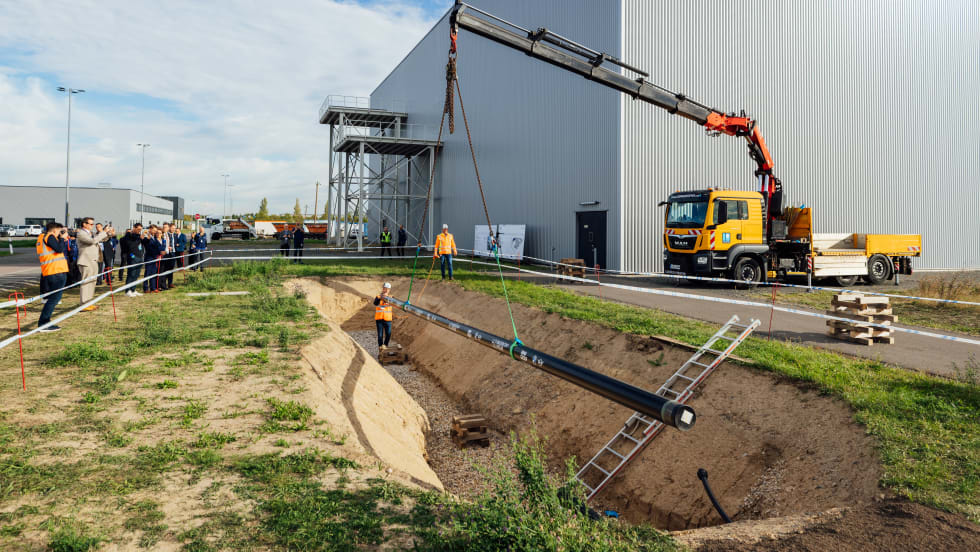
BMW Plant Pursues Cleaner Energy
BMW Group Plant Leipzig has utilized hydrogen to help power its production since 2013, but a new pipeline is planned to take it to another level.
Read More →
Auto Affordability Inches Up
The latest Cox Automotive and Moody’s Analytics index shows a slight increase in new-vehicle affordability despite high prices.
Read More →
Ohio Auto Group Under New Ownership
After 79 years with the Schluter family, Mansfield Auto Group has been acquired by Missouri-based Clement Auto Group.
Read More →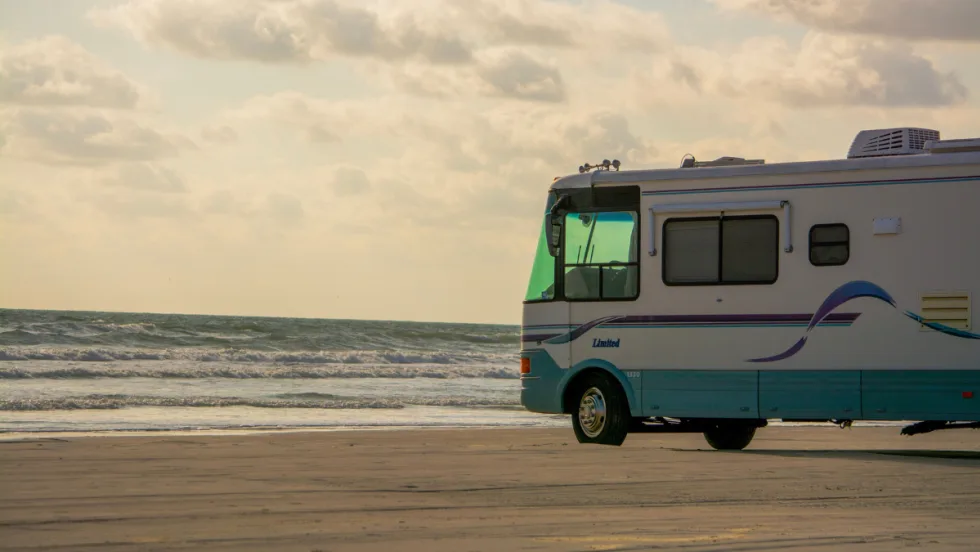
RV Group Expands Carolina Footprint
Blue Compass RV Columbia Northeast is the 13th RV dealership owned by Blue Compass in the Carolinas.
Read More →
Agent Acumen
An Agent Summit panel of people who’ve been supporting auto dealers for years gave both timely and timeless advice for those starting out or mulling the prospect.
Read More →
Missed Maintenance Creates Opportunity
As families get back on the road and into daily school routines, service drives have an opportunity to capture customers who are behind on recommended vehicle maintenance.
Read More →