



Automakers Recall Hundreds of Thousands
Separate issues present crash risk, though no wrecks have been reported.

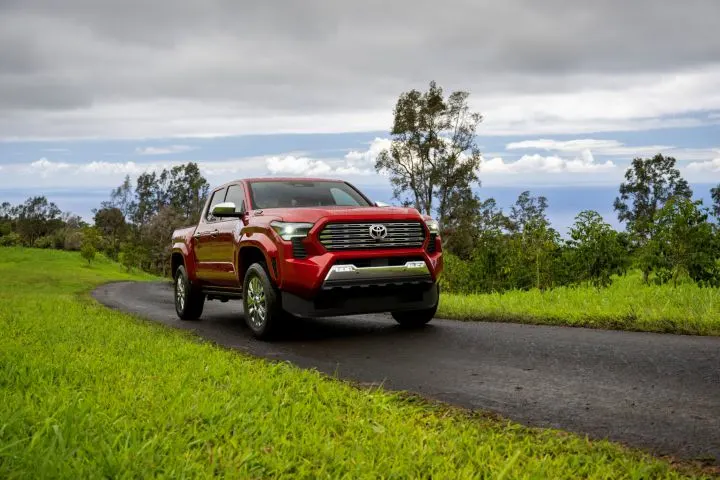
2024 and 2025 Toyota Tacomas are among multiple Toyota and Lexus brands included in the automaker's recall.
Toyota
Hyundai and Toyota issued separate, unrelated recalls affecting nearly 600,000 vehicles each.
Hyundai’s recall involves seat belts that may fail to latch in several model years of the Palisade.
The issue in the 2020 to 2025 midsize crossover SUVs stems from seat belt assembly components not made within specifications, Hyundai said in recall documents filed with the National Highway Traffic Safety Administration.
Defective belts may be present in the driver, passenger and second-row window seats.
The South Korean automaker said it’s unaware of any crashes or injuries related to the flaw. Until owners take the vehicles to dealers for repair, it advises them to fasten the belts firmly and quickly, pulling on them to ensure they’re secure.
Hyundai dealers will inspect the seat belt assemblies and replace them if needed. The company is scheduled to mail recall notices to owners on Nov. 10.
Meanwhile, Toyota’s recall involves potential instrument panel failure so that indicators and warnings, such as speed, brakes and tire pressure, wouldn’t display.
The Japanese automaker, which has gotten hundreds of warranty claims related to the issue, said in NHTSA recall documents that it isolated the issue to a monitor software error.
It recalled certain 2023 to 2024 Toyota Venzas, 2023 to 2025 RAV4 Primes, RAV4s, Highlanders, GR Corollas and Crowns, 2024 to 2025 Lexus TX, LS, Toyota Tacomas and Grand Highlanders, and 2025 Lexus RXs, Toyota Crown Signias, Camrys, RAV 4 Plug-in Hybrids and 4 Runners.
Toyota dealers will update the instrument panel software for non-PHEV models and inspect the panel assembly in the others and replace the assembly or update its software as needed.
The company is scheduled to mail recall notices to owners on Oct. 27.
More Industry

RV Group Expands Carolina Footprint
Blue Compass RV Columbia Northeast is the 13th RV dealership owned by Blue Compass in the Carolinas.
Read More →
Agent Acumen
An Agent Summit panel of people who’ve been supporting auto dealers for years gave both timely and timeless advice for those starting out or mulling the prospect.
Read More →
Missed Maintenance Creates Opportunity
As families get back on the road and into daily school routines, service drives have an opportunity to capture customers who are behind on recommended vehicle maintenance.
Read More →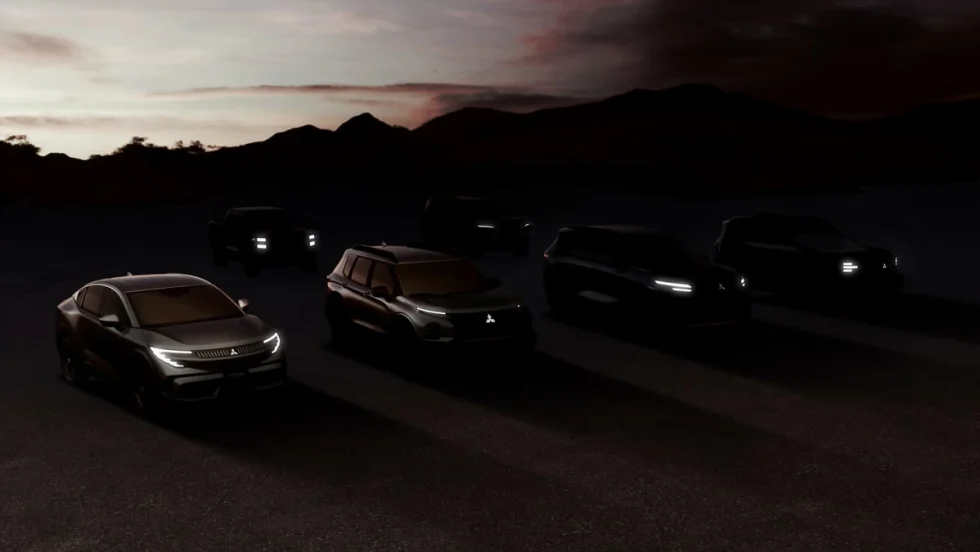
Mitsubishi Unveils U.S. Plan
The automaker announced a strategy that includes an expanded lineup and dealership presence, along with more ‘rugged’ and electric models.
Read More →
Selling to Grow
The question of whether you should sell your agency and if so, when, is up to you. But it’s a question worth asking to ensure you keep the business on the right path for yourself, employees and clients.
Read More →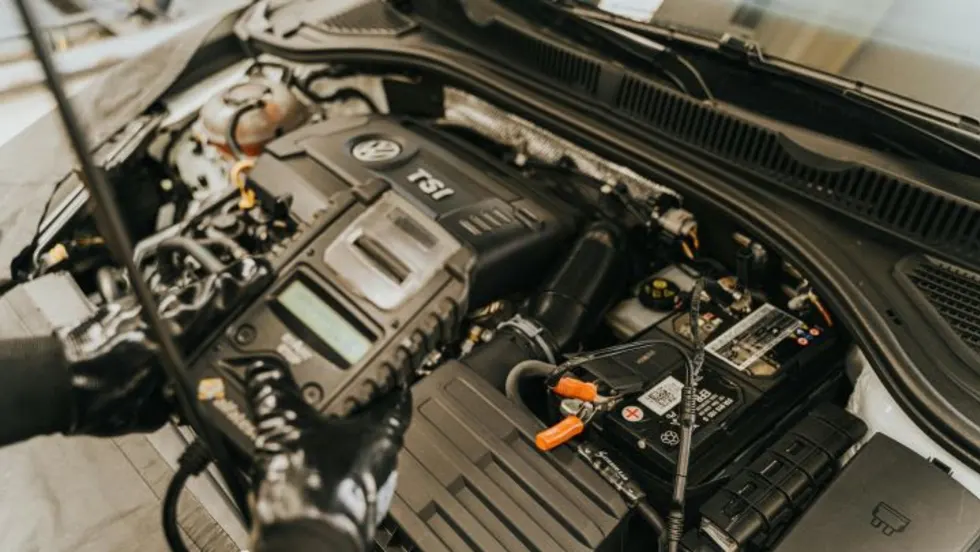
Recalled Vehicles Hit 5-Year High
Though the number of events has fallen so far this year, impacted units are up significantly. Meanwhile, regulators consider consumer notification changes.
Read More →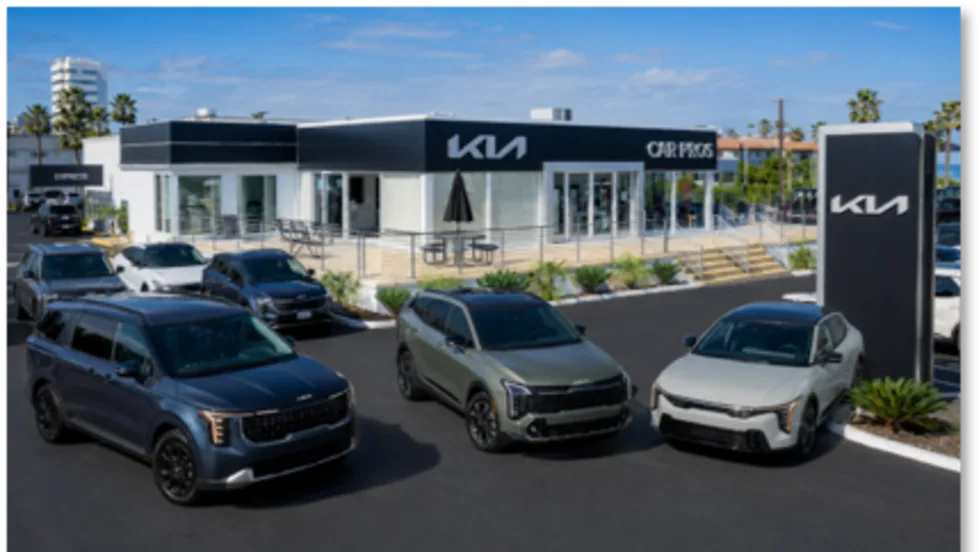
Auto Group Acquires Top-Performing Rooftop
Car Pros sold its Kia Huntington Beach location to Sutherlin Automotive Group, marking the buyer’s third location in Southern California.
Read More →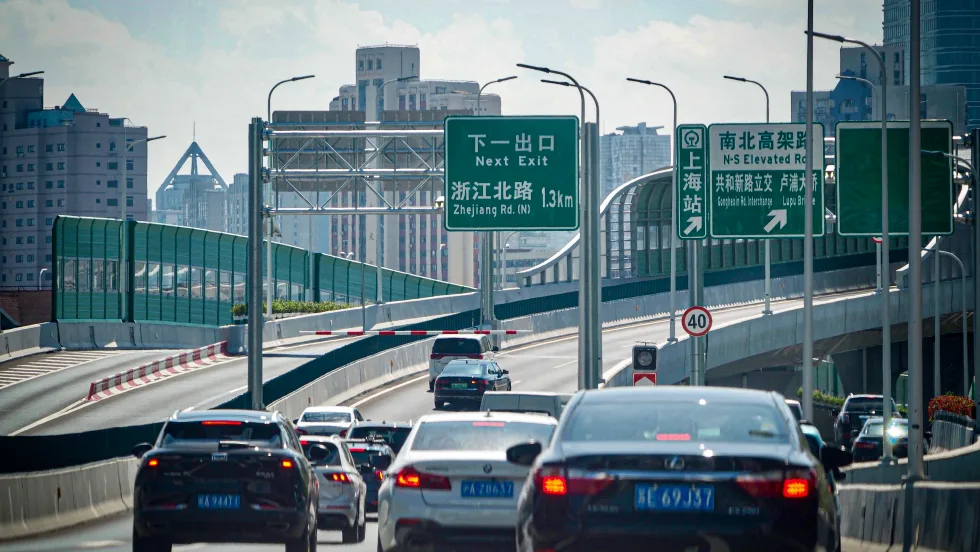
China as Pacesetter
Automotive leaders huddled on where North America stands in the global picture and how it can strengthen its position against the Asian juggernaut’s surging industry.
Read More →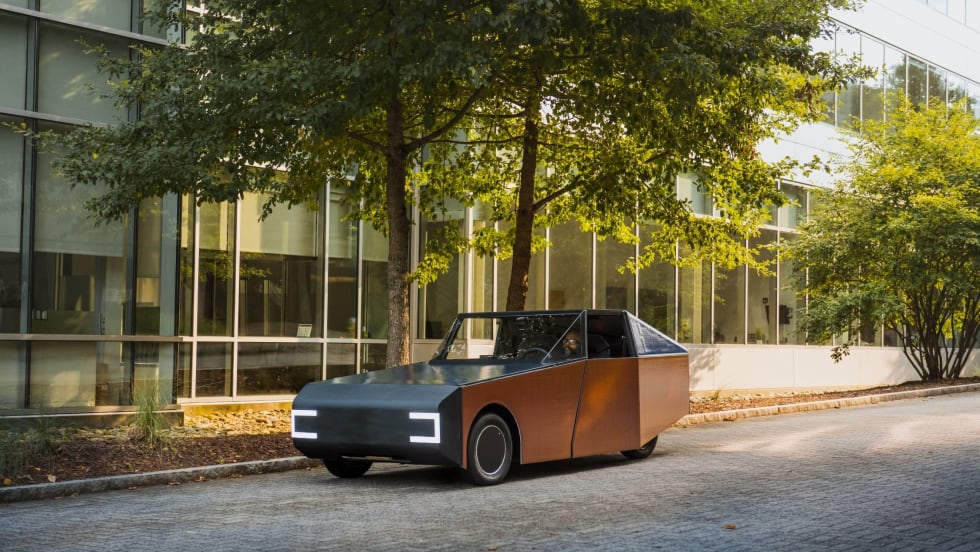
BMW Concept Car Makes Fuel to Burn
The prototype developed in concert with a South Carolina university engineering team generates more solar energy than it uses in a typical daily commute.
Read More →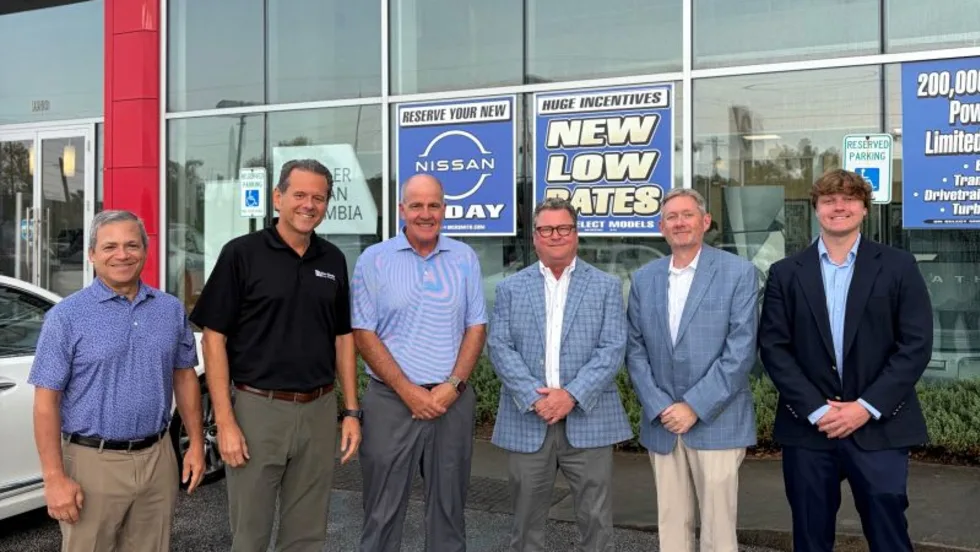
South Carolina Auto Group Downsizes
Florida-based group Holler-Classic has acquired four rooftops, its first in South Carolina, from Dick Smith Automotive Group.
Read More →