



Automakers Drive Up Spending on EV and Battery Development
Automakers will spend nearly $1.2 trillion through 2030 to develop and produce millions of electric vehicles, EV batteries and raw materials.

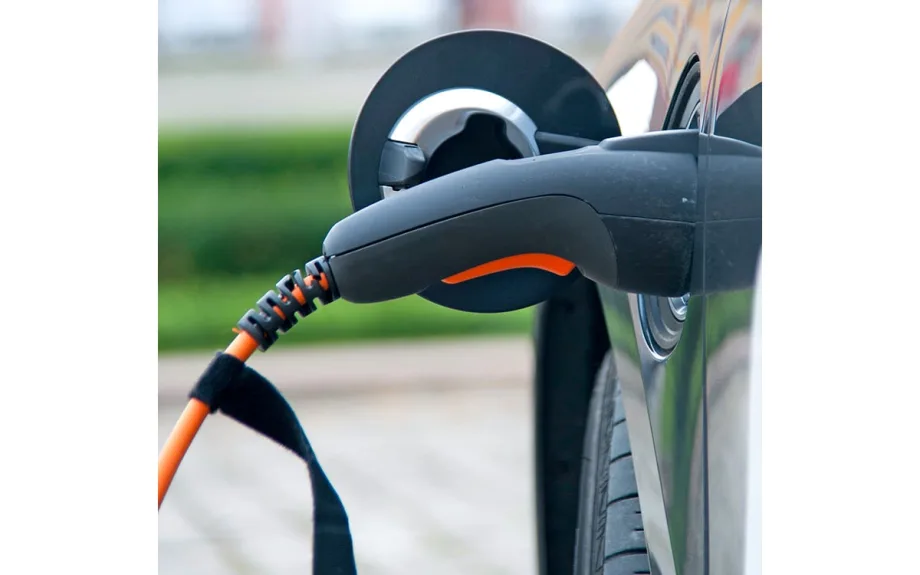
Automakers will spend nearly $1.2 trillion through 2030 to develop and produce millions of electric vehicles, EV batteries and raw materials.
IMAGE: Getty Images
The world's top automakers plan to spend nearly $1.2 trillion through 2030 to develop and produce millions of electric vehicles (EVs) as well as EV batteries and raw materials, according to a Reuters analysis of public data and projections released by OEMs.
Automakers have forecast plans to build 54 million battery electric vehicles in 2030, representing over 50% of total vehicle production, according to the analysis.
As more EVs are made, automakers and their battery partners also plan to install 5.8 terawatt-hours of battery production capacity by 2030, according to data from Benchmark Mineral Intelligence and manufacturers.
Tesla leads the charge toward EVs, with Chief Executive Elon Musk outlining a plan to build 20 million EVs in 2030, requiring around 3 terawatt hours of batteries. Musk reports the automaker is working on a smaller EV vehicle platform that will cost half as much as the company’s Model 3 or Model Y.
The Reuters analysis forecasts that Tesla’s forecasted growth, a 13-fold increase over the 1.5 million vehicles the company is expected to sell in 2021, will cost hundreds of billions of dollars.
Volkswagen also has ambitious plans to build out its global EV portfolio, add new battery giga factories in Europe and North America, and lock up supplies of key materials.
Toyota Motor Corp. will invest $70 billion to electrify vehicles and produce more batteries. The Japanese automaker expects to sell at least 3.5 million battery electric models (BEVs) in 2030. The automaker plans to sell at least 30 different BEVs and expects to transition the entire Lexus range to battery electric by 2030.
Ford Motor Co. plans to spend an estimated $50 billion on EVs and plans at least 240 gigawatt-hours of battery capacity with its partners. The automaker aims to produce around 3 million BEVs in 2030.
Mercedes-Benz has set aside $47 billion for EV development and production, nearly two-thirds of which will boost its global battery capacity with partners to over 200 gigawatt-hours.
BMW, Stellantis, and General Motors have each earmarked around $35 billion on EVs and batteries. Stellantis has planned 400 gigawatt-hours of capacity with partners by 2030, including four plants in North America.
Originally posted on Auto Dealer Today
More Industry

Penske Auto Group Deal a Record
The deal to take the dealership and transportation services company private sets a new pace for industry buy-sell transactions.
Read More →
War Toll a Damper on Used Auto Prices
Cox Automotive found wholesale depreciation to be elevated in September amid high fuel prices and this year's unusual hurricane season.
Read More →
Bridge the Maintenance Gap
With many drivers missing recommended maintenance, service departments offering transparency and efficiency have a better chance of reaching financially strained consumers.
Read More →
California Store Has New Owner
The longtime dealership in the northern part of the state is known for robust fleet sales and has served the state capital for 115 years.
Read More →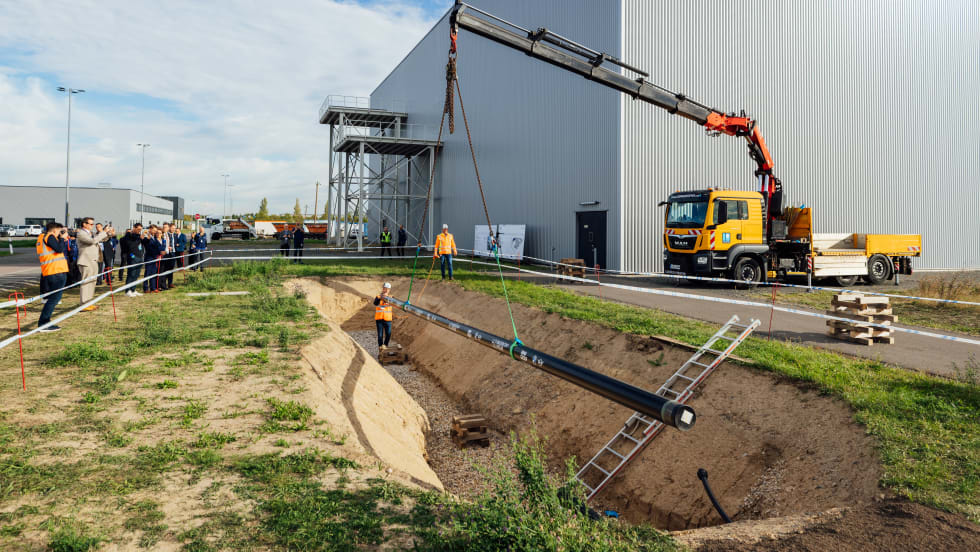
BMW Plant Pursues Cleaner Energy
BMW Group Plant Leipzig has utilized hydrogen to help power its production since 2013, but a new pipeline is planned to take it to another level.
Read More →
Auto Affordability Inches Up
The latest Cox Automotive and Moody’s Analytics index shows a slight increase in new-vehicle affordability despite high prices.
Read More →
Ohio Auto Group Under New Ownership
After 79 years with the Schluter family, Mansfield Auto Group has been acquired by Missouri-based Clement Auto Group.
Read More →
RV Group Expands Carolina Footprint
Blue Compass RV Columbia Northeast is the 13th RV dealership owned by Blue Compass in the Carolinas.
Read More →
Agent Acumen
An Agent Summit panel of people who’ve been supporting auto dealers for years gave both timely and timeless advice for those starting out or mulling the prospect.
Read More →
Missed Maintenance Creates Opportunity
As families get back on the road and into daily school routines, service drives have an opportunity to capture customers who are behind on recommended vehicle maintenance.
Read More →