



Automaker Favors Varied Auto Lineup to All EVs
Toyota Motor Corp. President Akio Toyoda says there is a silent majority who question whether automakers should pursue electric vehicles exclusively.

Toyota Motor Corp. President Akio Toyoda says there is a silent majority who question whether automakers should pursue electric vehicles exclusively.
IMAGE: Toyota
Toyota Motor Corp. President Akio Toyoda claims he’s among the auto industry’s silent majority who question whether automakers should pursue electric vehicles exclusively.
As automakers race ahead with large investments into EVs, challenges are mounting. Securing parts and raw materials for batteries has become an increasing problem. And some in the business question whether car buyers will transition to EVs as quickly as assumed as EV prices skyrocket.
“People involved in the auto industry are largely a silent majority,” Toyoda told reporters during a visit to Thailand. “That silent majority is wondering whether EVs are really OK to have as a single option. But they think it’s the trend so they can’t speak out loudly.”
Toyota is investing in a diversified vehicle lineup that includes hydrogen-powered vehicles and hybrids, which use both batteries and gas engines. This is in stark contrast to major competitors, such as General Motors and Honda Motor Co., both of which have set dates for when their lineups will be all electric.
Toyota sees hybrid technology as an important option as countries build out charging infrastructure. The automaker is also focusing on zero-emission vehicles powered by hydrogen.
“Because the right answer is still unclear, we shouldn’t limit ourselves to just one option,” Toyoda said.
Globally, automakers have pivoted to EVs and startups, such as Rivian Automotive and Lucid Group Inc., have moved into the fray. But this may be shortsighted as many legacy automakers have a broad base of consumers living in rural areas and in developing economies with unreliable electricity supplies.
J.D. Power research finds the market share for EVs in the U.S. has risen to 6.5% of the total new-car market. EV sales have grown faster in states like California, which have more EV options and consumers willing to make the switch.
Auto executives predict gas-powered and hybrid models will be part of the market for some time to come. “The coastal areas, the East and West Coast, that’s electrifying much quicker than the interior of the country,” said Jim Rowan, chief executive of Volvo Car AB.
Other Japanese automakers share Toyoda’s skepticism about a fully electric future. Mazda Motor Corp execs once questioned if EVs really were cleaner and expressed concerns that EV batteries were too big and expensive.
Nissan Motor Co. took a more cautious approach to EVs, waiting instead to see if EV demand would materialize. However, Nissan reported in 2021 plans to invest $14.7 billion to roll out new EV models. Now, Nissan CEO Makoto Uchida says the company may need to invest more money into EVs.
Still, Toyoda argues fully electric models aren’t the only way to reduce carbon emissions. He says hybrid vehicles sold in large volumes can deliver short-term impacts. “It’s about what can be done now,” he said.
Toyoda noted alternatives to EVs, such as hydrogen-powered vehicles, were getting a warmer reception from government officials, members of the media and others involved in the auto industry.
“Two years ago, I was the only person making these kinds of statements,” he said.
In 2021, Toyota revealed plans to invest $35 billion on its EV lineup through 2030. The automaker also has made sizable investments in EV manufacturing capacity in the U.S. since then.
Originally posted on Auto Dealer Today
More Industry

Penske Auto Group Deal a Record
The deal to take the dealership and transportation services company private sets a new pace for industry buy-sell transactions.
Read More →
War Toll a Damper on Used Auto Prices
Cox Automotive found wholesale depreciation to be elevated in September amid high fuel prices and this year's unusual hurricane season.
Read More →
Bridge the Maintenance Gap
With many drivers missing recommended maintenance, service departments offering transparency and efficiency have a better chance of reaching financially strained consumers.
Read More →
California Store Has New Owner
The longtime dealership in the northern part of the state is known for robust fleet sales and has served the state capital for 115 years.
Read More →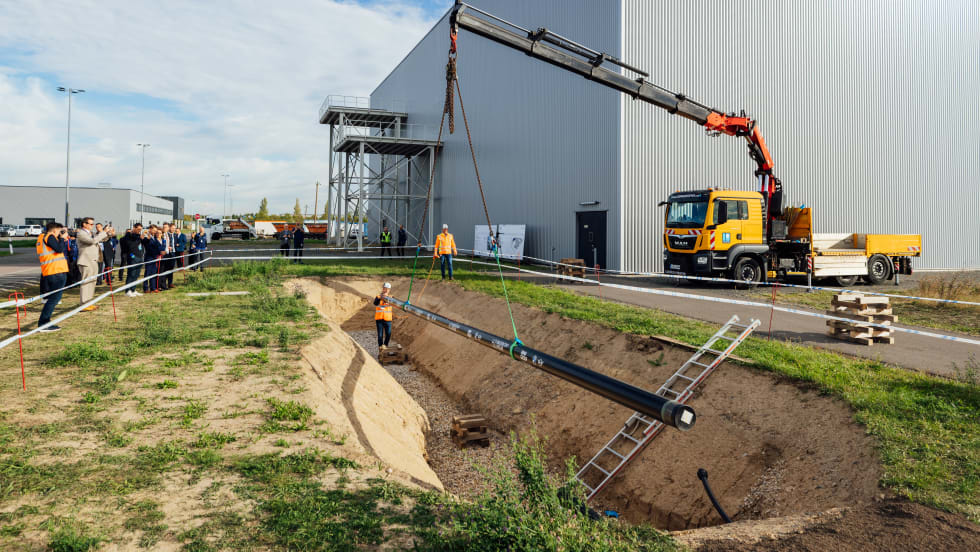
BMW Plant Pursues Cleaner Energy
BMW Group Plant Leipzig has utilized hydrogen to help power its production since 2013, but a new pipeline is planned to take it to another level.
Read More →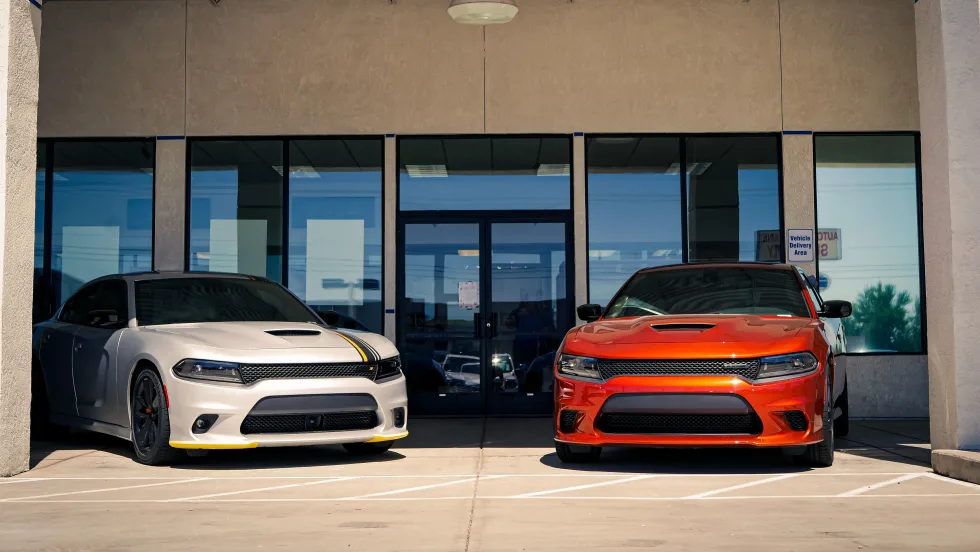
Auto Affordability Inches Up
The latest Cox Automotive and Moody’s Analytics index shows a slight increase in new-vehicle affordability despite high prices.
Read More →
Ohio Auto Group Under New Ownership
After 79 years with the Schluter family, Mansfield Auto Group has been acquired by Missouri-based Clement Auto Group.
Read More →
RV Group Expands Carolina Footprint
Blue Compass RV Columbia Northeast is the 13th RV dealership owned by Blue Compass in the Carolinas.
Read More →
Agent Acumen
An Agent Summit panel of people who’ve been supporting auto dealers for years gave both timely and timeless advice for those starting out or mulling the prospect.
Read More →
Missed Maintenance Creates Opportunity
As families get back on the road and into daily school routines, service drives have an opportunity to capture customers who are behind on recommended vehicle maintenance.
Read More →