



Auto Leasing Back To Highest Rate Since '05

Vehicle leasing, a popular financing option that dried up with credit during the recession, is rebounding, another sign of an improving economy and a recovering automotive industry.
That's good news for consumers attracted to leasing because it sometimes offers lower monthly payments plus a new car every couple of years. Automakers and dealers like leasing because it drives sales and keeps customers coming back to showrooms, reported The Detroit News.
"It really has stormed back," said John Sternal, vice president of Leasetrader.com, an online lease tracking firm, noting that automakers are advertising lease deals with monthly payments for under $199. "Just 14-16 months ago, that was unheard of."
The trend reflects improving economic conditions, with credit markets loosening and banks lending more freely at historically low interest rates. At the same time, used car values are strong, giving lenders confidence there will be a sound return at resale.
With automakers touting low monthly payments and eye-catching offers — including cash back and no money down at signing — customers are flocking back to dealer showrooms to lease cars and trucks.
But analysts warn that leasing poses risks for automakers. Because leased cars are resold every few years, too many deals at one time can flood the market with used cars, hurting resale values.
Leases accounted for an estimated 21 percent of new car sales in March. That followed a strong February, when leasing represented about one-quarter of all car and truck sales, the highest monthly lease rate since November 2005, according to Santa Monica, Calif.-based auto research firm, Edmunds.com.
Leading the comeback are Japanese automakers such as Honda Motor Co. and Nissan Motor Co., which are using lease deals to clear out old inventory and make room for new stock, analysts say.
In March, roughly one-third of Honda's U.S. sales were leases; for Nissan, leases accounted for 29.1 percent of sales, according to Edmunds.com.
Among Detroit's Big Three, General Motors Co. has been the most aggressive about promoting leasing this year. Leasing represented 14.2 percent of GM's March sales, down from 28.4 percent in February as the automaker ended some incentives, according to Edmunds.com.
GM continues to target consumers for leases, even offering deals on its entire Buick lineup. The automaker's momentum is fueled in part by its purchase last year of what is now known as GM Financial, which provides financing for moderate-risk borrowers.
Leases represented 16.9 percent of March sales for crosstown rival Ford Motor Co., according to Edmunds.com. That's up from 13.4 percent for the same month a year ago. Ford dealers are promoting lease deals on the Ford Fiesta and Fusion.
Chrysler Group LLC's leasing volume accounted for 15 percent of sales in March, up from 10.9 percent in the same month a year ago, Edmunds.com said. The Auburn Hills automaker is offering a slew of deals, including on its popular Jeep Grand Cherokee.
Industry experts say leasing volumes of about 25 percent of industry sales are considered healthy, but automakers must not slip back into an old bad habit: using irresistibly low lease rates to inflate sales numbers.
"The leasing dropped to such a small level for so long, it's like a whipsaw effect" now, said Karl Bauer, an auto industry analyst, formerly with research firm Edmunds.com. "It's only a good thing if the market is naturally supporting this."
Several years ago, American automakers glutted the market with attractive lease deals, only to find that leased vehicles were worth far less than expected when consumers turned them in.
The financial meltdown made matters worse. Credit markets seized up in late 2008, causing auto sales to plummet and wreaking havoc on automakers and lenders.
GM and Chrysler stopped leasing in the fall of 2008 when their lending arms — GMAC Financial Services and Chrysler Financial — shut down as the automakers hurtled toward bankruptcy. Other financial institutions also pulled back on auto loans as they struggled to stay afloat. Suddenly, consumers had one less option for getting a new car.
In 2009, leasing fell to 13.1 percent of U.S. auto sales, down from 19.1 percent in 2007, according to Southfield-based R.L. Polk Co., an auto research firm. Last year, leasing volumes rebounded to 18.9 percent of industry sales.
Some lease deals now, however, are giving analysts pause.
GM has been offering aggressive lease deals on its all-new 2011 Chevrolet Cruze, which went on sale in the fall, said former Edmunds.com analyst Bauer. Typically, automakers reserve leasing for luxury cars and aging models, not vehicles that just arrived in showrooms.
"That's where you get a little worried they're trying to move iron and buy market share," Bauer said.
GM officials contend they're merely bringing leasing back to healthy levels — between 15 percent and 20 percent of sales — and say they're being cautious about promotions.
The automaker was heavy on lease deals in January and February, but spokesman Tom Henderson noted that leases as a percentage of sales fell last month.
GM dealers say leasing promotions are helping drive sales.
"Three years ago, (leasing) was 70 to 75 percent of our business," said George Fowler, general manager for Superior Buick GMC Trucks in Dearborn. That business took a nosedive during the recession.
"It has come back like gangbusters," Fowler said, with leasing now accounting for more than half the dealership's sales.
Casey Cabana, a sales manager at Mark Chevrolet in Wayne, said his dealership is flourishing because of leasing. Its website prominently advertises the latest "Malibu Blowout Sale!" — $192 a month and nothing down.
"It's definitely driving showroom traffic," Cabana said.
More Industry

Penske Auto Group Deal a Record
The deal to take the dealership and transportation services company private sets a new pace for industry buy-sell transactions.
Read More →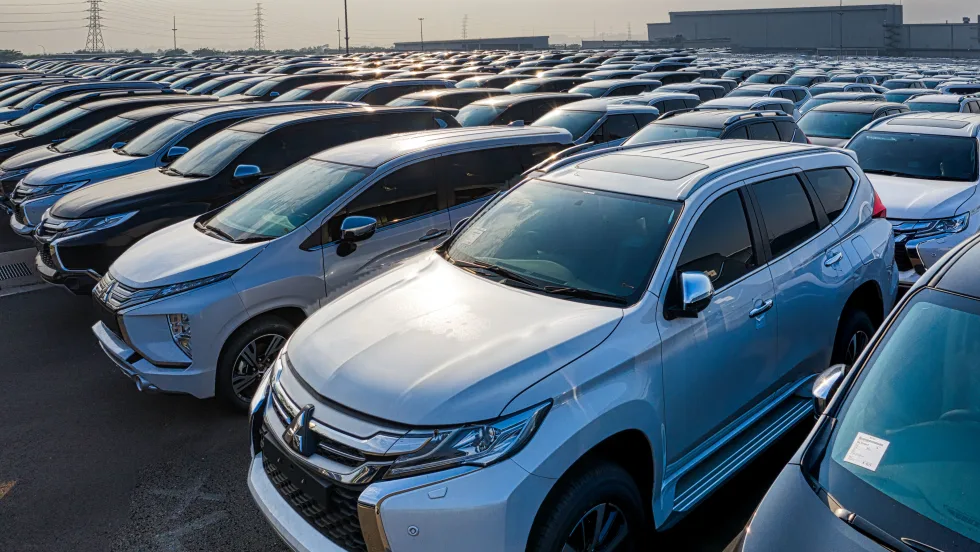
War Toll a Damper on Used Auto Prices
Cox Automotive found wholesale depreciation to be elevated in September amid high fuel prices and this year's unusual hurricane season.
Read More →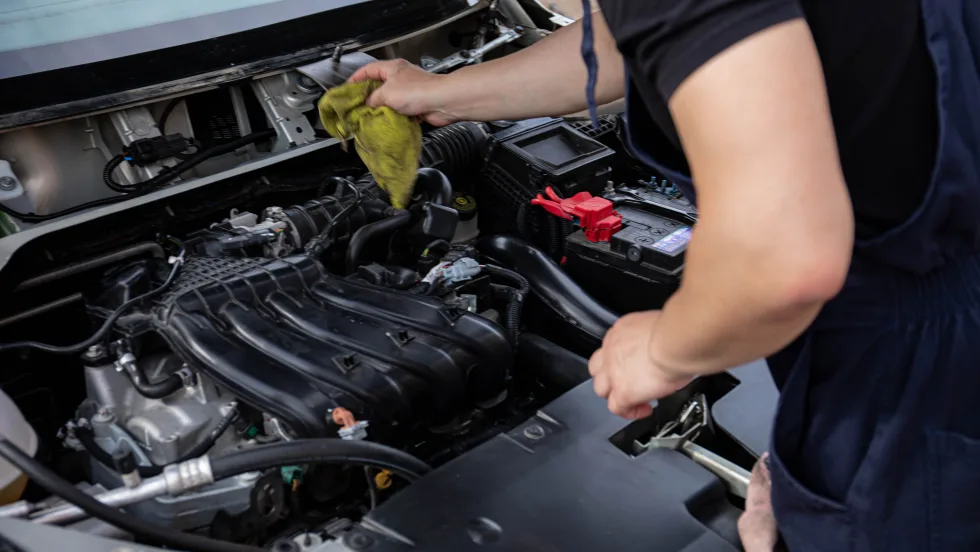
Bridge the Maintenance Gap
With many drivers missing recommended maintenance, service departments offering transparency and efficiency have a better chance of reaching financially strained consumers.
Read More →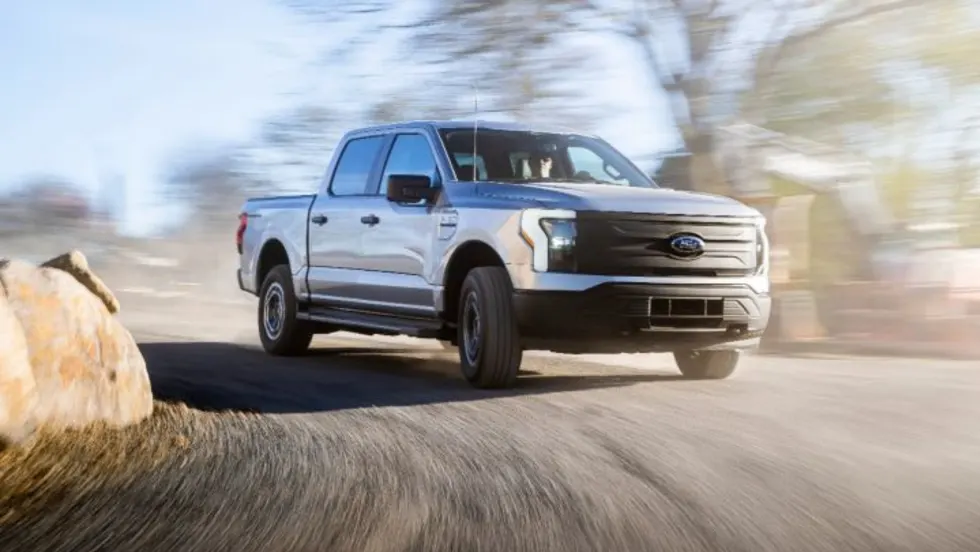
California Store Has New Owner
The longtime dealership in the northern part of the state is known for robust fleet sales and has served the state capital for 115 years.
Read More →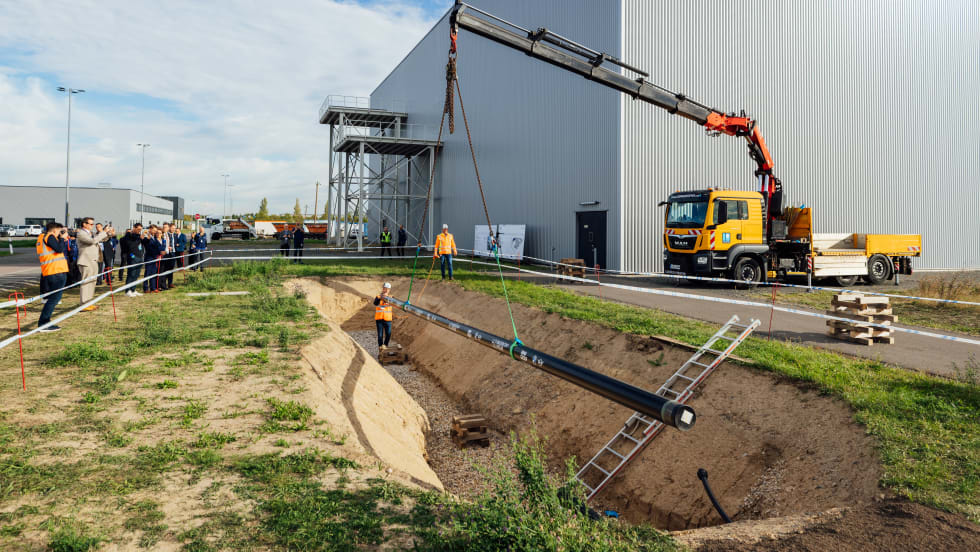
BMW Plant Pursues Cleaner Energy
BMW Group Plant Leipzig has utilized hydrogen to help power its production since 2013, but a new pipeline is planned to take it to another level.
Read More →
Auto Affordability Inches Up
The latest Cox Automotive and Moody’s Analytics index shows a slight increase in new-vehicle affordability despite high prices.
Read More →
Ohio Auto Group Under New Ownership
After 79 years with the Schluter family, Mansfield Auto Group has been acquired by Missouri-based Clement Auto Group.
Read More →
RV Group Expands Carolina Footprint
Blue Compass RV Columbia Northeast is the 13th RV dealership owned by Blue Compass in the Carolinas.
Read More →
Agent Acumen
An Agent Summit panel of people who’ve been supporting auto dealers for years gave both timely and timeless advice for those starting out or mulling the prospect.
Read More →
Missed Maintenance Creates Opportunity
As families get back on the road and into daily school routines, service drives have an opportunity to capture customers who are behind on recommended vehicle maintenance.
Read More →