



AEB Systems More Common But Could Be Better
Safety groups says many automakers now include such systems in most light vehicles.

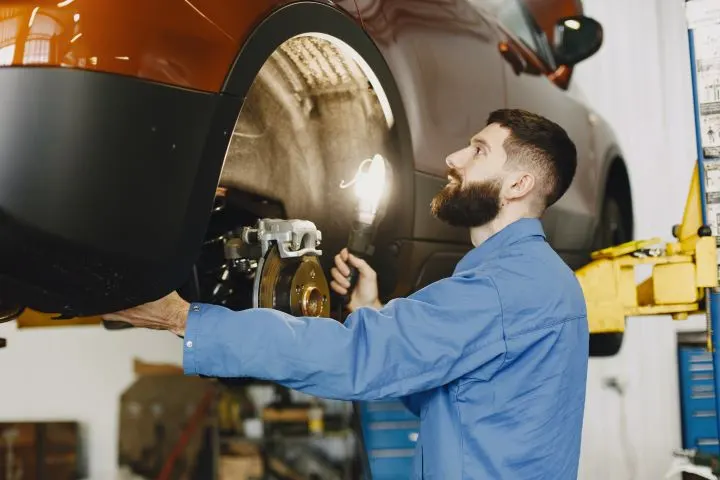
IIHS says front crash-prevention systems aren’t as effective in collisions with motorcycles and large trucks as with cars.
IMAGE: Pexels/Gustavo Fring
Nearly two dozen automakers have started to include automatic emergency braking in most light vehicles they make for U.S. consumers, though a safety group that helped forge the agreement says front crash-prevention systems could be improved.
The nonprofit Insurance Institute for Highway Safety said 20 vehicle producers met a voluntary commitment to equip new vehicles with the technology, installing it in 95% of the light vehicles they made by the year ended Aug. 31.
The fulfillment met the deadline of an agreement made in 2016 by the automakers that was brokered by the institute and federal safety regulator the National Highway Traffic Safety Administration. Consumer Reports monitored progress.
“Car buyers today will find that almost any new vehicle they buy comes standard with a city-speed AEB system, typically with pedestrian detection. This is significant progress, and it sets the stage for the strong federal safety standards that have been proposed,” said Consumer Reports Associate Director of Safety Policy William Wallace in a statement.
The pledge required automakers to install AEB on 95% of their light vehicles up to 8,500 pounds that slows the vehicle in low-speed tests that determine whether a model meets the institute’s advanced rating in a front crash-prevention evaluation.
This year, the NHTSA proposed that all new passenger vehicles with gross weight of 10,000 pounds or less have AEB that can avoid crashes at up to 50 mph.
The institute, meanwhile, says front crash-prevention systems aren’t as effective in collisions with motorcycles and large trucks as with cars. It says they cut rear-end crashes with the former vehicle types by 41% and 38%, respectively, but by 53% with cars.
“These reductions are impressive for all vehicle types, but the safety benefits could be even larger if front crash prevention systems were as good at mitigating and preventing crashes with big trucks and motorcycles as they are with cars,” said institute Vice President of Research Jessica Cicchino.
Originally posted on Auto Dealer Today
More Industry

Penske Auto Group Deal a Record
The deal to take the dealership and transportation services company private sets a new pace for industry buy-sell transactions.
Read More →
War Toll a Damper on Used Auto Prices
Cox Automotive found wholesale depreciation to be elevated in September amid high fuel prices and this year's unusual hurricane season.
Read More →
Bridge the Maintenance Gap
With many drivers missing recommended maintenance, service departments offering transparency and efficiency have a better chance of reaching financially strained consumers.
Read More →
California Store Has New Owner
The longtime dealership in the northern part of the state is known for robust fleet sales and has served the state capital for 115 years.
Read More →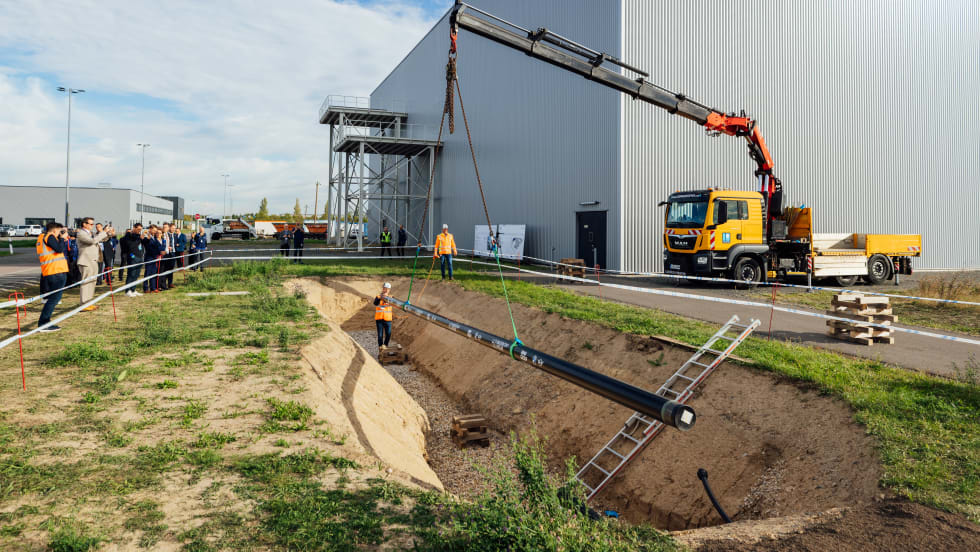
BMW Plant Pursues Cleaner Energy
BMW Group Plant Leipzig has utilized hydrogen to help power its production since 2013, but a new pipeline is planned to take it to another level.
Read More →
Auto Affordability Inches Up
The latest Cox Automotive and Moody’s Analytics index shows a slight increase in new-vehicle affordability despite high prices.
Read More →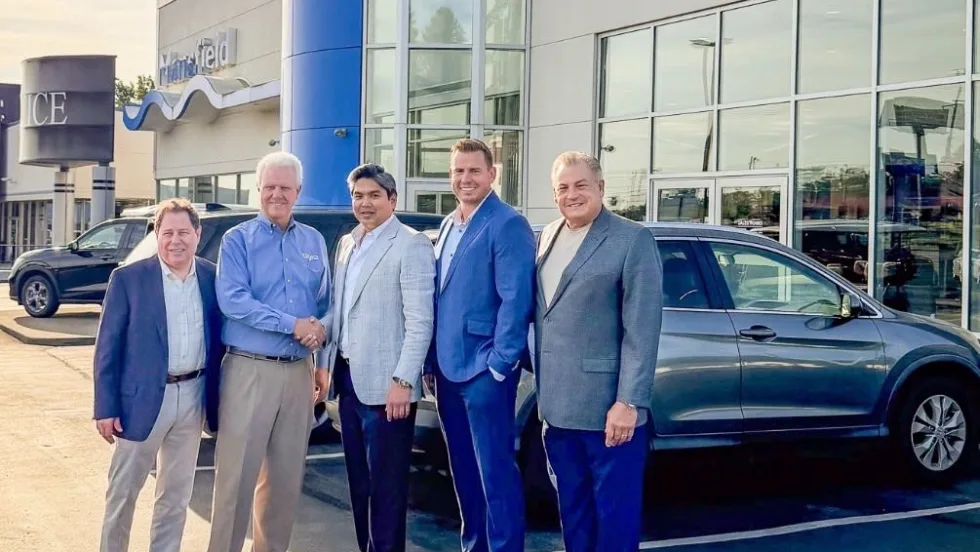
Ohio Auto Group Under New Ownership
After 79 years with the Schluter family, Mansfield Auto Group has been acquired by Missouri-based Clement Auto Group.
Read More →
RV Group Expands Carolina Footprint
Blue Compass RV Columbia Northeast is the 13th RV dealership owned by Blue Compass in the Carolinas.
Read More →
Agent Acumen
An Agent Summit panel of people who’ve been supporting auto dealers for years gave both timely and timeless advice for those starting out or mulling the prospect.
Read More →
Missed Maintenance Creates Opportunity
As families get back on the road and into daily school routines, service drives have an opportunity to capture customers who are behind on recommended vehicle maintenance.
Read More →