



You Sold the Car — Now Keep the Customer
Stay connected to buyers, assessing their needs and pain points to make your service drive their go-to.
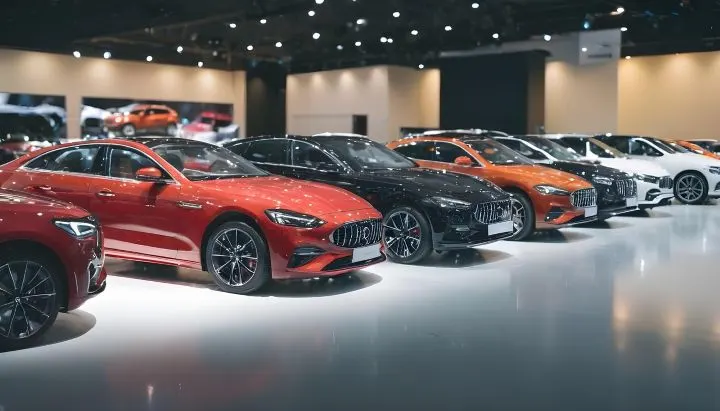
If convenience is a barrier, amenities like pickup and delivery or access to loaner vehicles — particularly in the luxury segment — can help bridge the gap.
Pixabay
Most dealers understand when an auto buyer drives off the lot with a new vehicle that it isn’t the end of the customer journey — it’s the beginning. The value of the service department as a source for short-term revenue and profit is well-established in the industry.
It’s also generally accepted that service plays a fundamental role in long-term loyalty, and more specifically, whether a customer returns to the dealership to purchase the next vehicle. But while the connection is acknowledged in broad terms, it hasn’t always been backed by clear, measurable data. In fact, according to research conducted in January by The Harris Poll on behalf of Urban Science, only 38% of dealers strongly agree they have the tools and analysis needed to assess the opportunity for new-vehicle sales in their service lanes.
Urban Science was recently approached by a leading luxury automotive brand seeking to better understand how service retention influences repurchase behavior. The resulting insights provide a data-driven framework for brands looking to turn routine service engagement into sustained loyalty, increased service revenue and repeat sales.
The Link Between Service and Sales
The OEM referenced above was exploring the development of a loyalty program but lacked the concrete data to justify and inform it. While internal sentiment suggested high customer loyalty, there was no clear way to measure the number of service customers who ultimately returned to purchase their next vehicles. The company needed to determine whether it already had a well-established service-to-sales conversion process in place, and where untapped opportunities might exist to enhance brand loyalty and long-term profitability within its dealer network.
To answer the questions, Urban Science analyzed 7.8 million customer data points spanning 3½ years, matched at the household level. The study focused on 1.09 million households that had purchased a vehicle in the second year of the time frame and were therefore eligible to have engaged in dealership service in the prior 12 months.
The analysis segmented customers into two groups: active customers who had been serviced with the brand at some point in the last 12 months, and inactive customers who had switched to an independent repair facility after making a purchase. The difference in repurchase behavior between the two groups was significant. While 48.7% of active customers returned to purchase another vehicle from the brand, only 37.8% of inactive customers did the same — an 11 percentage-point gap.
Understanding Defection Drivers
In addition to quantifying the impact of service engagement on brand loyalty, the study provided insight into why customers defected and where they went. Of those who defected to another automaker, 57% chose nonluxury competitors, suggesting that cost played a central role in their decision-making. That tracks with broader auto-buying trends. In the 2025 Urban Science Harris Poll Study, 64% of auto buyers identified vehicle affordability as their top concern, and more than half reported they were considering more budget-friendly options for their next vehicle purchases.
Even among customers who remained within the same brand umbrella, price-related migration was evident. Almost a fourth – 24% – of active service customers and 23% of inactive service customers transitioned to the brand’s nonluxury counterpart for their next purchases. While the shift may reduce per-unit revenue, it also signals an opportunity to preserve valuable customer relationships. The buyers didn’t leave the brands altogether, indicating that with the right retention levers, dealers and OEMs can keep customers in the fold, even as their needs and budgets evolve.
With price sensitivity top of mind for auto buyers, dealers must also factor cost competitiveness into their approaches to service retention, striking a balance between maintaining profitability and keeping service affordable enough to encourage return visits. If price is a potential weak spot, quality should be the differentiator. Dealerships offer distinct advantages: brand-trained technicians, direct access to OEM parts, and service processes that meet higher technical standards — competitive strengths most independent shops simply can’t match. In fact, 62% of auto buyers believe service is better at a dealership than at a general repair shop, and 38% strongly agree that dealerships provide unique value that independent shops don’t. Those perceptions reinforce the importance of emphasizing quality, trust and expertise in every client interaction.
Tailored Strategies to Retain Customers
Having established the extent to which service drives sales, the next question is what dealers and OEMs can do to increase both service retention and vehicle purchases. For active service customers, the goal should be to reinforce satisfaction and loyalty with every visit, delivering white-glove service and prioritizing programs and communications that make the customer feel valued. The customers are already showing up, so the focus should be on keeping them engaged and minimizing the risk of defection.
Inactive customers require a different strategy. Re-engaging the individuals means identifying the root causes of their defections and addressing them. Most often, defection is tied to price or convenience. If price is the issue, targeted outreach and service offers may bring those customers back. If convenience is a barrier, amenities like pickup and delivery or access to loaner vehicles — particularly in the luxury segment — can help bridge the gap.
Service Loyalty ROI
The findings from the analysis reinforced what many in the industry have long understood intuitively: Service-loyal customers are more likely to repurchase, and inactive customers represent a defection risk. What sets the framework apart is its ability to measure that impact with precision, allowing OEMs and dealers to evaluate whether their retention strategies are effective, how well they are working and with which customers.
The study for the brand identified two key areas of opportunity: strengthening retention among active customers through a structured loyalty program or package, and re-engaging inactive customers with personalized offers and proactive marketing. The payoff could be significant. Urban Science found increasing service retention by just one percentage point could yield an additional $100,000 in annual service revenue for the average dealer. On the sales side, a one-point lift in vehicle purchases could generate $700,000 more per year.
Keeping buyers engaged for the long haul is a highly profitable strategy, and it hinges on linking routine service interactions to broader business goals. How is that achieved in practice? By using data to pinpoint where value is created and where that value may be eroding — and aligning tactics accordingly.
LEARN MORE: Customers Explain What They Want in Car Servicing
Piermichele Robazza serves as global practice director, aftersales performance for Urban Science, an automotive consultancy and technology firm serving original equipment manufacturers and dealers, along with AdTech companies that support them.
More Industry

Penske Auto Group Deal a Record
The deal to take the dealership and transportation services company private sets a new pace for industry buy-sell transactions.
Read More →
War Toll a Damper on Used Auto Prices
Cox Automotive found wholesale depreciation to be elevated in September amid high fuel prices and this year's unusual hurricane season.
Read More →
Bridge the Maintenance Gap
With many drivers missing recommended maintenance, service departments offering transparency and efficiency have a better chance of reaching financially strained consumers.
Read More →
California Store Has New Owner
The longtime dealership in the northern part of the state is known for robust fleet sales and has served the state capital for 115 years.
Read More →
BMW Plant Pursues Cleaner Energy
BMW Group Plant Leipzig has utilized hydrogen to help power its production since 2013, but a new pipeline is planned to take it to another level.
Read More →
Auto Affordability Inches Up
The latest Cox Automotive and Moody’s Analytics index shows a slight increase in new-vehicle affordability despite high prices.
Read More →
Ohio Auto Group Under New Ownership
After 79 years with the Schluter family, Mansfield Auto Group has been acquired by Missouri-based Clement Auto Group.
Read More →
RV Group Expands Carolina Footprint
Blue Compass RV Columbia Northeast is the 13th RV dealership owned by Blue Compass in the Carolinas.
Read More →
Agent Acumen
An Agent Summit panel of people who’ve been supporting auto dealers for years gave both timely and timeless advice for those starting out or mulling the prospect.
Read More →
Missed Maintenance Creates Opportunity
As families get back on the road and into daily school routines, service drives have an opportunity to capture customers who are behind on recommended vehicle maintenance.
Read More →