



Transforming Through Transition
Jimmy Atkinson, CEO of AUL Corp., predicts quick changes are required to position dealers and manufacturers for the future as the automotive industry reinvents itself post-pandemic.
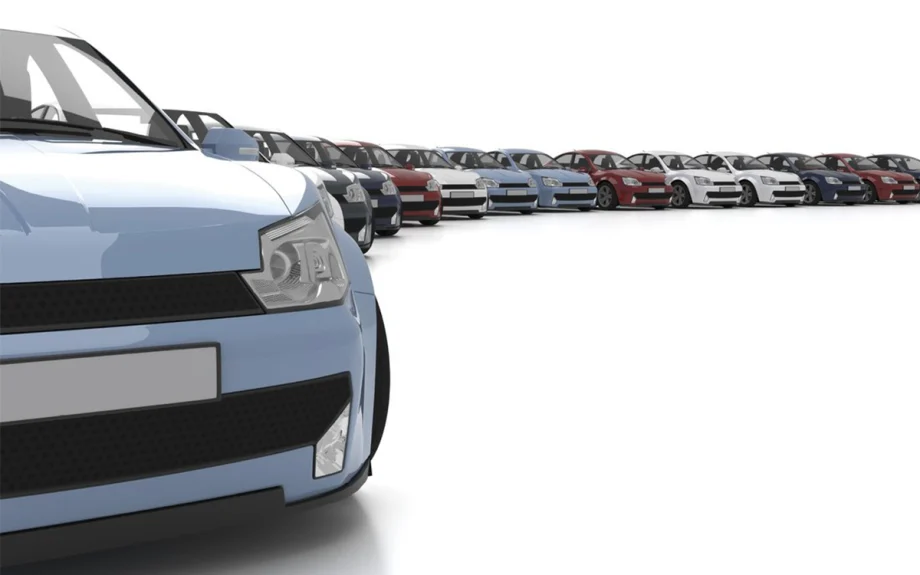
Jimmy Atkinson, CEO of AUL Corp., predicts quick changes are required to position dealers and manufacturers for the future as the automotive industry reinvents itself post-pandemic.
IMAGE: Getty
Dealers and manufacturers must respond quickly to changes in the sale, financing and protection of gas and electric vehicles to ensure their businesses thrive in the years ahead, says Jimmy Atkinson, president and CEO of AUL Corporation.
“Customers always wanted more transparent, faster and easier processes to buy, finance and take delivery of a vehicle, whether new or used,” he says. “When COVID prevented people from coming into dealerships, dealers urgently embraced a new business model requiring touchless digital delivery of all products, including vehicles.”
For years, traditional businesses concluded face-to-face transactions with a handshake. Now virtual meetings require dealerships to deliver products and information electronically. Even though travel resumed, and F&I salespeople can return to dealerships, agents discovered it is efficient to balance some travel time with remote work, he adds.
There are some storm clouds on the horizon. Smaller dealers are being acquired by larger dealer groups and even firms in the F&I industry are merging. Companies started in the 1970s and 1980s are owned by people reaching retirement age who want to exit their businesses, and smaller firms seeking capital agree to be acquired by larger entities.
“Even large broker groups, agent-driven groups and third-party administrators are aggressively buying agencies to roll up distribution and ensure they have a channel into dealerships,” says Atkinson.
Consolidation may bring great wealth for agencies and opportunity to deliver value for administrators, but the process creates risks for the F&I industry.
“If we continue to consolidate companies and bring in a new investor at the top every few years, at some point it becomes a game of value creation for principals and not necessarily value for the business,” says Atkinson. “Any kind of merger or acquisition should be based on value created by combining two entities so that one plus one equals three or four, rather than just creating an exit strategy.”
Dealership consolidation also means agencies may lose long-time business relationships after a merger because the buyer imposes its system or provider on the acquired company.
The risk is that If an agency or administrator remains a small player, it becomes increasing challenging to compete with investment resources offered by bigger players, like information technology, systems solutions and product development, he adds.
Evolving Consumer Expectations
For years, dealers and providers realized it was easier to sell products once they made a strong presentation to buyers in an F&I office and customers saw value in products to protect their investments. For example, service contract penetration increased for AUL, as used car prices climbed, and consumers saw value in protecting more expensive vehicles for as long as they’ll own it.
“In the past, dealers wanted face-to-face conversations in an F&I office to explain a product’s features and benefits,” says Atkinson. “Today, dealers can make presentations digitally through the web or with videos to educate consumers without them having to be in a dealership.”
That’s a critical paradigm shift because dealer revenue largely depends on transactions taking place in an F&I office, but COVID expedited outside-the-box thinking to serve consumers away from the office.
Atkinson noted Tesla created an easy buying process allowing people to purchase vehicles by phone and have them delivered. Although it made Tesla appear to be divinely inspired ahead of the pandemic, it was actually a process born out of necessity because the firm was running out of cash and couldn’t continue to open many sales centers, he explains.
Ultimately, Elon Musk learned that type of service is what consumers wanted. Carvana and CarMax developed similar marketing strategies promoting an easier sales process while assuring buyers they could trust the firms.
“Customers want a fast, easy, seamless process, but it may be a while before we see that at most dealerships due to integration and system challenges,” says Atkinson.
Consumers who buy cars sight unseen are early adopters to the new process; however, most buyers still want to look at and touch a vehicle before buying it, he explains.
While most traditional car sales are negotiated, Tesla sells every car at full price. The firm proved there are people who want to buy cars online. This was assisted by the limited number of players in the EV space to this point.
“Those buyers will risk not getting a car they are 100% happy with in order to make the process easier,” says Atkinson. “However, over time, people will want to drive a vehicle to decide which electric vehicle they want. There will need to be a facility for them to do it.
“There is large demand from consumers who still want to touch and drive a car before buying,” he adds. “The highest emotional point in a vehicle purchase is when someone gets in a car, drives it and falls in love with it. That’s when they say, ‘I have to take this home with me.’”
The need for that experience will diminish over time as the industry shifts to accommodate people who are comfortable buying a car sight unseen, he says.
The subscription model of car ownership is also fading away post-COVID. Subscriptions were priced to high for the average consumer and when combined with the shift away from cities and metropolitan areas made it an even tougher sell.
“Two years ago, people planned to live in cities and use Uber to get around,” says Atkinson. “Today, people are moving away from big cities, and they don’t want to ride in a car with a stranger if they don’t have to.”
Integration Challenges
With multiple lenders, F&I providers and even manufacturers, dealerships operate on various computer systems and platforms—all using different technologies. Administrators log in and out of networks all day. The challenge is to adapt decades of legacy computer systems to share data quickly and easily in a seamless environment.
“Tesla is a great example of building something from scratch to create a digital-delivery system to speed transactions,” says Atkinson. “Our industry works very hard to create an umbrella over everything to bring systems together to deliver information seamlessly. From what I gathered at Agent Summit in August; I think it’s all going to come together pretty rapidly.”
Electric Momentum
Rising demand for electric vehicles will bring about F&I changes. Providers of ancillary products like tire, wheel and windshield protection will still have demand for those products. However, without engines, transmissions and powertrains, the challenge for vehicle service contracts is to adapt to these new products., he predicts.
As a result, new products that treat cars like computers are being developed.
“In some ways, it will be less costly for consumers to own electric vehicles because maintenance and repair costs are lower without as many moving and lubricated parts,” he explained. “Still, there is a lot of technology in vehicles today—even gas cars—and that will create a need for new products.
“Our company does a lot of work in the used vehicle space, and it will be decades before we run out of customers buying gas-powered used cars,” he adds. “But a shift is underway, and products will be developed around electric vehicles.”
With all the changes, it’s important for F&I agents and providers to constantly grow their businesses to absorb losses expected over time. There is still plenty of room for smaller agencies to thrive, and even for new companies to start-up if they can bring solutions and answers, dealerships and manufacturers can’t provide internally, says Atkinson.
“Agents need to find their strength, whether it is in training, developing new programs or drawing attention to numbers at a store,” he adds. “If a dealer sees opportunity and you can help them drive sales, you’ll succeed once you determine where your strength lies.”
Originally posted on P&A Magazine
More Industry
Penske Auto Group Deal a Record
The deal to take the dealership and transportation services company private sets a new pace for industry buy-sell transactions.
Read More →
War Toll a Damper on Used Auto Prices
Cox Automotive found wholesale depreciation to be elevated in September amid high fuel prices and this year's unusual hurricane season.
Read More →
Bridge the Maintenance Gap
With many drivers missing recommended maintenance, service departments offering transparency and efficiency have a better chance of reaching financially strained consumers.
Read More →
California Store Has New Owner
The longtime dealership in the northern part of the state is known for robust fleet sales and has served the state capital for 115 years.
Read More →
BMW Plant Pursues Cleaner Energy
BMW Group Plant Leipzig has utilized hydrogen to help power its production since 2013, but a new pipeline is planned to take it to another level.
Read More →
Auto Affordability Inches Up
The latest Cox Automotive and Moody’s Analytics index shows a slight increase in new-vehicle affordability despite high prices.
Read More →
Ohio Auto Group Under New Ownership
After 79 years with the Schluter family, Mansfield Auto Group has been acquired by Missouri-based Clement Auto Group.
Read More →
RV Group Expands Carolina Footprint
Blue Compass RV Columbia Northeast is the 13th RV dealership owned by Blue Compass in the Carolinas.
Read More →
Agent Acumen
An Agent Summit panel of people who’ve been supporting auto dealers for years gave both timely and timeless advice for those starting out or mulling the prospect.
Read More →
Missed Maintenance Creates Opportunity
As families get back on the road and into daily school routines, service drives have an opportunity to capture customers who are behind on recommended vehicle maintenance.
Read More →