



The New 372-Page CARS Rule: How to Avoid Being Prosecuted or Sued
A simple cheat sheet that can help you prepare in the likely event that the regulation will take effect.


O'Loughlin advises dealers to go ahead and prepare now instead of waiting on pending litigation over the rule to resolve.
IMAGE: Pexels/Gustavo Fring
On Dec. 12, the Combating Auto Retail Scams Rule, or CARS, was promulgated by an activist Federal Trade Commission. It will take effect on July 30, and creates significant new perils for dealers.
In the briefest terms, CARS mandates the following:
The offering price, total payments, and voluntary protection products pricing must be clearly explained and disclosed.
Voluntary protection products must offer true objective value.
Consumers must provide dealers with express and informed consent.
The FTC clearly seeks to amplify disclosures and explanations that must be provided to consumers and, in so doing, create a clear record for prosecuting and litigating dealers for their disclosure failures. Prohibiting junk fees and deceptive trade practices are the government’s objectives. There doesn’t appear to be anything truly new in CARS, just a substantial augmentation of what is currently legally demanded. This is not to say that CARS won’t require new disclosures and protocols, as it probably will, after it’s been thoroughly reviewed and applied. But dealers should re-examine their compliance protocols in certain key areas to avoid CARS from being used against them.
New laws create urgency in all forms of enforcement by all agencies.
Whenever new laws are enacted to police commercial activity, state, federal and private plaintiffs become motivated to take legal action regarding, not only the new law, but other related consumer-protection laws. In addition, both the FTC and the Consumer Financial Protection Bureau have been encouraging state agencies to advance their federal agendas, which undoubtedly will include CARS.
Basic rules to avoid being prosecuted or sued – how do prosecutors and plaintiffs decide which dealers to prosecute?
Every dealer should know all the laws and follow each one diligently and without fail. But is this possible? It probably isn’t because the regulatory burden is substantial. How do government agencies and attorneys decide which dealers to target? Answer: They track the most obvious issues that come to their attention. Dealers need to prioritize their compliance efforts in two areas to avoid this attention: advertising and consumer complaints. The vast majority of cases are brought due to deceptive advertising and unresolved consumer complaints. Controlling these two aspects of dealers’ businesses will reduce the chances of legal problems by approximately 70%.
Regulators’ favorite case –deceptive advertising
Government regulators must generate cases as part of their jobs. What could be easier for these regulators than tracking dealer advertising from their offices that is available online or through print or other media? These cases can be quickly developed and are simple to prove. Statutory damages, usually around $10,000 per infraction, can be expensive. In addition, identified dealerships are now on the list of perceived law breakers for future investigations, an unenviable situation.
The most damaging and dangerous cases – consumer complaints
If regulators receive several complaints regarding a particular dealer, it’s likely that an investigation will be initiated. This means that subpoenas may be served, and copious files will be audited for not only the reasons for which the consumers complained, but for all other detectible legal transgressions. In other words, dealers are enormous targets when regulators examine all their operations.
Three remedies all dealers should implement
There are remedies all dealers should immediately implement:
Appoint a compliance officer who oversees advertising, consumer complaints, and other compliance issues.
Know the advertising laws and follow them.
Establish a rigorous consumer-complaint protocol so that these complaints are resolved and are never filed with a state agency, attorney or on a website.
Regardless of the final interpretation and application of CARS, these remedies will be a foil to being a defendant. The time to act is now.
ABOUT THE AUTHOR
Terry O’Loughlin is director of compliance for Reynolds & Reynolds and is admitted to the Pennsylvania and Florida Bars. Before joining Reynolds, he was employed by the Florida Office of the Attorney General, where he investigated automobile dealers and financing sources. He previously was a public accountant.
Originally posted on F&I and Showroom
More Industry

Penske Auto Group Deal a Record
The deal to take the dealership and transportation services company private sets a new pace for industry buy-sell transactions.
Read More →
War Toll a Damper on Used Auto Prices
Cox Automotive found wholesale depreciation to be elevated in September amid high fuel prices and this year's unusual hurricane season.
Read More →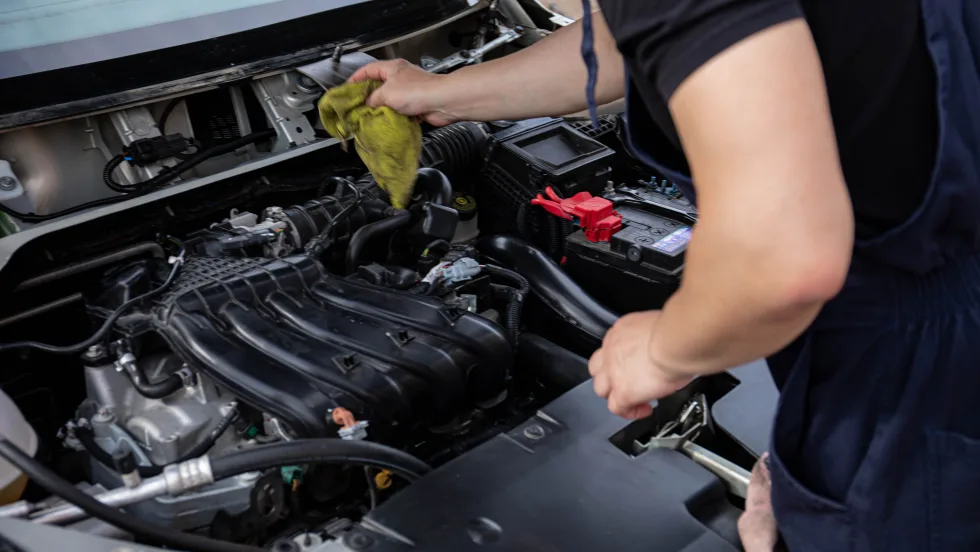
Bridge the Maintenance Gap
With many drivers missing recommended maintenance, service departments offering transparency and efficiency have a better chance of reaching financially strained consumers.
Read More →
California Store Has New Owner
The longtime dealership in the northern part of the state is known for robust fleet sales and has served the state capital for 115 years.
Read More →
BMW Plant Pursues Cleaner Energy
BMW Group Plant Leipzig has utilized hydrogen to help power its production since 2013, but a new pipeline is planned to take it to another level.
Read More →
Auto Affordability Inches Up
The latest Cox Automotive and Moody’s Analytics index shows a slight increase in new-vehicle affordability despite high prices.
Read More →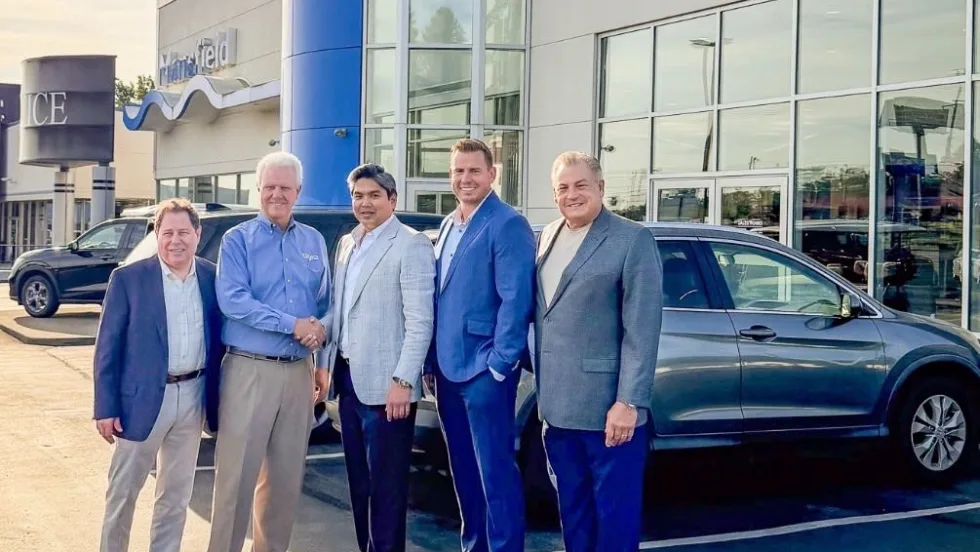
Ohio Auto Group Under New Ownership
After 79 years with the Schluter family, Mansfield Auto Group has been acquired by Missouri-based Clement Auto Group.
Read More →
RV Group Expands Carolina Footprint
Blue Compass RV Columbia Northeast is the 13th RV dealership owned by Blue Compass in the Carolinas.
Read More →
Agent Acumen
An Agent Summit panel of people who’ve been supporting auto dealers for years gave both timely and timeless advice for those starting out or mulling the prospect.
Read More →
Missed Maintenance Creates Opportunity
As families get back on the road and into daily school routines, service drives have an opportunity to capture customers who are behind on recommended vehicle maintenance.
Read More →