



Tangible and Intangible - Customizing Presentations to Deliver Success


Tangible and Intangible - Customizing Presentations to Deliver Success
No F&I department can survive off service contracts, GAP and reserve alone. In order to achieve a solid PVR without the reliance on those three products, the F&I office has to be very, very good at what we have learned to call tangible and intangible products. These unique types of offerings need to be presented separately to the consumer, because the consumer buys tangibles differently than they buy intangibles. Being very good at both is a solid plan to increase PVR and to meet each customer’s unique needs.
Intangible products are the fear of loss products – service contracts, GAP, identity theft, and credit insurance. They offer the consumer protection in the event of a mechanical breakdown, an insurance event where their vehicle is deemed a total loss, or if their Identity is stolen. Intangible products offer protection against future problems such as an unforeseen change in a customer’s financial picture that could come at a great financial loss to the customer.
Tangible products are products that can be described with visual words – rips, tears, ding, dent, interior, exterior, loss of gloss, burns, and road hazards. They are the appearance products that encompass tire and wheel protection, paintless dent removal and offer paint and interior fabric protection. These products offer the advantage of providing coverage that does not exist on a vehicle otherwise, even with new vehicles still covered by the manufacturer’s warranty. Tangible products offer the customer protection in many of the areas a warranty does not cover.
Differing Your Menu Presentation
You must embrace a process that separates these two types of products. We discourage a process that comingles these two types of product offerings, because they should be offered completely differently. We train F&I managers to understand that if they are not successful selling intangibles, that buyer may still buy the tangibles, or vice versa.
By presenting tangibles and intangibles separately, you can still present tangible products to the customer who is very vocal about not wanting or needing intangible coverage. Often these customers are interested in tangible products. These are the products that a customer can immediately see the results of – such as sealants that protect the vehicle from various environmental damage, eliminating their need to wax. Even a hard to sell customer with no problem paying possible repair bills in the future can see the value in a product that can prevent them from ever having to wax their car to maintain its appearance.
There are many menus to choose from, and I truly attribute our success to choosing the right one. We have created an interactive component to the menu that gives the F&I manager and the consumer more interaction and involvement in the process. The program is successful because it separates tangibles from intangibles, along with providing an interactive experience.
The consumer feedback on our interactive menu has been unparalleled. I have some business managers, and even salespeople who were working in the mall as recently as three months ago who are now in a “Start to Finish” or “A to Z” sales process and are now using the menu successfully. Today, they are seeing solid CSI and profits. After the F&I manager or salesperson utilizes the interactive component of the menu, it then provides a smooth transition to a full disclosure of the complete transaction for signatures.
Tangible Products
Tangible products offer a great opportunity to commit the customer not only for profitability, but also for retention. They add value to a vehicle when it comes time to trade it in, because tangible products protect the vehicle’s appearance. Making this clear to customers can make buyers out of many customers - especially those who plan on keeping their car for only a few years. They also offer great appeal to lease customers. Tangible products will prevent them from having to pay for visual damage at the end of the lease. Educating the customer of the future benefits of tangible products is a great way to start a conversation with them.
Tangible products such as theft recovery products, planned maintenance and appearance programs provide built in retention components, including vehicle replacement benefits, service retention, and increased trade values at the issuing dealer.
To sell tangible products, you have to get the customer to recall a situation where something occurred with their vehicle in the past, which could have been remedied by a tangible product’s coverage. Use visual words to describe the scenario and be as descriptive as possible. Get them to imagine the sinking feeling in the pit of their stomach when they hit a giant pothole and realize they have just ruined one or more of their shiny new wheels. Bring to the customer’s mind the way a car’s appearance looks after the newness wears off. No one sets out planning to eat and drink in their new car, but inevitably, it happens, with spills and stains as the result - especially when children are in the vehicle. Describe the products in a way that illustrate how the customer would have benefitted from their coverage in the past. Use real life scenarios.
Customers buying luxury cars are ideal candidates for tangible products. They may not be worried about the cost of a potential mechanical repair in the future since they feel they can afford the cost. But, if they are spending top dollar on a car, then chances are, they will want to ensure that their vehicle stays shiny and new, both inside and out. When presented well, products that guarantee their cars’ appearance will be maintained throughout the course of their ownership, will be of real value to these customers.
Intangible Products
While intangible products do not offer immediate results, they protect the customer from exposure to risks down the road. Intangible products can be especially appealing to customers who are buying new mid-level or lower-end used vehicles, and who don’t have much cash to spare at the end of the month. A costly repair or loss would cause a significant strain on their finances. The various types of service contracts offer protection in the case of a mechanical breakdown for a relatively small correction in the consumer’s monthly payment.
GAP, or Guaranteed Auto Protection, provides financial compensation for the customer if an accident occurs that results in the vehicle being deemed a complete loss. It pays the amount that exceeds what the customer receives from their auto insurance policy. If a customer pays $20,000 for a vehicle and the car is totaled in an accident, they could still owe as much as $5,000, even after their insurance pays their finance company. Their auto insurance policy may be written to pay out only the current depreciated value at the time of the accident, rather than paying off the full amount the customer financed. GAP is a must for anyone putting down less than 20% and for all lease and finance customers, if it is not already included as part of their lease. Theft coverage provides the same coverage if their car is stolen.
Credit insurance, also an intangible product, protects the customer in a situation that causes them to be unable to make the payments. It provides coverage if a customer is laid off or if they become ill or injured and can't work. It also provides coverage if the customer dies.
Before the Presentation and After the Purchase
You never know which type of products a customer will choose. It is not something you can predict, nor do you want to. The process does not work when you start deciding that you know what the customer will buy. It is very important to offer all products to every customer. Some trainers recommend using an interview process to determine the customer’s needs. I, however, disagree with this approach.
Whenever you use a process that decides what products you are going to offer based off the interview, it starts the breakdown of actual use of the menu process itself. I am also of the opinion that often in an interview process, a customer feels “set up.” And causing a customer to have their guard up before you even begin your presentation is never a good way to start!
Every product a dealer offers should have a retention component. Every transaction and product offered through the F&I process must support a customer-to-client commitment. Dealers and F&I producers must be conscious of building their business, instead of buying their business. Ensure that every product sold - whether it is tangible or intangible - possesses the important ingredient of client retention.
At the end of the day, you have to know your customer and focus on their needs. Being very good at both intangible and tangible products, and developing a solid plan to best present them is a sure fire way to increase PVR. Practice your methods of presenting both of these, don’t rely solely on service contracts, or GAP and reserve, and always try to incorporate other best practices in the F&I office. Do all of these things regularly and you will be on your way to becoming a top performer.
More Industry

Penske Auto Group Deal a Record
The deal to take the dealership and transportation services company private sets a new pace for industry buy-sell transactions.
Read More →
War Toll a Damper on Used Auto Prices
Cox Automotive found wholesale depreciation to be elevated in September amid high fuel prices and this year's unusual hurricane season.
Read More →
Bridge the Maintenance Gap
With many drivers missing recommended maintenance, service departments offering transparency and efficiency have a better chance of reaching financially strained consumers.
Read More →
California Store Has New Owner
The longtime dealership in the northern part of the state is known for robust fleet sales and has served the state capital for 115 years.
Read More →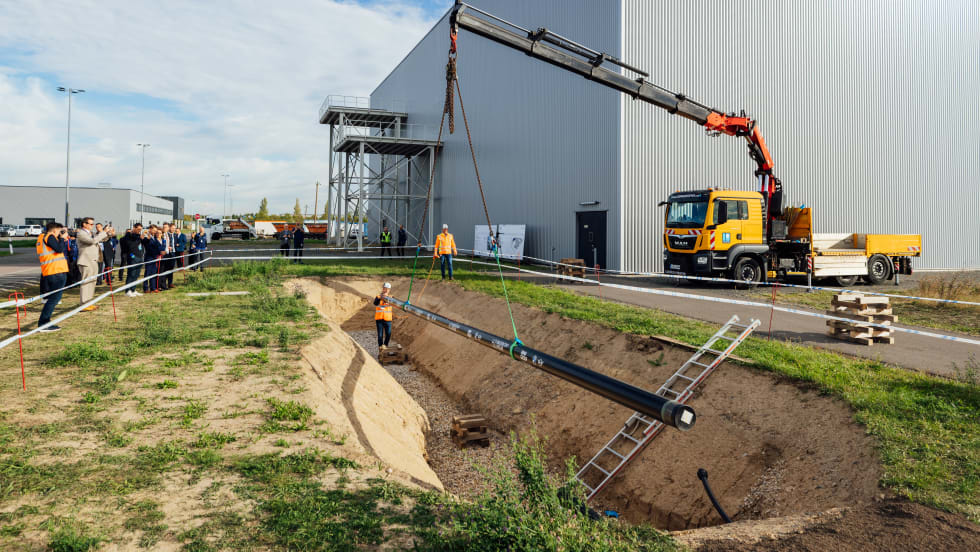
BMW Plant Pursues Cleaner Energy
BMW Group Plant Leipzig has utilized hydrogen to help power its production since 2013, but a new pipeline is planned to take it to another level.
Read More →
Auto Affordability Inches Up
The latest Cox Automotive and Moody’s Analytics index shows a slight increase in new-vehicle affordability despite high prices.
Read More →
Ohio Auto Group Under New Ownership
After 79 years with the Schluter family, Mansfield Auto Group has been acquired by Missouri-based Clement Auto Group.
Read More →
RV Group Expands Carolina Footprint
Blue Compass RV Columbia Northeast is the 13th RV dealership owned by Blue Compass in the Carolinas.
Read More →
Agent Acumen
An Agent Summit panel of people who’ve been supporting auto dealers for years gave both timely and timeless advice for those starting out or mulling the prospect.
Read More →
Missed Maintenance Creates Opportunity
As families get back on the road and into daily school routines, service drives have an opportunity to capture customers who are behind on recommended vehicle maintenance.
Read More →