



Role Evolution in Motor Vehicle Retailing
The future of auto retail requires adapting to survive and thrive.

Consumers are demanding more information, more transparency, and less hassle than ever before.
Pexels/Serpstat
As a nearly 40-year veteran of auto retailing and agency management, I often ponder the future of our business. My first thought is: Will it even exist 10, 15 or 20 years from now? Will our franchise system of selling remain intact, or will it disappear like so many brick-and-mortar businesses in the digital age, swallowed up by websites and buying services offering a quicker, hassle-free experience?
Consumers are demanding more information, more transparency, and less hassle than ever before. So do auto retailers give up and close their doors? Or do we respond positively and adapt to our customers’ demands for a better way to buy?
The choice is simple: Adapt and prosper, or dig your heels in and become a relic of the past like all the other dinosaurs in retailing.
Roadmap to Success
1. Hire the right people.
2. Develop new positions.
4. Invest in comprehensive training.
5. Monitor and adapt for results.
While these steps seem straightforward, they require a deeper commitment to change.
When I first started selling automobiles, the method of selling was known as “liner/closer.” I was a liner, a young, inexperienced kid taught everything, from roof to road, about the products we represented. My job consisted of getting the customer to fall in love with their auto of choice, getting them to commit to owning it, and then my closer would come in and seal the deal. There was normally a lot of shouting and grinding out of a deal that consumers would not sit through today, but it did sell cars.
We have evolved away from those practices, and I believe we can evolve even further—if we have the fortitude. Unfortunately, the auto retailing industry has been slow to move away from the status quo, while the consumer seems to be adapting at the speed of light. Resistance to change is not locked into our chromosomes. We just need to be open to adaptation so we don’t go extinct.
Points on the Map
I therefore propose what I call the “Evolutionary Roadmap to Success,” as listed above:
1. Hire the right people: Every employee in our dealership should be a talent recruiter! It’s amazing how many people in the auto business simply daily go back and forth from work to home without pausing to notice the talent around them. The convenience store clerk who is college-educated but hasn’t found the right fit for his or degree, or the outgoing, bright waiter who served you dinner last night and is longing for an opportunity to show a great company what he can contribute. In this business, we are surrounded by like-minded car people all day long, limiting our pool of fresh, new talent. Get out into your communities and recruit that talent before your competition does!
2. Develop new positions:
Salespeople = product specialists: These individuals are trained to deliver extensive information about all of the products you represent in a useful feature-advantage-benefit format, creating excitement and value that entices consumers to buy.
Internet manager = business-development specialist: This person handles incoming and outgoing contacts via the web. Highly trained in written and oral communication skills, these folks are on the front line of getting the consumer in the door. Contact-to-appointment-to-close stats must be monitored.
Web page designer/maintainer = information specialist: This person manages your advertising billboard on the information superhighway. Attractive, current and accurate information must be continually supplied to engage consumers with your dealership.
Human resource manager = recruitment specialist: This person manages the talent pool, attracting and maintaining high-quality individuals that the dealership can hire to replace a position or expand roles, ensuring growth opportunities aren’t stifled.
F&I manager = delivery specialist: This is the “ownership enhancement specialist” in the dealership, assisting consumers with legal paperwork, finance needs, and ancillary products that enhance their enjoyment of owning or leasing the vehicle. These individuals truly believe in the value proposition these products provide.
3. Set clear expectations: It’s nearly impossible for employees to guess exactly what their employers want. We need to set clear expectations for all departments. For example, product specialists should be graded on sales volume and customer satisfaction index scores. Business-development specialists should be graded on contact conversion to appointments set. Information specialists are graded on the speed and accuracy of web page content. Recruitment specialists are judged on the presentation of qualified candidates, employee productivity, and tenure with the dealership. Delivery specialists are monitored on ancillary product sales and CSI scores.
4. Invest in Comprehensive Training: Training is key to employee performance and longevity. We can no longer simply tell employees what to do; we must train them on how and why we want it done this way. Training is essential to developing our customer experience process within the store. It must be regular, engaging, specific to tasks, and repeated consistently to ensure implementation.
5. Monitor and adapt for results: Since we can’t manage what we can’t measure, constant monitoring of our results is required. Daily check-ins with key individuals are necessary to highlight areas where we are exceeding goals or falling short. If something needs to be examined or changed to enhance the customer experience and overall profitability, we must be willing to change it.
By following this evolutionary roadmap, we can ensure that our industry not only survives but thrives in the face of ever-changing consumer demands. Adaptation is the key to our future success.
Rob Miller is a partner of Spectrum Automotive Holdings.
EDITOR’S NOTE: This article was authored and edited according to Agent Entrepreneur editorial standards and style. Opinions expressed may not reflect that of the publication.
More Industry
Penske Auto Group Deal a Record
The deal to take the dealership and transportation services company private sets a new pace for industry buy-sell transactions.
Read More →
War Toll a Damper on Used Auto Prices
Cox Automotive found wholesale depreciation to be elevated in September amid high fuel prices and this year's unusual hurricane season.
Read More →
Bridge the Maintenance Gap
With many drivers missing recommended maintenance, service departments offering transparency and efficiency have a better chance of reaching financially strained consumers.
Read More →
California Store Has New Owner
The longtime dealership in the northern part of the state is known for robust fleet sales and has served the state capital for 115 years.
Read More →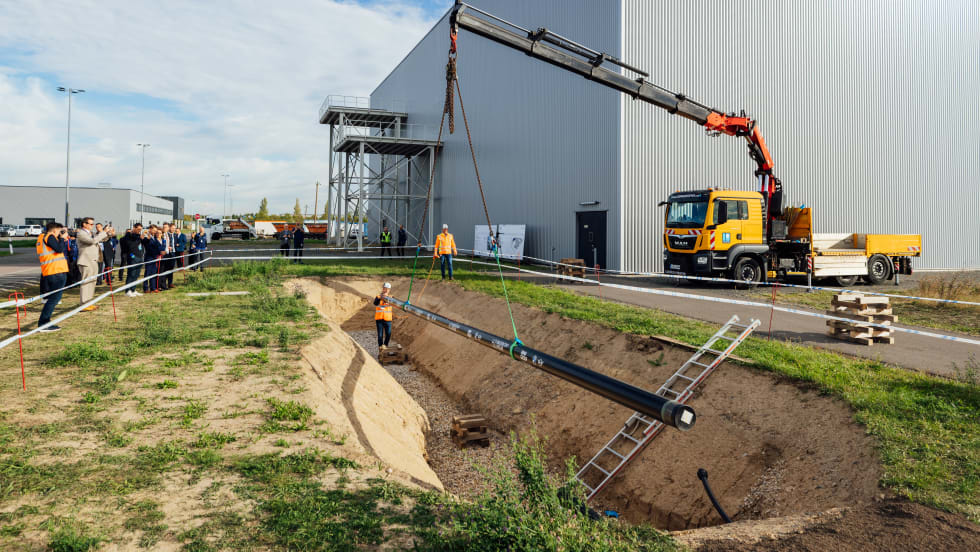
BMW Plant Pursues Cleaner Energy
BMW Group Plant Leipzig has utilized hydrogen to help power its production since 2013, but a new pipeline is planned to take it to another level.
Read More →
Auto Affordability Inches Up
The latest Cox Automotive and Moody’s Analytics index shows a slight increase in new-vehicle affordability despite high prices.
Read More →
Ohio Auto Group Under New Ownership
After 79 years with the Schluter family, Mansfield Auto Group has been acquired by Missouri-based Clement Auto Group.
Read More →
RV Group Expands Carolina Footprint
Blue Compass RV Columbia Northeast is the 13th RV dealership owned by Blue Compass in the Carolinas.
Read More →
Agent Acumen
An Agent Summit panel of people who’ve been supporting auto dealers for years gave both timely and timeless advice for those starting out or mulling the prospect.
Read More →
Missed Maintenance Creates Opportunity
As families get back on the road and into daily school routines, service drives have an opportunity to capture customers who are behind on recommended vehicle maintenance.
Read More →