



Navigating the Uncertainty Facing Dealers Today
Dealers need to be vigilant in developing a strategic plan to seize new opportunities so that they continue to thrive.
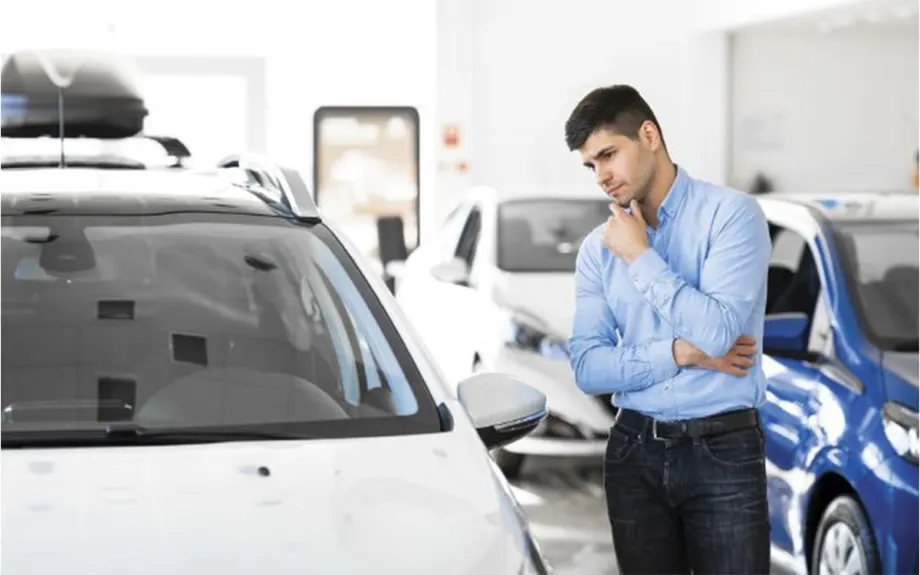
Dealers need to be vigilant in developing a strategic plan to seize new opportunities so that they continue to thrive.
IMAGE: Getty Images
Dealers continue to worry about the inventory crisis. So much so that no one wants to talk about it anymore. The lack of cars, huge demand, needing to make the maximum amount on the sale of each car to keep businesses afloat. Let’s stop for a moment to consider what the industry looks like post crisis. How long will this last? What will it be like when we come out of it? Our revenue models have been buoyant with much higher gross sales, but expenses are up because of supply chain issues and there is a massive labor shortage.
Direct-to-Consumer Access
During this period, automotive manufacturers have taken bold steps to mimic the Tesla direct-to-consumer model. They are using electric vehicles as the go-to for direct to consumers sales taking dealers (for the most part) out of the equation. The manufacturers are not happy about the covid and post-covid environment. Manufacturing of automobiles which has been reduced by approximately two-thirds and they are not making the profits they had forecasted. However, for dealers, it’s a different story. Supply and demand and a whole host of other factors has driven up the per vehicle cost at dealerships.
Are Manufacturers Calling the Shots?
The manufacturers are frowning on dealers selling above MSRP. They feel it’s their reputation and responsibility when they set the MSRP, and a dealer doesn’t comply whether lower or higher. There is a significant amount of brand confusion in the marketplace because many dealers have lost a substantial part of their individual identities to manufacturer brands. Therefore, manufacturers are concluding it isn’t good for their brand image.
Point-in-fact, ultimately the manufacturers do not control prices. Dealers sell at prices they want or need to. Dealers do not have the volume they are accustomed to having on their lots, so while volume is down 30-40% they need to sell these vehicles over sticker price. They simply won’t make their monthly cost of expenses if they sell at MSRP sticker.
Manufacturers are engaging with dealer customers directly. Manufacturers Apps are being incentivized, promoted, and pushed by dealers. Thereby dealer customers, that a dealer has spent time money to develop a relationship with, is now becoming the manufacturer’s customer. Where will this ultimately lead for dealerships?
Positives and Negatives to Consider
With the limited inventory and higher sales prices, sales representatives are reaping the benefit of higher commissions. There is a labor shortage and the ability to hire talent has seen an increase in hourly rates. While these additional expenses are not impacting dealers now, what happens when the tide turns and a more normal buying cycle with ample availability of automobiles returns to the market?
F&I will surely make a difference, with new products that satisfy the needs of electric vehicles (EVs) being developed and coming to market.
The Problem is No One Knows
Everyone is wondering where all this will ultimately lead. A franchise dealer has a vested interest in manufacturer brand(s), and those manufacturers are disregarding all of that and taking away your relationships and profits.
So, what happens when customers are ordering directly from manufacturers? Manufacturers will be sending them product information via their apps, and those products traditionally have not been as good as the options in the open marketplace. Will dealerships evolve to be a delivery mechanism for the manufacturers they represent?
This is a very real issue facing dealers today. While other industries have been disrupted, the automotive industry has seen very little change since it’s origination. The manufacturers needed a massive event to trigger the direct-to-consumer process, and COVID-19 and the production nightmare we have been enduring may have given them that opportunity.
Future Forecast
Three years from now there won’t be a lot of used cars in the market. Therefore, used car prices will remain strong. In 2025 you won’t be able to find used 2021 or 2022 models. They will be very limited, yet demand will be there. Dealers should continue to put a strong focus on their used car business. We will see a return to MSRP and below. Manufacturers will slowly ramp up pre-pandemic production numbers creating choices, competition, and dealer profit margins will erode.
Consumers have purchased vehicles from their local dealers for decades. We should not forget or disregard that the franchise system was established on the ideology that dealers can better service customers by fostering competition. Long-established state franchise laws are being exposed to challenges. Even if the online direct model prevails, customers will go to dealerships for delivery and servicing of their vehicles.
Dealers need to be vigilant in developing a strategic plan to seize new opportunities so that they continue to thrive. Putting an emphasis on servicing vehicles and servicing the new EVs will be paramount to continued success. Also getting ahead of installation of new EV options, F&I products, and other related services like charging station installations.
Dylan Doran is President of WFIS (a Vanguard Dealer Services Company).
Originally posted on F&I and Showroom
More Industry

Penske Auto Group Deal a Record
The deal to take the dealership and transportation services company private sets a new pace for industry buy-sell transactions.
Read More →
War Toll a Damper on Used Auto Prices
Cox Automotive found wholesale depreciation to be elevated in September amid high fuel prices and this year's unusual hurricane season.
Read More →
Bridge the Maintenance Gap
With many drivers missing recommended maintenance, service departments offering transparency and efficiency have a better chance of reaching financially strained consumers.
Read More →
California Store Has New Owner
The longtime dealership in the northern part of the state is known for robust fleet sales and has served the state capital for 115 years.
Read More →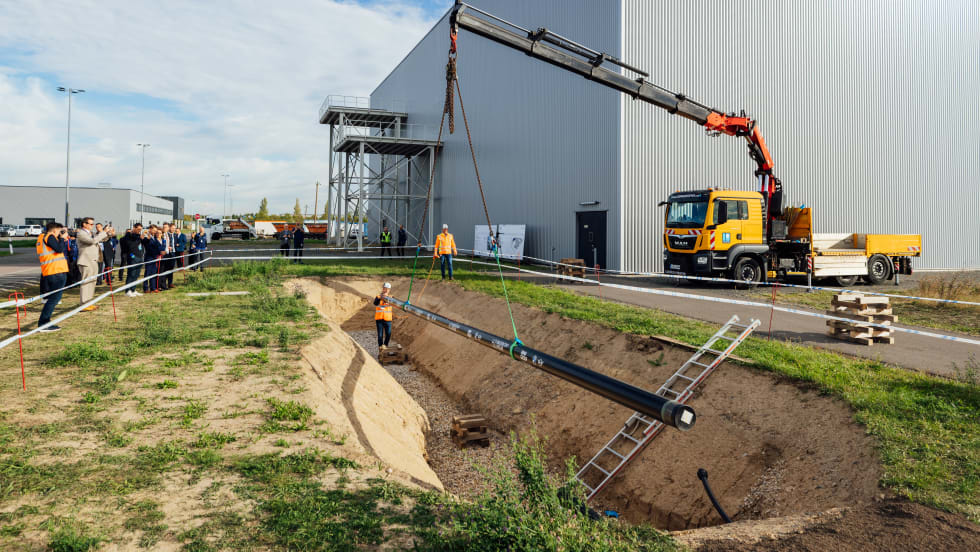
BMW Plant Pursues Cleaner Energy
BMW Group Plant Leipzig has utilized hydrogen to help power its production since 2013, but a new pipeline is planned to take it to another level.
Read More →
Auto Affordability Inches Up
The latest Cox Automotive and Moody’s Analytics index shows a slight increase in new-vehicle affordability despite high prices.
Read More →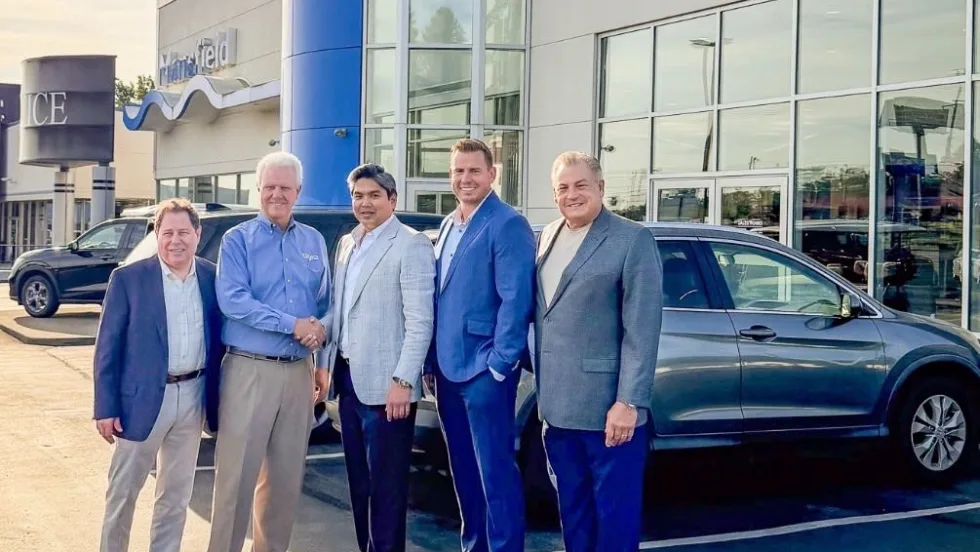
Ohio Auto Group Under New Ownership
After 79 years with the Schluter family, Mansfield Auto Group has been acquired by Missouri-based Clement Auto Group.
Read More →
RV Group Expands Carolina Footprint
Blue Compass RV Columbia Northeast is the 13th RV dealership owned by Blue Compass in the Carolinas.
Read More →
Agent Acumen
An Agent Summit panel of people who’ve been supporting auto dealers for years gave both timely and timeless advice for those starting out or mulling the prospect.
Read More →
Missed Maintenance Creates Opportunity
As families get back on the road and into daily school routines, service drives have an opportunity to capture customers who are behind on recommended vehicle maintenance.
Read More →