



Millennials: Recruiting, Training and Retaining them is Key to Dealerships’ Future


Millennials: Recruiting, Training and Retaining them is Key to Dealerships’ Future
We tend to group people into generations to better understand their collective point of view. Millennials are no different. As the largest generation, out numbering Baby Boomers in size and, arguably, influence, understanding their point of view is increasingly important to cultivating successful dealership employees.
There are three distinct areas to consider to be successful at recruiting, training and retaining the millennial generation. The first area is to understand them. This is your key to developing a successful plan going forward. Second, how are you going to interact with millennials during the hiring process and into their employment? This is the execution of your plan. Third, how do you retain them? This will be your measure of success going forward with your newly hired millennials.
Understand Them.
Who are millennials and why should you care? As a generation, they surpassed baby boomers as the largest generation in early May of 2016[1]. Their buying power will far surpass any previous generation.
For a better understanding of millennials, let’s compare and contrast the current generations in the workplace.
Baby boomers are currently ages 51 to 69 and number around 74.9 million[2]. They tend to put family first, value job security and have concerns about retirement. Boomers are IT adopters and prefer to communicate face-to-face or on the phone.
Gen X, which numbers around 66.1 million members[3], is sometimes referred to as the Lost Generation or “latch key kids”. With ages between 35 and 50 they are more concerned with maintaining a good work/life balance than their parents. As digital immigrants, they prefer to communicate via text and email.
Now, on to millennials. Aged 18 to 34, they number around 75.3 million[4]. Millennials are the most educated generation and typically have higher levels of debt. Additionally, they are slower to make major purchases such as automobiles and homes. Millennials are considered digital natives, having grown up with their technology. Not surprisingly, they are tech-dependent. They just expect their tech to work and are generally not savvy as to how the tech actually works. Their communication preferences are online and mobile.
Recruit and Hire Them.
Now that we have an understanding of millennials, we can look at some ways to recruit them and how these might differ from the traditional recruiting methods. One thing to be aware of when recruiting, is the millennial generation is quite unfamiliar with traditional recruiting and hiring practices. Additionally, you can expect them to enter the job market many years later than previous generations and often be more highly educated.
When you are recruiting, be prepared for candidates who are entrepreneurial in nature and looking for rewarding careers that will have a broader impact, not just for their employer but society in general. As part of your interviewing process, you need to make sure they understand their role in the company’s success as well as the role of the dealership in their customers’ lives.
To assist you in your recruiting efforts, consider hosting “learn about the car business” meetups. You should also reexamine the careers section of your website and make sure you are not just listing the job requirements but also providing career benefits and a look at how the role impacts the bigger picture; how your dealership affects people’s lives for the better. You may also want to develop some educational pieces that can be shared across multiple recruiting and social media platforms.
Train and Retain Them.
Now that you’ve hired someone, it’s time to review your training processes. If you are still sitting new employees down in the break room and having them watch hour after hour of VCR tapes starring sales trainers from the ‘70’s & ‘80s, you will lose millennials. Your training needs to match the times. Train like the year in which you are hiring. You need to take a look at when the last time was you updated your training processes and materials. Granted, in the basics of sales or F&I hold true. However, your training materials and the way you deliver training need to be current. You may want to consider using more one-on-one training. This is something that goes a long way with the millennial employee. It gives them a sense of belonging to a greater organization than just selling cars.
Here are a few additional points to think about when training millennials:
Use coaching - not telling
Realize that they want to feel unique
Incorporate lots of confidence-building tools and techniques
Last but not least, make sure your training materials are available across multiple devices such as physical job aids, tablets, computers and smartphones.
Okay, you’ve recruited them, you’ve trained them and now you need to retain them. Here are some tips for making sure millennial employees stay with you for the long run.
As noted previously, you are going to need to show millennials how their role at the dealership benefits others, such as how they are helping the entire operation succeed and what role the dealership plays in the community. Remember, you want to provide examples of positive impacts to this generation because, to them, it’s not just about the paycheck. Research has shown that many millennials will take a job that impacts the greater good rather than its higher paying counterpart.
You are going to need millennials working in your dealership. You can expect new car purchases by baby boomers to decrease. GenX purchase growth is beginning to slow. Millennials’ new car purchases are beginning to rapidly increase to the point that by 2020, 40% of purchases in your dealership will be by millennials[5].
Who better to sell a car or F&I product to a millennial than another millennial, someone they know, like and trust. Just like it has been for generations.
[1] Pew Research Center
More Industry

Penske Auto Group Deal a Record
The deal to take the dealership and transportation services company private sets a new pace for industry buy-sell transactions.
Read More →
War Toll a Damper on Used Auto Prices
Cox Automotive found wholesale depreciation to be elevated in September amid high fuel prices and this year's unusual hurricane season.
Read More →
Bridge the Maintenance Gap
With many drivers missing recommended maintenance, service departments offering transparency and efficiency have a better chance of reaching financially strained consumers.
Read More →
California Store Has New Owner
The longtime dealership in the northern part of the state is known for robust fleet sales and has served the state capital for 115 years.
Read More →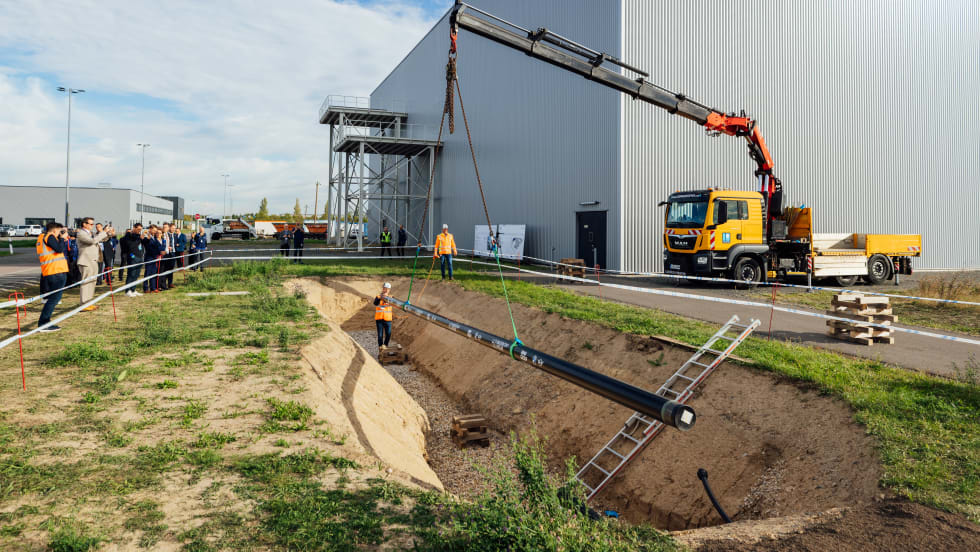
BMW Plant Pursues Cleaner Energy
BMW Group Plant Leipzig has utilized hydrogen to help power its production since 2013, but a new pipeline is planned to take it to another level.
Read More →
Auto Affordability Inches Up
The latest Cox Automotive and Moody’s Analytics index shows a slight increase in new-vehicle affordability despite high prices.
Read More →
Ohio Auto Group Under New Ownership
After 79 years with the Schluter family, Mansfield Auto Group has been acquired by Missouri-based Clement Auto Group.
Read More →
RV Group Expands Carolina Footprint
Blue Compass RV Columbia Northeast is the 13th RV dealership owned by Blue Compass in the Carolinas.
Read More →
Agent Acumen
An Agent Summit panel of people who’ve been supporting auto dealers for years gave both timely and timeless advice for those starting out or mulling the prospect.
Read More →
Missed Maintenance Creates Opportunity
As families get back on the road and into daily school routines, service drives have an opportunity to capture customers who are behind on recommended vehicle maintenance.
Read More →