



Leasing is Picking Up - What About Disclosures?
The resurgence of the segment means it's time to make sure your dealership handles these transactions compliantly.


Leasing is projected to account for more than one in four new-vehicle sales this year, electric vehicles part of the expected increase.
Pexels/Mart Production
Leasing is the industry’s roller coaster. It rattles around the bottom of the coaster after lessor risk managers pull back on leasing because of residual losses. It starts ascending toward the crest again as short-memory lessor marketing managers and manufacturers begin aggressively leasing as a way to sell vehicles.
Leasing penetration as a percentage of new-vehicle sales hit a high of nearly 34% In 2017 but accounted for around 18% of new-vehicle sales in 2023. Leasing is projected to account for more than one in four new-vehicle sales this year. Electric vehicles are part of the story behind the projected increase.
With the one-third percentage increase in leasing penetration comes the risk that the plaintiffs’ bar will become interested in understanding the basics of leasing. After all, the logic goes, if dealers make truth-in-lending disclosure mistakes worthy of class-action litigation because they can’t always program the dealer management system correctly, truth-in-leasing disclosure mistakes may not be so prevalent.
A little primer on some common leasing disclosure issues is in order. The two greatest improvement opportunities on a lease agreement are the Itemization of Gross Capitalized Cost and the Amount Due at Signing sections.
Itemization of Gross Capitalized Cost
This lease agreement section discloses how the transaction builds from the selling price to the gross capitalized cost.
Certain items in the gross capitalized cost include the lessor’s acquisition fee, the dealer’s doc fee, voluntary protection products, prior credit or lease balance, taxes and fees.
Amount Due at Signing (Lease-Starts)
This section lists the amounts that the customer must pay to start the lease. It includes such items as the capitalized cost reduction, first payment, security deposit, and upfront fees or taxes.
Potential Disclosure Issues
Prior credit or lease balance are another way of saying negative equity. Just like on a retail deal, the lease disclosure statutes require proper disclosure of any prior credit or lease balance included in the transaction.
The prior credit (negative equity from a retail trade) or lease balance (remaining lease payment, mileage or wear-and-tear amounts to close the prior lease) cannot be added to the cash selling price in the Itemization of Gross Capitalized Cost. Instead, it is to be an itemized disclosure in the IGCC and labeled correctly.
The IGCC is an optional disclosure to be contained within the lease agreement. If the lessor opts to omit the disclosure from the lease agreement, it must include an option for the consumer to request a separate IGCC. Some F&I managers are unaware of this requirement and admit they do not have the forms available to provide to the customer if asked.
The lease-starts section itemizes what the customer must pay to start the lease and how that amount is paid. The customer can settle up the lease-starts with positive trade equity, manufacturer rebate, dealer noncash credit, or customer cash.
A noncash credit occurs when a dealer agrees to absorb a portion or the entire lease-starts. This can typically happen with a sign-and-drive lease, for which the customer does not pay the first payment.
It is a common miscue to disclose that the customer paid cash for the amount of the noncash credit. Essentially, the amount disclosed as cash collected in the lease-starts section must be supported with a receipt in the file.
The third-most recurring issue with leasing is not with the lease agreement itself but rather the lack of an Order for Leased Vehicle Agreement. A buyer’s order contains a number of representations and warrants and possible state-required disclosures that are not necessarily contained within the Retail Installment Sales Contract.
Many dealers continue to either try to fit a lease transaction on a buyer’s order, or they do not have any order executed. Based on the potential 25% leasing penetration, this means that a dealer may not have the protection outlined in a buyer’s order in a quarter of all new-vehicle sales.
These three disclosure issues are as easily resolved as truth-in-lending disclosure issues on retail transactions. Just takes a little time and programming.
Continued good luck, and good selling.
Gil Van Over is executive director of Automotive Compliance Education (ACE). He is also founder and president of gvo3 & Associates and author of “Automotive Compliance in a Digital World.”
Originally posted on F&I and Showroom
More Industry

Penske Auto Group Deal a Record
The deal to take the dealership and transportation services company private sets a new pace for industry buy-sell transactions.
Read More →
War Toll a Damper on Used Auto Prices
Cox Automotive found wholesale depreciation to be elevated in September amid high fuel prices and this year's unusual hurricane season.
Read More →
Bridge the Maintenance Gap
With many drivers missing recommended maintenance, service departments offering transparency and efficiency have a better chance of reaching financially strained consumers.
Read More →
California Store Has New Owner
The longtime dealership in the northern part of the state is known for robust fleet sales and has served the state capital for 115 years.
Read More →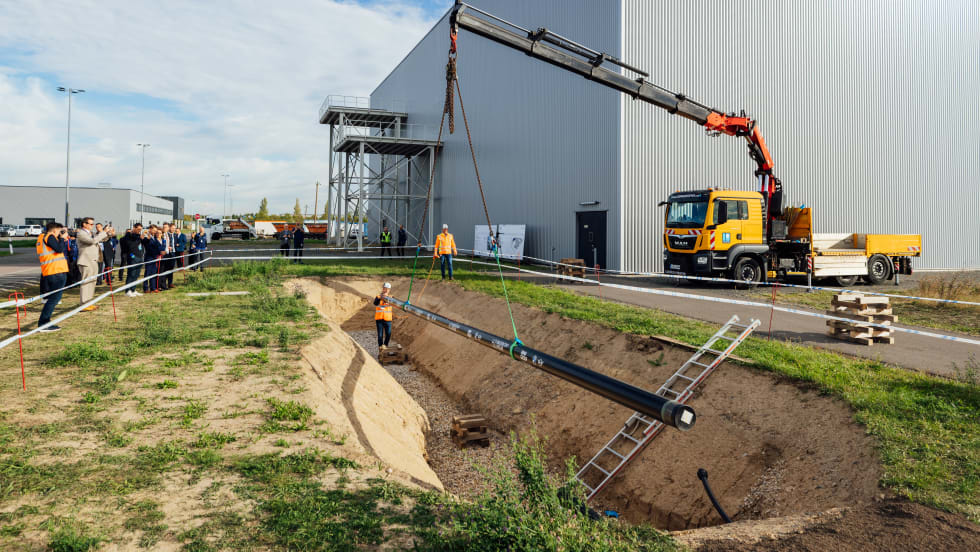
BMW Plant Pursues Cleaner Energy
BMW Group Plant Leipzig has utilized hydrogen to help power its production since 2013, but a new pipeline is planned to take it to another level.
Read More →
Auto Affordability Inches Up
The latest Cox Automotive and Moody’s Analytics index shows a slight increase in new-vehicle affordability despite high prices.
Read More →
Ohio Auto Group Under New Ownership
After 79 years with the Schluter family, Mansfield Auto Group has been acquired by Missouri-based Clement Auto Group.
Read More →
RV Group Expands Carolina Footprint
Blue Compass RV Columbia Northeast is the 13th RV dealership owned by Blue Compass in the Carolinas.
Read More →
Agent Acumen
An Agent Summit panel of people who’ve been supporting auto dealers for years gave both timely and timeless advice for those starting out or mulling the prospect.
Read More →
Missed Maintenance Creates Opportunity
As families get back on the road and into daily school routines, service drives have an opportunity to capture customers who are behind on recommended vehicle maintenance.
Read More →