



Grooming the Car-Buying Experience
New car buyers still walk into a dealership to purchase the actual vehicle, but most would prefer to spend less time on-site, giving the dealer and sales team less time to build a trusted relationship with customers.

New car buyers still walk into a dealership to purchase the actual vehicle, but most would prefer to spend less time on-site, giving the dealer and sales team less time to build a trusted relationship with customers.
Image by NORTONOSX via GettyImages.com
Auto manufacturers continue to advance their vehicles with gadgets, music streaming, cameras, assisted driving, and even the ability to order food. While the connected car evolves, so has the customer. The average customer looking to purchase a car spends less time in an actual dealership, and more time researching car makes, models, and feature. According to AutoTrader, new car buyers still walk into a dealership to purchase the actual vehicle, but most would prefer to spend less time on-site, especially as more of the car buying process shifts online. All of this brings about a new reality: the dealer and sales team have limited time to engage and build a trusted relationship with customers.
Today, knowing the customer ahead of their arrival at the dealership, maximizing the efficiency of on-site visits, and offering services that meet their post-sale needs will create a trusting and engaging environment tailored to the modern car buyer.
Additionally, 72% of car buyers will use their own mechanic and do not utilize the services provided by the dealership. Needless to say, once a customer finds their dream car, they often drive away never to be seen again. This is a problem, considering the service and parts departments make up over 49%of a dealership’s revenue.
So what can be done?
Get to Know Your Customers Before They Arrive
Today’s car buyer has already researched the car they want and will spend their time at less dealerships, according to the 2019 Cox Car Buyer Journey. They are walking in with a game plan, complete with all their preferences and other research. While there will be a few who can be persuaded to add extra features, most buyers have made up their mind. Understanding buying behavior creates a new dynamic for dealerships. Train your team to make your customer feel welcome and be receptive to their preferences. It’s also worth re-examining your dealership’s website and ensuring that key vehicle information is easily accessible to online car shoppers. According to AutoTrader, 1-in-6 car buyers do not buy from the first dealership simply because of a poor sales experience. It’s critical to know your customer and make sure your online experience is adapted to meet their needs.
Efficient In-Dealership Process
Walking into a dealership is a stressful experience because it is an expensive life decision for many buyers, and many people dislike the time it takes to buy a car. Unfamiliar car jargon and a lack of transparency only heighten the level of stress for customers.
When it comes to transparency, customers care about the vehicle history and cost. Approximately 47% of car buyers said they’d like to know the total cost of the vehicle versus only the monthly cost.
Another area where customers would like to see much greater efficiency during a dealership visit is the time it takes to locate a test-drive vehicle, find out if the vehicle is in stock, and see if the car is ready to drive off the lot as soon as the paperwork is done. More dealerships have embraced smart telematics solutions to monitor the location and health of vehicles on their vast lots. For dealerships with a large inventory or multiple lots, these solutions can be a necessity. A simple hiccup like not being able to locate a test drive vehicle — or finding that car only to discover its battery is dead — can jeopardize CSI scores or even sales.
Aftermarket Telematics Solutions Can Open Up Opportunities
Part of understanding the modern car buyer is sensing their comfort level, with technology and any expectations of benefits it will bring, in making their life easier. This is one way to continue the relationship past the sale to increase customer loyalty and revenue for dealerships.
Dealerships that view telematics services as a way to build trust and loyalty with customers can drive recurring revenue for their business. This is a win-win for dealers and customers because these services provide convenience and peace of mind to customers, with features from maintenance alerts and roadside assistance, to speed alerts and arrival notification for parents with teenage drivers. At the same time, dealers can benefit by leveraging these services as a post-sale customer touchpoint to capture service and maintenance revenue.
These new types of telematics services go beyond the traditional – but highly valuable – offerings, like stolen vehicle recovery services, which also provide security and peace of mind to car owners. All of the services create an ongoing two-way relationship between the car buyer and the dealership, which can last beyond the sale.
The automotive industry has evolved quickly, and so has customer buying behavior and technology. But some things don’t change. Customers always want good service and transparent relationships with vendors. Car buyers want the latest technology to tell them it’s time for maintenance before a major problem happens, or if their teenager has arrived at their destination safely. And if they do visit a dealership, they also want to know the customer service they’re seeking is available right then and there.
Today, knowing the customer ahead of their arrival at the dealership, maximizing the efficiency of on-site visits, and offering services that meet their post-sale needs will create a trusting and engaging environment tailored to the modern car buyer.
Steve Manzi is the vice president of Connected Car at LoJack.
Originally posted on F&I and Showroom
More Industry

Penske Auto Group Deal a Record
The deal to take the dealership and transportation services company private sets a new pace for industry buy-sell transactions.
Read More →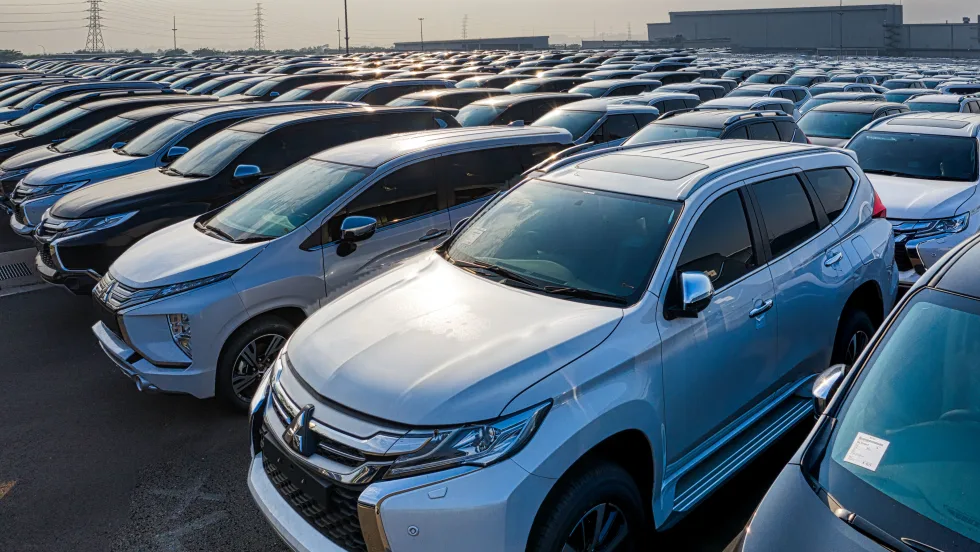
War Toll a Damper on Used Auto Prices
Cox Automotive found wholesale depreciation to be elevated in September amid high fuel prices and this year's unusual hurricane season.
Read More →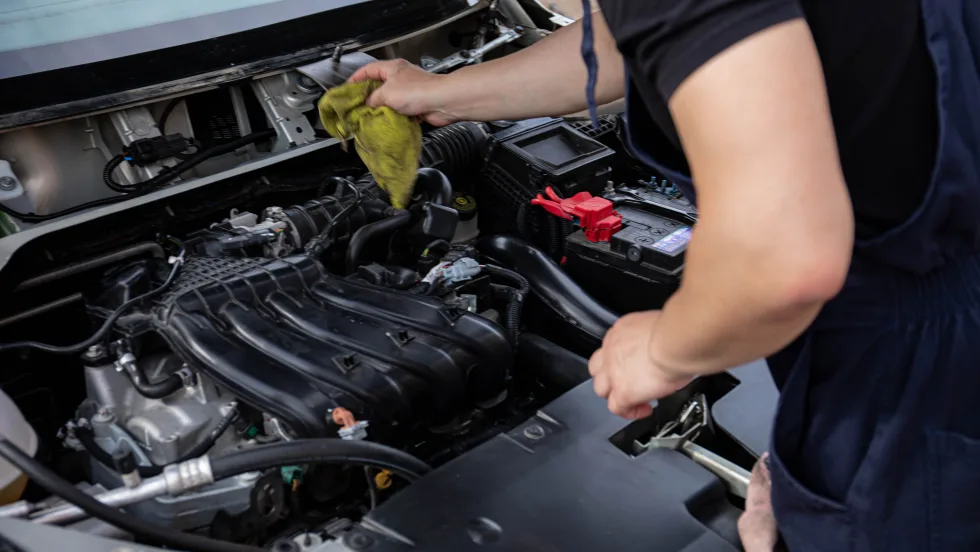
Bridge the Maintenance Gap
With many drivers missing recommended maintenance, service departments offering transparency and efficiency have a better chance of reaching financially strained consumers.
Read More →
California Store Has New Owner
The longtime dealership in the northern part of the state is known for robust fleet sales and has served the state capital for 115 years.
Read More →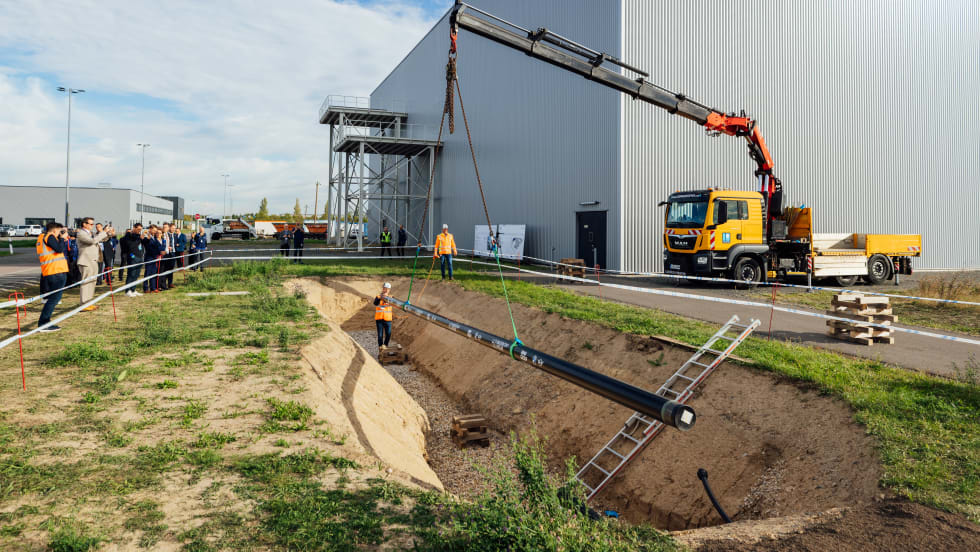
BMW Plant Pursues Cleaner Energy
BMW Group Plant Leipzig has utilized hydrogen to help power its production since 2013, but a new pipeline is planned to take it to another level.
Read More →
Auto Affordability Inches Up
The latest Cox Automotive and Moody’s Analytics index shows a slight increase in new-vehicle affordability despite high prices.
Read More →
Ohio Auto Group Under New Ownership
After 79 years with the Schluter family, Mansfield Auto Group has been acquired by Missouri-based Clement Auto Group.
Read More →
RV Group Expands Carolina Footprint
Blue Compass RV Columbia Northeast is the 13th RV dealership owned by Blue Compass in the Carolinas.
Read More →
Agent Acumen
An Agent Summit panel of people who’ve been supporting auto dealers for years gave both timely and timeless advice for those starting out or mulling the prospect.
Read More →
Missed Maintenance Creates Opportunity
As families get back on the road and into daily school routines, service drives have an opportunity to capture customers who are behind on recommended vehicle maintenance.
Read More →