



Down the Road: Executive Predictions for 2022
Fair Technologies CEO predicts how the automotive industry will change in 2022.

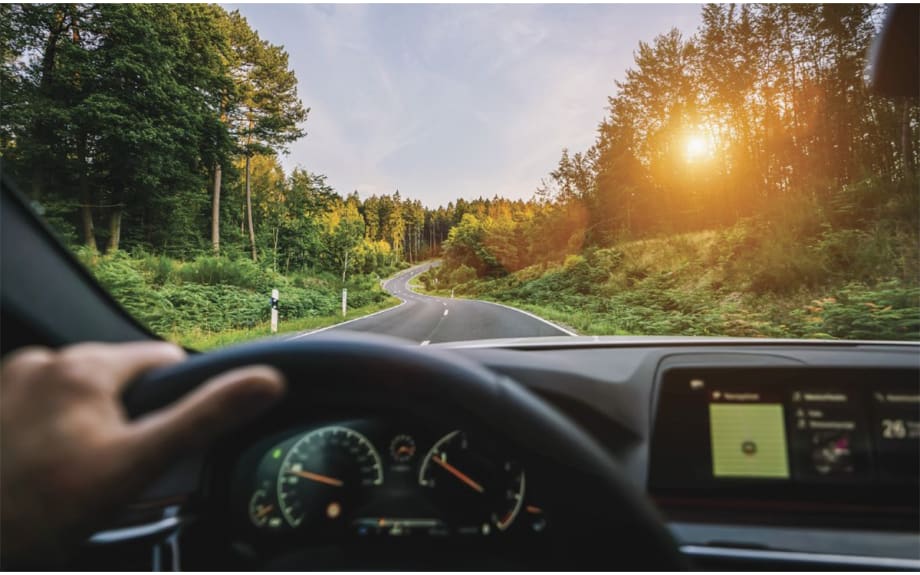
Fair Technologies CEO predicts how the automotive industry will change in 2022.
IMAGE: Getty Images
The pandemic ushered in short-term and long-term impacts to the automotive industry, reports Brad Stewart, CEO of Fair Technologies, a company centered on building a digital shopping experience for today’s and tomorrow’s consumers.
Stewart puts inventory and supply chain shortages in the temporary category. Low inventories because of a global microchip shortage have dragged down U.S. auto sales for four consecutive months and will continue to drive sky-high prices, according to forecasters.
But Stewart calls the inventory shortages short-term because they are driven by supply chain issues that caused OEMS to pull back on inventory and production. This, he says, created a several month lag in inventory. “But leases didn’t stop nor did demand for new vehicles,” he says.
Likewise, pent-up demand after the country pulled out of its pandemic shutdowns buoyed purchases. “This is a very obvious but temporal change,” he says.
He sees accelerated digitalization during the pandemic as a long-term impact. The shutdowns forced the entire automotive industry to embrace digital. “There is now a digital transformation occurring everywhere,” he says.
Stewart predicts digitalization will continue evolving the industry. Consumers will seek customization similar to what’s available when they order a pizza online and can pick their toppings. “They can customize everything on their order so that everyone in the house gets the pizza toppings they want,” he says. “This will replicate in the automotive industry.”
He adds new business models like ACV, Route or Carvana also will drive consumer behavioral changes.
“They will help consumers get more comfortable shopping and transacting online and with at-home vehicle delivery,” he says. “This is the way the world is going. Automotive is just a little late to the game.”
Electric vehicles (EVs) also represent another long-term impact, he says. The Biden Administration heightened the push for electric vehicles with its infrastructure bill. The legislation aims to accelerate and deploy electric vehicle charging stations, offer tax credits for EV purchases, and support an aggressive transition to EVs.
“EV is the future, without question,” he says. “You see governments and regulations going in that direction. Consumers are considering a pivot to EVs. Right now, EV penetration in the U.S. is around 2%, eventually it will be 100%. The Build Back Better framework includes significant tax credits to incentivize the purchase of American-made EVs to jumpstart the market.”
Predictions for 2022
There is no crystal ball that accurately predicts the future, but Stewart shares his own predictions for 2022.
Supply chain issues of 2021 moved consumers away from new cars toward pre-owned vehicles. Stewart expects that trend to continue. “Consumers,” he says, “won’t soon forget how supply chain issues affected new car inventories. They saw that buying pre-owned eliminates the need to wait for manufacturers and the frustrations of shipping delays.”
J.D. Power Associates reported in November that used vehicle prices were up 37% year over year when compared to 2020. The organization also reported the average new car price surged to $46,036. Stewart foresees a normalization of asset values in 2022 as inventory and supply balance out.
“I see [higher] asset values as a two-quarter or four-quarter phenomenon,” he says. “But interest rates are likely to rise in reaction to inflation and a hot economy. This will cause consumers to consider their monthly payments carefully.”
Digitalization will continue. But Stewart says the focus will be on balancing in-person and online shopping. Besides being able to spec cars to their preferences, consumers also seek to mix and match the digital and physical aspects of getting a car, he says.
People became more comfortable making large purchases, like a car, online during the pandemic. Many no longer feel like they must go to a dealership to buy a car. But most consumers are not ready to move totally to the digital realm.
“They want choices,” he says. “When you buy groceries, you can place your order on the app and have them delivered to your door. If you prefer, you can pick up your bags on the way home from work. Or you can go to the store and buy them yourself.”
Digital innovations, he says, grew during the pandemic, but many were unsuccessful or did not hit the numbers investors expected. “It will be interesting to see who emerges as winners across the whole spectrum, from OEMs to distribution and insurance platforms, to financing platforms,” he says.
Stewart predicts an acceleration of innovations in vehicular technology, particularly with EVs and connectivity. “The industry is open to innovation and new ideas, from scooters to autonomous vehicles to EVs,” he says. “There’s a general excitement for innovation and a recognition that the old ways of doing things, older products and capabilities, are insufficient for the direction the industry is heading.”
A rapidly developing area is Big Data and analytics. It’s more pervasive than ever before and more technology is available to help dealers put their data to work. This technology will help dealerships package solutions that are highly curated to individual buyers, he says.
Step Back
Stewart throws in a word of caution. Don’t take digitalization too far. “Industries have tried to make things 100% digital, and it doesn’t always work,” he says. “There’s so many changes and questions. Companies that marry the best physical and digital engagement technologies will emerge as winners.”
He believes that in 2022, industries will fine-tune and edit their digital offerings. Businesses like Instacart or Door Dash may need to refine their models as people “return to normal,” he says. “A year from now we will reach a new normal on the arc toward better solutions.”
A really robust business model will reap rewards. Steward recommends that dealers “strike a balance between new and used. Don’t overly depend on one category over the other. Be really good on your overhead and lean on digital. Engage customers and improve your service model.”
Ronnie Wendt is an editor at Auto Dealer Today.
Originally posted on Auto Dealer Today
More Industry
Penske Auto Group Deal a Record
The deal to take the dealership and transportation services company private sets a new pace for industry buy-sell transactions.
Read More →
War Toll a Damper on Used Auto Prices
Cox Automotive found wholesale depreciation to be elevated in September amid high fuel prices and this year's unusual hurricane season.
Read More →
Bridge the Maintenance Gap
With many drivers missing recommended maintenance, service departments offering transparency and efficiency have a better chance of reaching financially strained consumers.
Read More →
California Store Has New Owner
The longtime dealership in the northern part of the state is known for robust fleet sales and has served the state capital for 115 years.
Read More →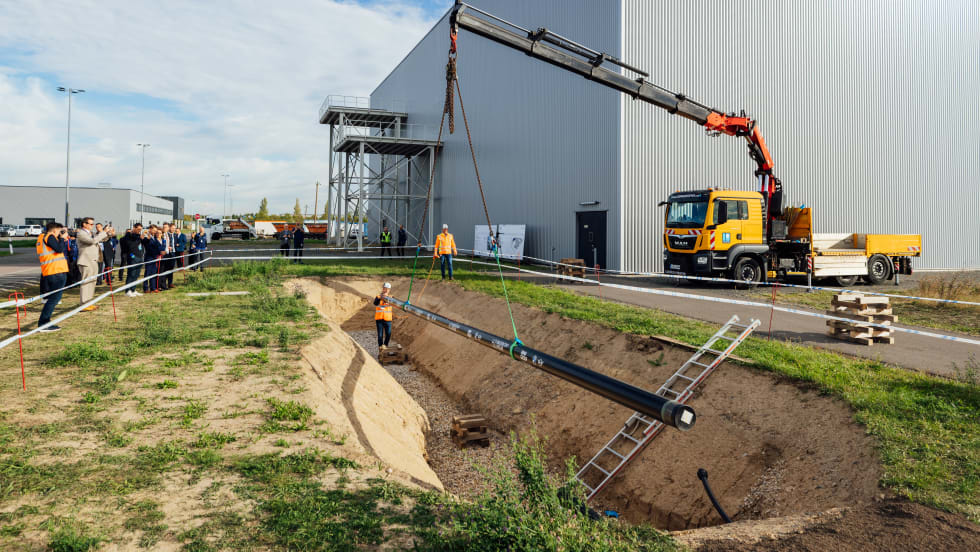
BMW Plant Pursues Cleaner Energy
BMW Group Plant Leipzig has utilized hydrogen to help power its production since 2013, but a new pipeline is planned to take it to another level.
Read More →
Auto Affordability Inches Up
The latest Cox Automotive and Moody’s Analytics index shows a slight increase in new-vehicle affordability despite high prices.
Read More →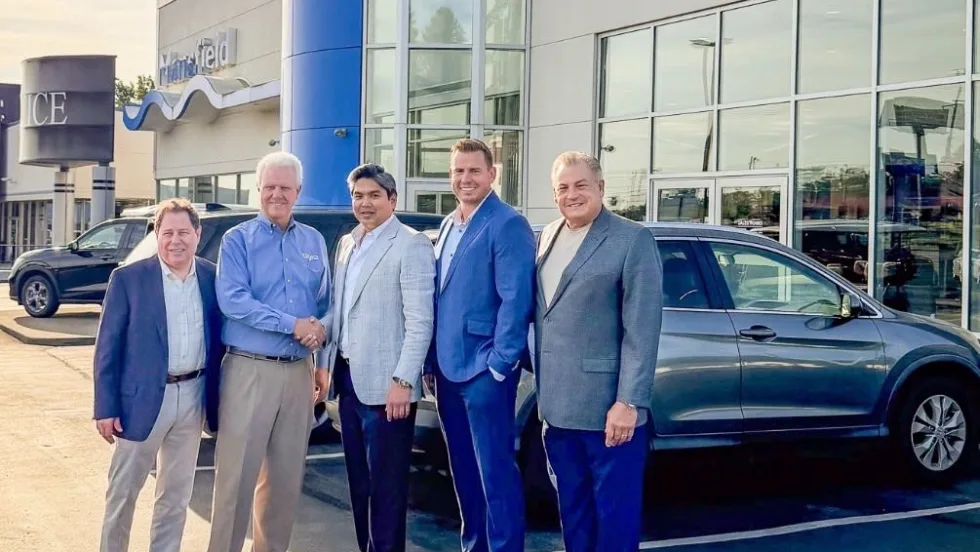
Ohio Auto Group Under New Ownership
After 79 years with the Schluter family, Mansfield Auto Group has been acquired by Missouri-based Clement Auto Group.
Read More →
RV Group Expands Carolina Footprint
Blue Compass RV Columbia Northeast is the 13th RV dealership owned by Blue Compass in the Carolinas.
Read More →
Agent Acumen
An Agent Summit panel of people who’ve been supporting auto dealers for years gave both timely and timeless advice for those starting out or mulling the prospect.
Read More →
Missed Maintenance Creates Opportunity
As families get back on the road and into daily school routines, service drives have an opportunity to capture customers who are behind on recommended vehicle maintenance.
Read More →