



Combative UAW Demands Leave No Room For Constructive Negotiations
Compensation for workers' contributions during the panedmic is justified but not at this level.
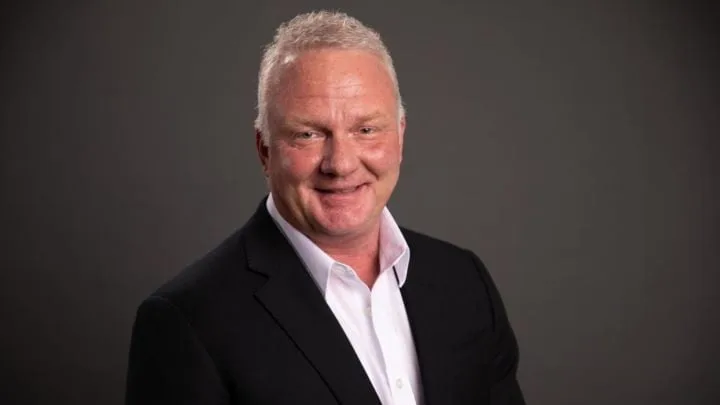
Steenbergh is CEO of AutoPayPlus, which provides automated biweekly and early loan payoff services for automotive, RV, boat, home and student loans.
IMAGE: AutoPayPlus
Here we are, and it’s no surprise. I’m dumbfounded by United Auto Workers President Shawn Fain’s tactical approach to this historic strike against all three major U.S. automakers.
Far from good-faith negotiations, he has threatened to “strike these companies in a way they have never seen before” with a series of coordinated work stoppages intended to "create confusion." Is this a labor dispute orthe Russia-Ukraine conflict?
The unions are demanding a 40% wage increase, along with numerous other concessions, to recover what they believe they “lost” when major manufacturers nearly went bankrupt during the 2007-08 financial crisis. They see the record profits being made by dealers and manufacturers in the post-pandemic world and want to get back what they “lost,” as well as a whole lot more.
They’ve been offered pay increases ranging from 17.5% to 20%, but they want double that. Plus, a return to unsustainable and anticompetitive cost-inducing benefit and pension plans, 32-hour work weeks, and guaranteed job security. Really? Entry-level pay is currently $32.32 per hour. That equates to $67,225 per year with full benefits.
Everyone has a right to negotiate for their compensation. But no company – automotive or otherwise – can survive long term in a changing economy with guaranteed fixed labor costs. That’s not how capitalism works. Especially when their entire argument of entitlement is built on a fallacy that the record profits of the post-pandemic years are going to last. We all know they will not.
Those record profits are the result of two separate market forces. First, government money flooded the marketplace with excess cash, which led to inflation and today’s high interest rates (another big problem for the industry). Second, the pandemic created supply chain disruptions that led to record low inventories and resulted in the classic supply-and-demand rule that drove up the price of vehicles. Both of those market forces are gone.
The near-term prognosis for our economy is not healthy, especially for the automotive segment. We have high interest rates, ultra-long-term loans, and a product mix that is largely unaffordable for a large percentage of consumers. Add to that the state and federal governments pushing for more aggressive corporate fuel-economy standards, and escalating electric fleet percentages with looming deadlines. UAW thinks now is the time for “targeted strikes” and “shutting down multiple lines?”
Instead, what if the union had said, “Hey, we sacrificed with you back in 2007. How about a one-time, structured payment from those record profits to compensate us for our contribution?” That is a valid good-faith offer and 100% deserved. But threatening demands unless they receive guaranteed pay and benefit increases in perpetuity, all while reducing their worktime by 20%? Their combative ultimatums will disrupt local and national economies and potentially impact the future of manufacturing jobs in the U.S.
With so many Americans struggling right now, this type of hostage negotiation strategy from an already highly compensated workforce leaves absolutely zero room for empathy. They’ll get no sympathy from me.
Originally posted on Auto Dealer Today
More Industry

Penske Auto Group Deal a Record
The deal to take the dealership and transportation services company private sets a new pace for industry buy-sell transactions.
Read More →
War Toll a Damper on Used Auto Prices
Cox Automotive found wholesale depreciation to be elevated in September amid high fuel prices and this year's unusual hurricane season.
Read More →
Bridge the Maintenance Gap
With many drivers missing recommended maintenance, service departments offering transparency and efficiency have a better chance of reaching financially strained consumers.
Read More →
California Store Has New Owner
The longtime dealership in the northern part of the state is known for robust fleet sales and has served the state capital for 115 years.
Read More →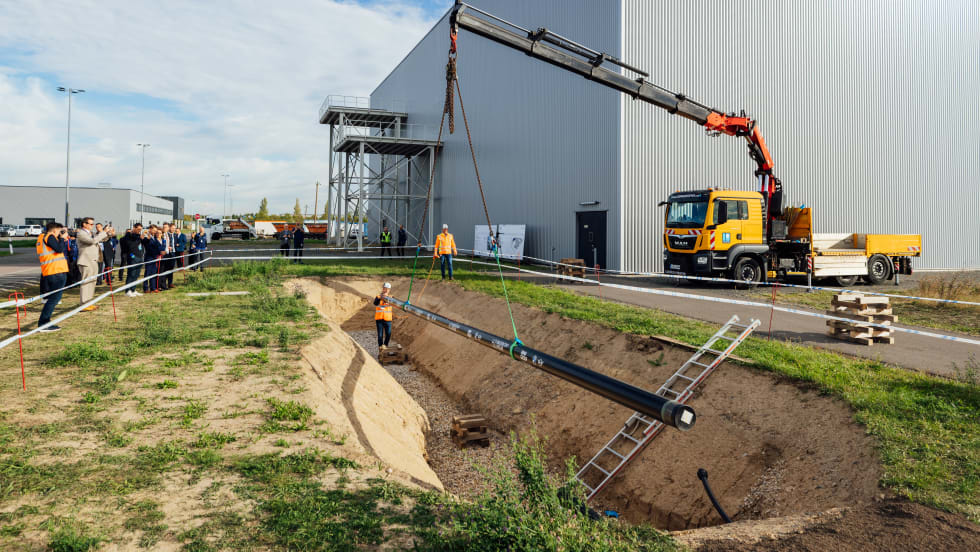
BMW Plant Pursues Cleaner Energy
BMW Group Plant Leipzig has utilized hydrogen to help power its production since 2013, but a new pipeline is planned to take it to another level.
Read More →
Auto Affordability Inches Up
The latest Cox Automotive and Moody’s Analytics index shows a slight increase in new-vehicle affordability despite high prices.
Read More →
Ohio Auto Group Under New Ownership
After 79 years with the Schluter family, Mansfield Auto Group has been acquired by Missouri-based Clement Auto Group.
Read More →
RV Group Expands Carolina Footprint
Blue Compass RV Columbia Northeast is the 13th RV dealership owned by Blue Compass in the Carolinas.
Read More →
Agent Acumen
An Agent Summit panel of people who’ve been supporting auto dealers for years gave both timely and timeless advice for those starting out or mulling the prospect.
Read More →
Missed Maintenance Creates Opportunity
As families get back on the road and into daily school routines, service drives have an opportunity to capture customers who are behind on recommended vehicle maintenance.
Read More →