



Beginning the Year Right
Help your dealer clients apply these 2026 tax strategies for their business wealth.

Moving beyond traditional profit-share models to integrate an advanced, flexible hybrid wealth-building program should be a primary goal of an initial financial strategy review.
Pexels/Leeloo The First
The financial calendar recently turned, marking an important time for automotive dealership executives. While the focus shifts to setting ambitious targets for the new year, the first month or two is the opportune moment to integrate the sophisticated tax strategies and wealth-building structures that will define financial success for the rest of the year and beyond.
For dealers committed to optimizing profitability and establishing long-term financial security, the start of the year serves as a clear reminder of the value inherent in implementing tax-efficient F&I participation structures now. Moving beyond traditional profit-share models to integrate an advanced, flexible hybrid wealth-building program should be a primary goal of any initial 2026 financial strategy review.
Proactive Planning: Aligning Strategy with F&I Revenue
For many dealerships, the earliest months represent the ideal window for executing the foundational tax strategies that will govern the year. Instead of reacting to year-end deadlines, dealers can now proactively structure their operations to retain capital and minimize future tax payments.
The focus on proactive implementation highlights the specific advantages of an advanced Dealer Owned Warranty Company hybrid format. The specialized wealth-building program is designed to integrate the operational simplicity of traditional reinsurance with the sophisticated tax advantages of a domestic warranty company.
Tax Advantage: Unlike many upfront commission or profit-share models that provide immediately taxable income to the dealership, the hybrid approach facilitates the capture of underwriting profit and investment income within a dedicated entity.
Income Control: This structure often allows for income recognition and distribution timing to be controlled by the dealer, providing the potential for significant tax deferral over the year.
Starting the year with a structure that aligns F&I revenue with deliberate corporate tax timing is not just beneficial—it is a mandatory move toward financial maturity. By establishing this favorable tax position early, dealers mirror the long-term benefit of a full DOWC and create an immediately relevant asset for the executive office throughout the year.
New Framework for Owner Wealth Accumulation
The primary purpose of any F&I participation program should be to transform short-term sales profits into long-term owner wealth. The advanced hybrid structure excels by lowering the typical barriers to entry while maximizing compounding potential from day one.
Traditionally, establishing a full DOWC requires substantial capital reserves and some administrative overhead. The new hybrid structure alleviates that burden through a notably low capitalization requirement, making it accessible to a wider range of high-performing dealerships at the start of the year.
Professional Management: Dealers gain the strategic advantage of leveraging third-party investment advisers. Funds generated from F&I products—including vehicle service contracts, ancillary products, maintenance plans, and limited warranties—are managed by professionals focused solely on long-term growth.
Efficient Compounding: The combination of low required capital, professional investment guidance, and the tax-deferral potential inherent in the structure ensures that wealth compounds efficiently. That creates an increasingly valuable asset separate from the daily operations of the dealership, which is the hallmark of a true wealth-building strategy.
Enhancing Dealership Business and Profit Potential
Beyond the dealership executive's personal wealth strategy, implementing the program at the beginning of the year offers fundamental enhancements to the dealership business itself. A key operational advantage is the program's structure regarding liability: The partnering administrator acts as the contract obligor for all products offered. That critical detail simplifies operational execution, freeing the dealer’s balance sheet from direct claims risk and reducing the regulatory complexity often associated with full warranty ownership.
Furthermore, the availability of quota shares provides dealers with flexible options for risk management and profit sharing with multiple shareholders. That enables a tailored approach that fits the dealership group’s appetite for risk and required cash flow needs throughout the year.
The result is a structure that supports higher, more stable profit retention than standard profit-share models, directly enhancing the overall enterprise value of the dealership. By combining the ease of management with the financial control and tax efficiency of a dealer-owned model, the hybrid program transforms finance-and-insurance from a simple revenue stream into a strategic asset that drives core business profitability and long-term security from the moment it is adopted.
Your Next Strategic Move
In the decisive start-of-year period, when setting financial goals highlights the necessity of optimization, dealership executives must consider moving to an advanced wealth vehicle. Leveraging the simplicity, tax benefits, and high profit potential of the hybrid structure ensures that F&I success translates directly into robust, enduring owner wealth.
LEARN MORE: 'Big, Beautiful Bill' Good Planning Impetus
Tim Blochowiak is the vice president-sales, client wealth, financial institutions, and training for Protective Asset Protection.
EDITOR’S NOTE: This article was authored and edited according to Agent Entrepreneur editorial standards and style. Opinions expressed may not reflect that of the publication.
More Industry
Nebraska Rooftop Changes Hands
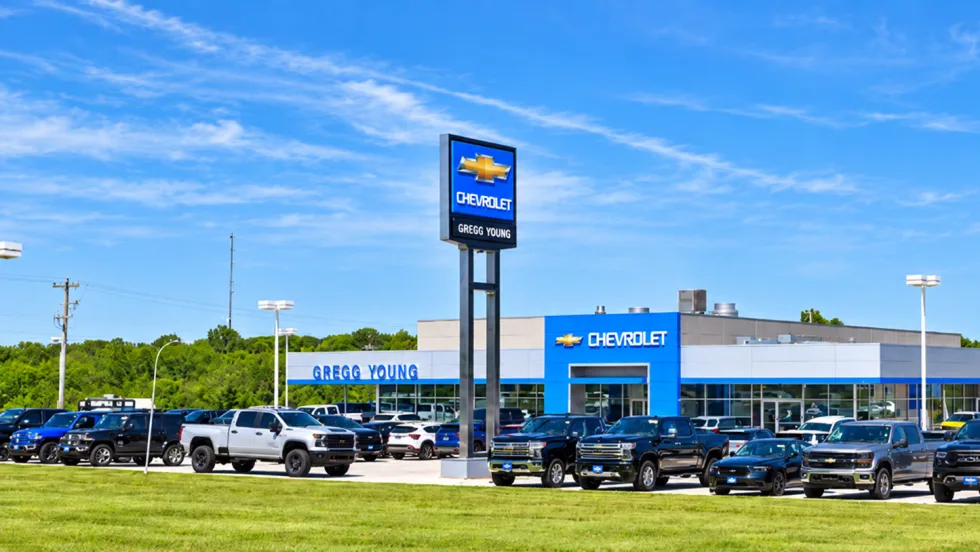
The Gregg Young Automotive Group has sold its second dealership to Janssen Auto Group, both in Plattsmouth, Neb.
Read More →
Penske Auto Group Deal a Record
The deal to take the dealership and transportation services company private sets a new pace for industry buy-sell transactions.
Read More →
War Toll a Damper on Used Auto Prices
Cox Automotive found wholesale depreciation to be elevated in September amid high fuel prices and this year's unusual hurricane season.
Read More →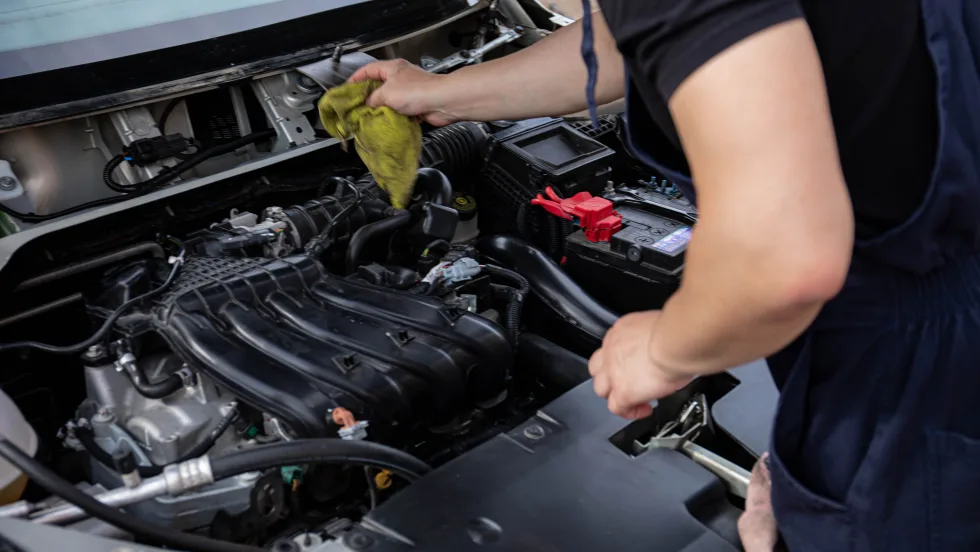
Bridge the Maintenance Gap
With many drivers missing recommended maintenance, service departments offering transparency and efficiency have a better chance of reaching financially strained consumers.
Read More →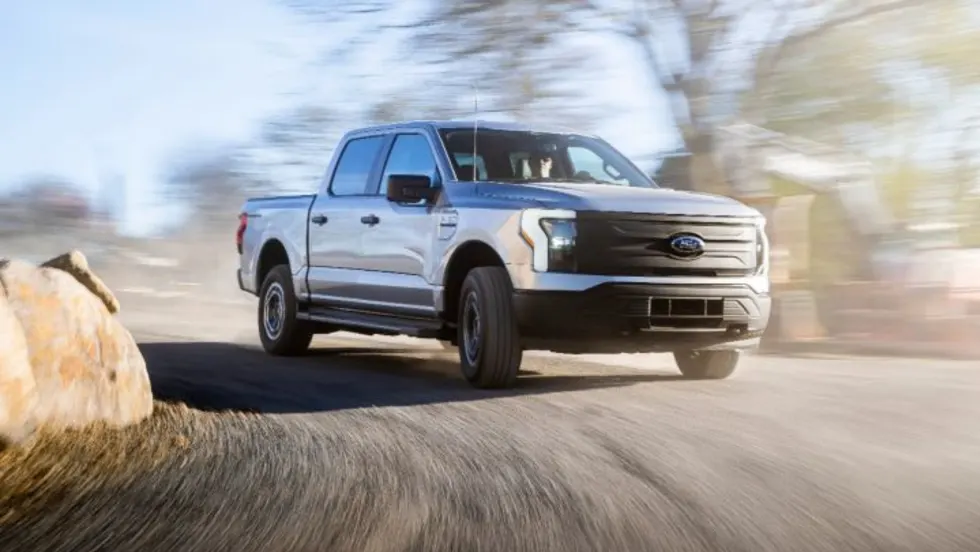
California Store Has New Owner
The longtime dealership in the northern part of the state is known for robust fleet sales and has served the state capital for 115 years.
Read More →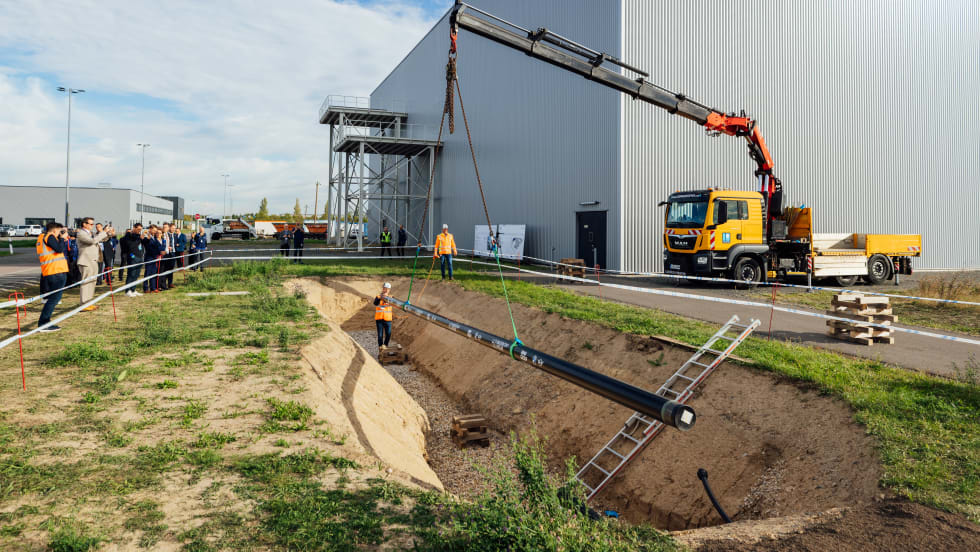
BMW Plant Pursues Cleaner Energy
BMW Group Plant Leipzig has utilized hydrogen to help power its production since 2013, but a new pipeline is planned to take it to another level.
Read More →
Auto Affordability Inches Up
The latest Cox Automotive and Moody’s Analytics index shows a slight increase in new-vehicle affordability despite high prices.
Read More →
Ohio Auto Group Under New Ownership
After 79 years with the Schluter family, Mansfield Auto Group has been acquired by Missouri-based Clement Auto Group.
Read More →
RV Group Expands Carolina Footprint
Blue Compass RV Columbia Northeast is the 13th RV dealership owned by Blue Compass in the Carolinas.
Read More →
Agent Acumen
An Agent Summit panel of people who’ve been supporting auto dealers for years gave both timely and timeless advice for those starting out or mulling the prospect.
Read More →