



Maximizing Profitability Through Strategic Reinsurance
Thought and preparation should be leveraged in deciding how your dealership applies this wealth-generating tool.

It’s essential to recognize that not all products are suitable for inclusion in reinsurance programs.
Pexels/Artem Podrez
Navigating the complexities of reinsurance and wealth management can be overwhelming, especially when your primary focus as a dealer is ensuring that your F&I products align with your financial objectives. The decisions you make regarding these products directly influence the strength and sustainability of your reinsurance program. Now might be the right time to reassess your current structure and determine if you’re truly maximizing your profitability and wealth-building potential.
The Strategic Advantage of Reinsurance
Reinsurance programs offer a unique opportunity to enhance wealth by allowing dealers to retain a significant portion of the profits generated from F&I products. However, while the benefits are clear, not all reinsurance platforms are created equal. The automotive industry has evolved, with increased regulations providing greater stability, but understanding the available options is critical to selecting the right fit for your dealership.
Tailored Solutions for Optimal Results
Each dealership has distinct needs. The key to success is selecting the right structure and products that not only appeal to your customers but also contribute to profitability. Wealth management in this space involves partnering with financial experts who are well-versed in reinsurance intricacies. These partners should align with your goals and help steer your program toward maximum returns—a factor that is often overlooked but crucial to long-term success.
For instance, retrocession, or retro, reinsurance is an option that transfers the risk to another reinsurer. While this platform offers profit participation without exposure to losses, it has limitations. Dealers benefit only if losses remain below 100%, and there’s no opportunity for investment income. Additionally, the administrator handles claims, limiting control. For smaller dealerships, a retro program can be a viable option, particularly for service contracts, provided they meet the minimum annual qualifications.
Alternatively, dealer reinsurance allows dealers to share in the underwriting profits from F&I products sold. This option demands diligence, particularly in understanding the varying administration fees associated with different service contracts. Ensuring you receive equitable service for the fees charged is crucial for maintaining profitability.
Enhancing Customer Loyalty and Retention
Relying on OEM factory contracts may seem like a safe option, but it offers little in terms of customer loyalty or service retention. These contracts often do little to drive repeat business, handing your clients back to the OEM and missing the chance to build long-term relationships. Incorporating customer retention and loyalty into your reinsurance strategy can set your dealership apart and strengthen your reputation.
Maximizing Reinsurance Success
It’s essential to recognize that not all products are suitable for inclusion in reinsurance programs. Certain high-end models may not fit, and direct deals might offer better outcomes. Understanding the various fees associated with reinsurance—administration fees, ceding fees, premium taxes, and repair order fees—is critical. Working with experienced F&I agents can provide valuable insights, including potential discounts on admin fees and enhanced dealer support.
Regularly reviewing your cession statements—typically released quarterly—is a best practice. These statements offer crucial insights into claims paid and the overall health of your reinsurance company. A typical benchmark is a 60%-profit-to-40%-loss ratio, but staying informed is essential for maintaining a profitable reinsurance program.
Regular Reinsurance Check-Ups: The 18-Month Rule
Dealers should aim to reassess their reinsurance structures every 18 months to ensure profitability and efficiency. Keeping an eye on losses, adjusting premiums accordingly, and ensuring no additional fees are creeping into your admin charges are key steps to maintaining profitability.
Which Products Should Be Included?
Certain products perform better under reinsurance, particularly on nonhighline vehicles. These include:
Service contracts
Tire-and-wheel protection
Chemicals
Etch
Prepaid maintenance (though with a higher loss ratio)
GPS
For high-line vehicles, only automotive protection chemicals, such as paint and fabric treatments, should be included in reinsurance programs, other coverages managed through retro programs where no risk is carried on losses.
What Products Shouldn’t Be Included?
Dealers should be cautious with high-line cars in reinsurance programs. These vehicles often generate claims too large to cover without significant reserves, making them a poor fit for these programs.
Take Control of Your Reinsurance Strategy
Many dealers struggle to stay on top of the intricacies of their reinsurance plans due to the overwhelming demands of running a dealership. However, it’s vital to have a clear understanding of what you’re paying out and the services you’re receiving. Engaging with your brokers, accountants, financial officers, and agents during quarterly reviews can provide the clarity needed to make informed decisions.
By staying proactive and engaged with your reinsurance strategy, you can better protect your dealership’s financial health and build wealth for the long term.
Frank Torchia is a regional vice president with Vanguard Dealer Services.
EDITOR’S NOTE: This article was authored and edited according to F&I and Showroom editorial standards and style. Opinions expressed may not reflect that of the publication.
Originally posted on F&I and Showroom
More F&I
To Include Products in the First Pencil or Not
In this month's Under the Hood, Editor Hannah Mitchell examines a question many auto dealers have been asking since Federal Trade Commission enforcement intensified this year.
Read More →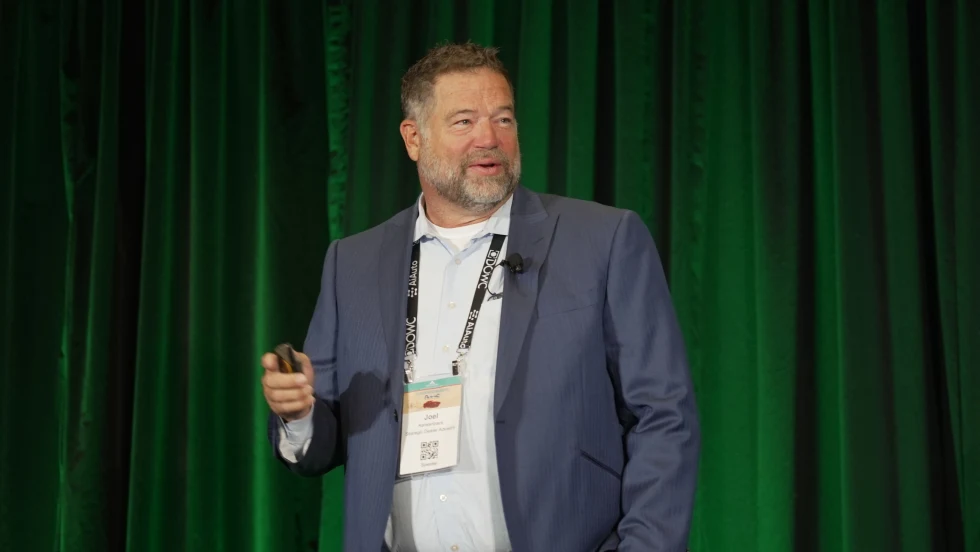
Get Ahead of the Change
A strong culture, among other things, will be a key differentiator for auto dealerships as the market speeds ahead to new heights, says industry veteran Joel Kansanback.
Read More →
F&I Without the Handoff
Get more familiar with what your dealer clients are really buying when they entrust you with finance-and-insurance.
Read More →
Affordability Shapes Auto Demand
Auto originations increased 1% in the first quarter, and electric vehicles are rebounding, according to TransUnion's latest credit report.
Read More →
The Evolution of Agency Development in Modern F&I
General agents have a different roadmap for success than their predecessors. It will pay for them to follow it in order to be true dealer partners.
Read More →
Four-Figure Loan Payments on the Rise
A LendingTree analysis found that location, age and credit score play a role in the rising amount of auto loan borrowers who make monthly payments of $1,000 or more.
Read More →
APCO Holdings Acquires Fidelity Dealer Services
The finance-and-insurance product provider says the addition strengthens EasyCare’s reach across key markets.
Read More →
Tariffs Could Raise Insurance Premiums
As U.S. import tariffs affect repair costs, consumers might find it more affordable to replace a damaged vehicle, according to recent Insurify tariff analysis.
Read More →
Smaller Loans, Longer Terms
The youngest generation of car buyers is more likely to finance less expensive vehicles, more than half of generation Z consumers borrowing less than $25,000.
Read More →
Ensure Your Clients Are Sure About Reinsurance
Industry experts recently broke down the complicated profit center at Agent Summit. Learn what’s relevant and what’s new to share with your dealers.
Read More →