



EV Demand Muddled
Surveys find varying degrees of interest amid incentives pullback.
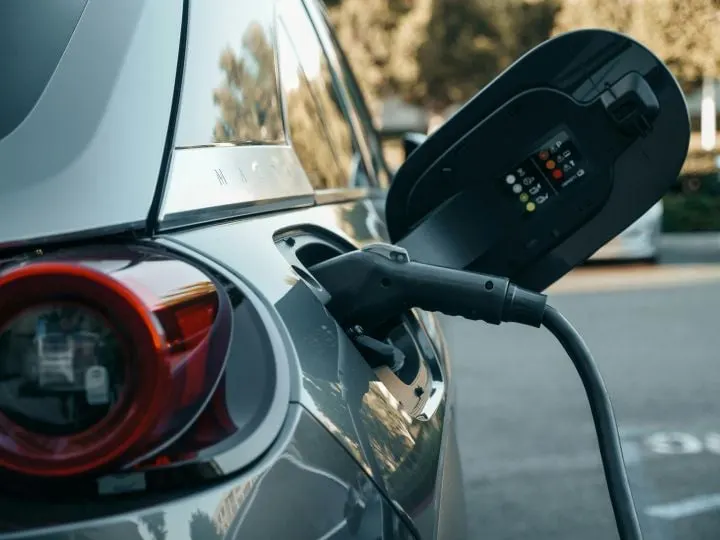
The two surveys found different levels of consumer concern about public charger availability.
Pexels/Kindel Media
Consumer demand for electric vehicles is being tempered by anti-green Trump administration policies, but the question is by how much.
Two recent surveys provide significantly different readings on the EV demand pulse.
While a J.D. Power poll found 24% of consumers in the market for a new car are very likely to consider a pure EV, a AAA survey found just 16% are very likely or likely to consider EVs.
Respondents to AAA’s poll who are unlikely or very unlikely to go electric jumped from 51% to 63%, its highest level in three years.
The disparity could be in part because AAA conducted its survey during one week in March shortly after the initial U.S. trade tariffs were announced, whereas J.D. Power fielded its poll during the must wider period of January through April.
The two surveys also found slightly different values consumers are placing on adoption obstacles. J.D. Power’s saw purchase price and ownership cost concerns fall as public charging concerns stayed at the top, while AAA’s found cost considerations to be the top two barriers.
Shifting sentiments likely result from federal policy moving from pro-electric under the Joe Biden administration to the opposite under President Donald Trump, whose administration has pulled funding to states for charger development and is pursuing the end of EV purchase tax credits and manufacturing incentives.
Many automakers had already been refocusing on more hybrid vehicle production before the fall elections, though they haven’t abandoned electric. Ford, for example, recently told the Detroit Free Press that it plans to keep developing its EV business.
Still, EV-dampening moves in the U.S. capital appear to be sewing uncertainty among consumers. AAA found that those believing most U.S. cars will be electric in the coming 10 years has fallen from 40% in 2022 to 23% this year. And those interested in going electric to secure a federal tax credit fell from 60% last year to 39%.
DIG DEEPER: EV Apps Valued But Often Disappointing
Originally posted on F&I and Showroom
More Industry

Penske Auto Group Deal a Record
The deal to take the dealership and transportation services company private sets a new pace for industry buy-sell transactions.
Read More →
War Toll a Damper on Used Auto Prices
Cox Automotive found wholesale depreciation to be elevated in September amid high fuel prices and this year's unusual hurricane season.
Read More →
Bridge the Maintenance Gap
With many drivers missing recommended maintenance, service departments offering transparency and efficiency have a better chance of reaching financially strained consumers.
Read More →
California Store Has New Owner
The longtime dealership in the northern part of the state is known for robust fleet sales and has served the state capital for 115 years.
Read More →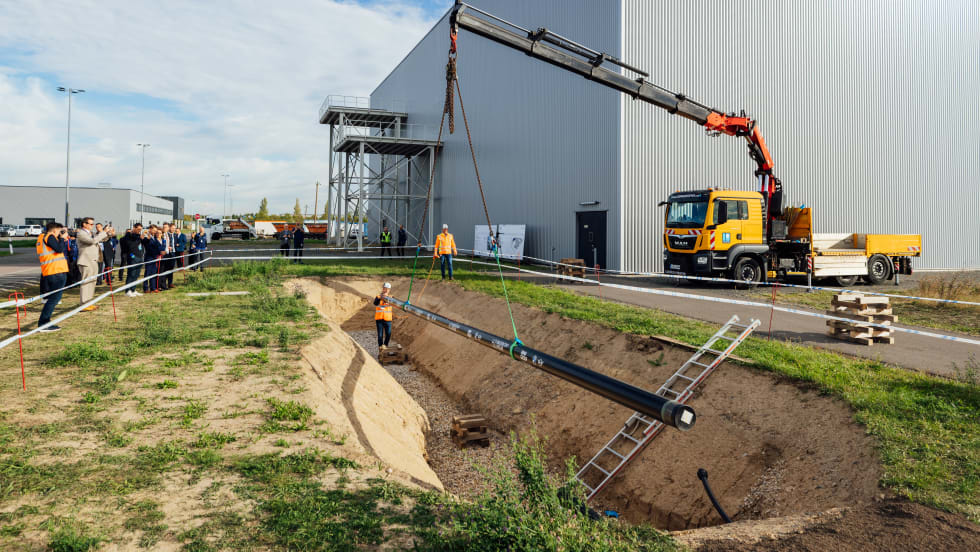
BMW Plant Pursues Cleaner Energy
BMW Group Plant Leipzig has utilized hydrogen to help power its production since 2013, but a new pipeline is planned to take it to another level.
Read More →
Auto Affordability Inches Up
The latest Cox Automotive and Moody’s Analytics index shows a slight increase in new-vehicle affordability despite high prices.
Read More →
Ohio Auto Group Under New Ownership
After 79 years with the Schluter family, Mansfield Auto Group has been acquired by Missouri-based Clement Auto Group.
Read More →
RV Group Expands Carolina Footprint
Blue Compass RV Columbia Northeast is the 13th RV dealership owned by Blue Compass in the Carolinas.
Read More →
Agent Acumen
An Agent Summit panel of people who’ve been supporting auto dealers for years gave both timely and timeless advice for those starting out or mulling the prospect.
Read More →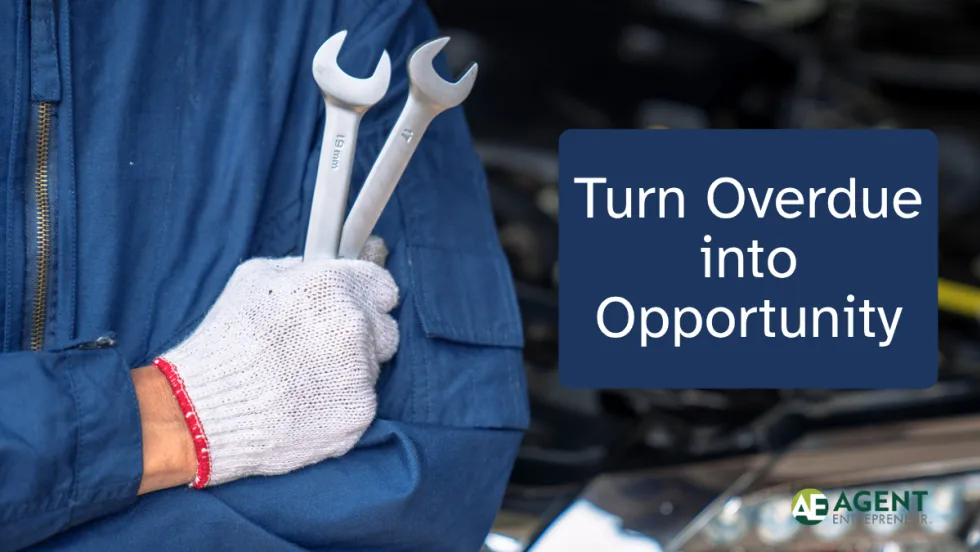
Missed Maintenance Creates Opportunity
As families get back on the road and into daily school routines, service drives have an opportunity to capture customers who are behind on recommended vehicle maintenance.
Read More →