



Tariff Sales Rush Cuts Supply
Cox analysis forecasts continued brisk spring sales eating into existing inventories, along with coming price hikes, especially for lower-priced models.

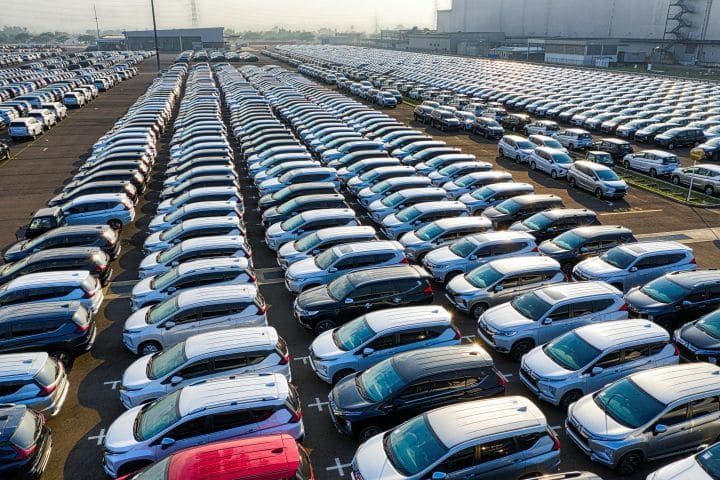
A sales increase in March cut into existing vehicle inventories ahead of U.S. trade tariffs' effects.
Pexels/Tom Fisk
Industry analysts at Cox Automotive, after a March surge in new-vehicle sales as consumers rushed to beat trade tariff impacts, expect continued strong spring sales that will further eat into existing inventory.
Days’ supply fell during the month from 89, or about three months of supply, to 71. Meanwhile, used-vehicle inventory dwindled to 38 days, though Cox pointed out that’s typical with the annual spring sales bump.
Supply conditions varied widely by brand based on inventory levels before the rush. Cox says Ford, Mazda and Hyundai inventories were all at more than four months’ worth as the month opened, while Stellantis-owned Jeep and Ram were slightly under that, and Toyota, Honda and Subaru supplies were much lower.
A key inventory metric to watch, though, will be the more affordable, high-volume models, which will be particularly vulnerable to the 25% U.S. trade tariff on imported vehicles that took effect on April 3.
Cox estimates that over 40% of 2024 new-vehicle sales were models priced under $40,000, far below the $48,000-plus average, and sees almost 80% of models under $30,000 being subject to the tariff.
It calls the new conditions “uncharted territory” and estimates that affected vehicles’ prices will rise 10% to 15% at a time that consumers were still adjusting to pandemic-era price inflation, albeit inflation that had calmed over the past two years. It also predicts 5% price increases for vehicles not subject to the full tariff.
With the tariffs, U.S. President Donald Trump is targeting increased U.S. vehicle production and also cites national security as a motivating factor. Cox urges a more thoughtful approach.
“We support manufacturing vehicles within the United States; however, it is important to acknowledge that such transitions require time and investments, which are certainly possible, but all begin with long-term stability in policy and consistent rulemaking at the borders,” said Executive Analyst Erin Keating. “The rollout of massive new tariffs at the U.S. border has been anything but.”
Originally posted on Auto Dealer Today
More Industry

Penske Auto Group Deal a Record
The deal to take the dealership and transportation services company private sets a new pace for industry buy-sell transactions.
Read More →
War Toll a Damper on Used Auto Prices
Cox Automotive found wholesale depreciation to be elevated in September amid high fuel prices and this year's unusual hurricane season.
Read More →
Bridge the Maintenance Gap
With many drivers missing recommended maintenance, service departments offering transparency and efficiency have a better chance of reaching financially strained consumers.
Read More →
California Store Has New Owner
The longtime dealership in the northern part of the state is known for robust fleet sales and has served the state capital for 115 years.
Read More →
BMW Plant Pursues Cleaner Energy
BMW Group Plant Leipzig has utilized hydrogen to help power its production since 2013, but a new pipeline is planned to take it to another level.
Read More →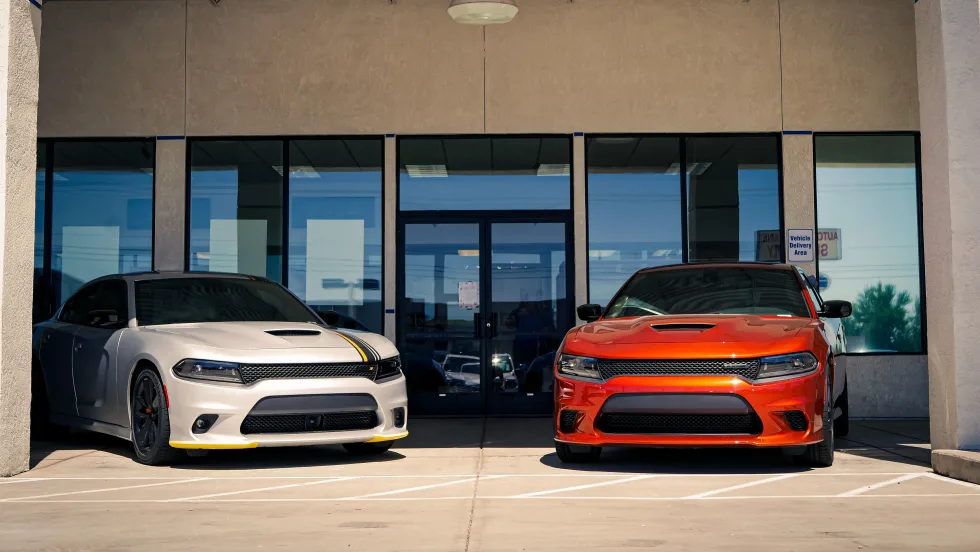
Auto Affordability Inches Up
The latest Cox Automotive and Moody’s Analytics index shows a slight increase in new-vehicle affordability despite high prices.
Read More →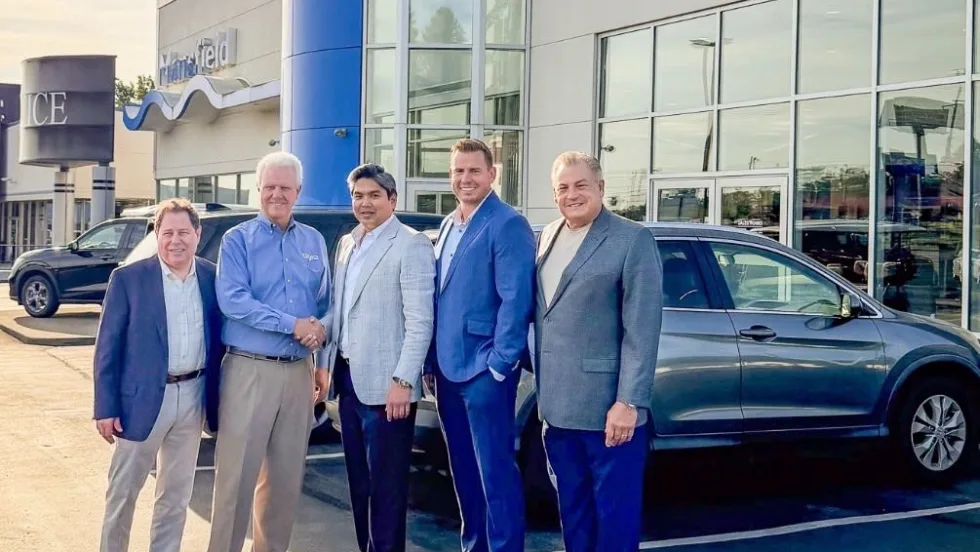
Ohio Auto Group Under New Ownership
After 79 years with the Schluter family, Mansfield Auto Group has been acquired by Missouri-based Clement Auto Group.
Read More →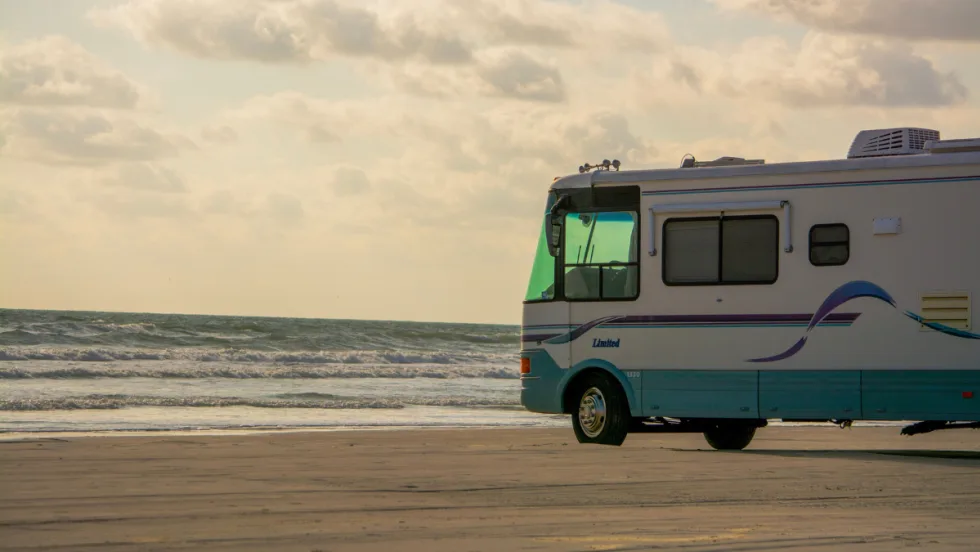
RV Group Expands Carolina Footprint
Blue Compass RV Columbia Northeast is the 13th RV dealership owned by Blue Compass in the Carolinas.
Read More →
Agent Acumen
An Agent Summit panel of people who’ve been supporting auto dealers for years gave both timely and timeless advice for those starting out or mulling the prospect.
Read More →
Missed Maintenance Creates Opportunity
As families get back on the road and into daily school routines, service drives have an opportunity to capture customers who are behind on recommended vehicle maintenance.
Read More →