



The FTC’s Proposed CARS Rule in 600 Words
Some guidance on the pending regulation, which may be enacted early next year.

Though the CARS Rule hadn't taken effect as of this writing, dealers should prepare because it could become law early this year.
Pixabay/markusspiske
The proposed CARS Rule, Combating Auto Retail Scams Rule, or the National Automobile Dealers Associations’ preferred name, the Vehicle Shopping Rule, could transform the car business. It is not yet law, but dealers need to prepare because it could become effective early this year. There is much to study in the VSR, and this short article can provide only a summary of the central issues.
History and Current Status
The VSR was first initiated in January 2024. It was legally contested by NADA and the Texas Automobile Dealers Association in October. A year later, a ruling by the Fifth Circuit Court of Appeals is expected in early 2025. The effective date for compliance might be mid-2025 if the court rules in favor of the Federal Trade Commission.
Perspectives – Dueling Views
The genesis of the VSR is that vehicle issues have been the top consumer complaint for the past 40 years. The perspectives between the FTC and NADA couldn’t be more starkly divergent. For example:
The FTC says, “The CARS Rule will prohibit exploitative junk fees in the car-buying process, saving people time and money and protecting honest dealers.” NADA retorts with, “This regulation is heavy-handed bureaucratic overreach and redundancy at its worst …”
The FTC estimates that the VSR will save car-buying consumers an estimated $3.4 billion. The NADA study counters by asserting that the VSR will increase costs by $24.1 billion over 10 years.
The VSR
The rule is divided into sections:
Authority
Definitions
Prohibited misrepresentations
Disclosure requirements
Dealer charges for add-ons and other items
Record-keeping
Waiver not permitted
Severability
Relation to state laws
Key Sections
There are several key sections that demand special dealer attention: 1] Definitions, 2] Prohibited misrepresentations, 3] Disclosure requirements, 4] Dealer charges for add-ons and other items, and 5] Record-keeping.
A new term for vehicle transactions is introduced in the definitions section: Express, informed consent. This term means the consumer must understand the transaction beyond merely signifying his or her assent by a signature or initials. Offering price is another modified term in which the gross cost of the offer must be presented, with only government fees being excluded. Other terms in this section are also quite important.
The prohibited misrepresentations section is redundant to consumer law, as 16 such violations are posted that already are unlawful.
The Disclosure requirements section addresses 1] offering price, 2] truthful language for add-ons not being required, 3] a mandate that the total of payments and consideration for a financed or lease transaction be disclosed, and 4] how monthly payments should be compared.
The dealer charges for add-ons and other items forbids 1] selling add-ons that provide no benefit and 2] retailing any item without garnering express, informed consent from the consumer.
One would think the record-keeping section would be benign. It is not. Copious records must be maintained and created to track consumer interaction. Essentially, all records must be maintained for no fewer than 24 months.
Chief Concerns for the Underwriting Community
Financing sources may be sued by consumers for vehicle transactions pursuant to the Holder Rule and, indeed, violations of the VSR. Will financing sources seek additional representations and warranties in their dealer agreements and become more involved with dealers in protocols due to the potential liability?
Some Solutions and Recommendations
In order to abide by the VSR, new forms and protocols will be needed. No fewer than three new documents will be needed in the transactional process.
Conclusion
Six hundred words only begins to explain this onerous law. Dealers face legal perils they have never encountered. Being forewarned is being forearmed.
Terry O’Loughlin is director of compliance for Reynolds and Reynolds and is admitted to the Pennsylvania and Florida bars. Before joining Reynolds, he was employed by the Florida Office of the Attorney General, where he investigated automobile dealers and financing sources. He previously was a public accountant.
LEARN MORE: CARS Rule Update: 5th Circuit Oral Arguments Recap
Originally posted on F&I and Showroom
More Industry

Penske Auto Group Deal a Record
The deal to take the dealership and transportation services company private sets a new pace for industry buy-sell transactions.
Read More →
War Toll a Damper on Used Auto Prices
Cox Automotive found wholesale depreciation to be elevated in September amid high fuel prices and this year's unusual hurricane season.
Read More →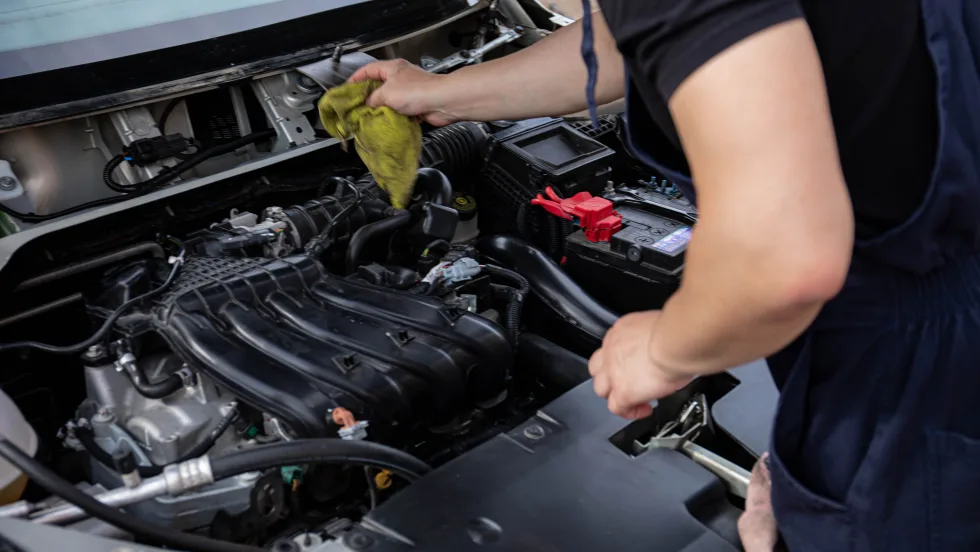
Bridge the Maintenance Gap
With many drivers missing recommended maintenance, service departments offering transparency and efficiency have a better chance of reaching financially strained consumers.
Read More →
California Store Has New Owner
The longtime dealership in the northern part of the state is known for robust fleet sales and has served the state capital for 115 years.
Read More →
BMW Plant Pursues Cleaner Energy
BMW Group Plant Leipzig has utilized hydrogen to help power its production since 2013, but a new pipeline is planned to take it to another level.
Read More →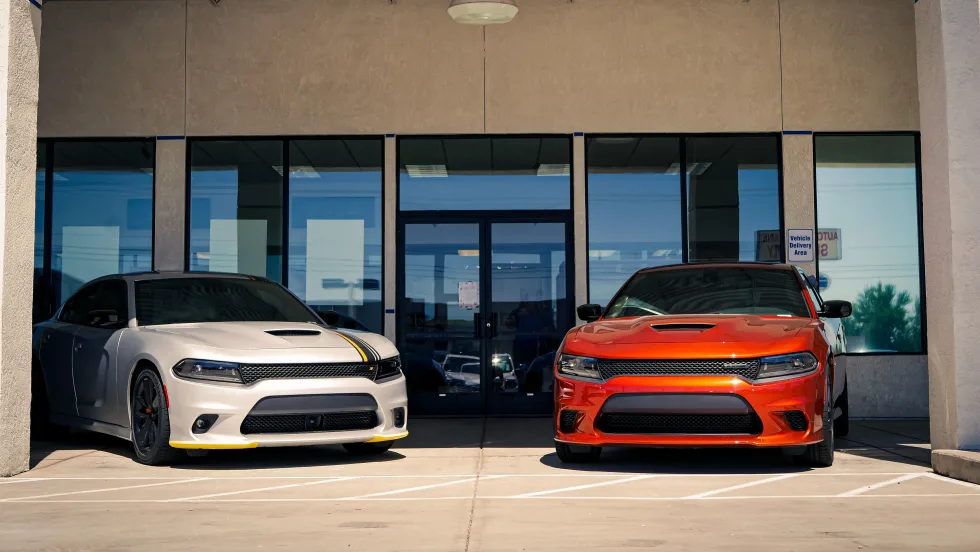
Auto Affordability Inches Up
The latest Cox Automotive and Moody’s Analytics index shows a slight increase in new-vehicle affordability despite high prices.
Read More →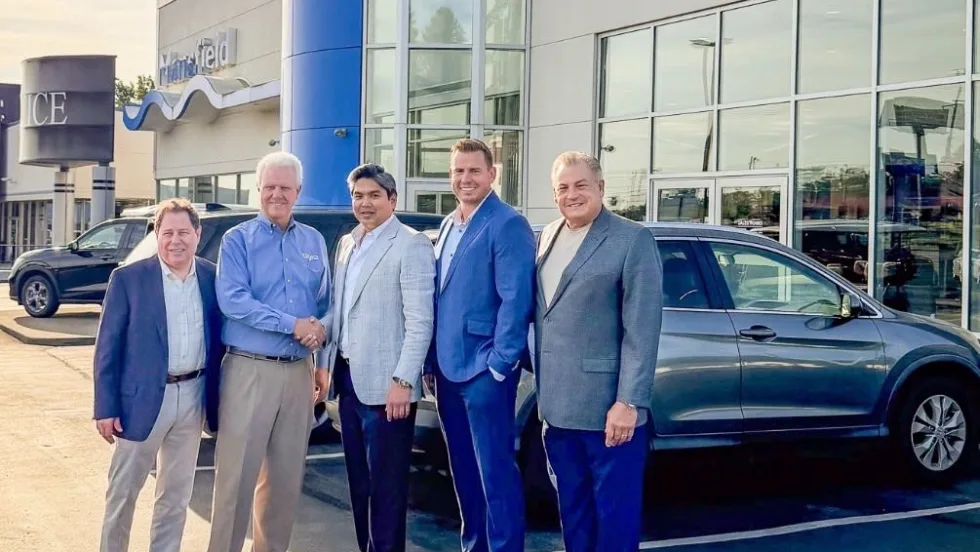
Ohio Auto Group Under New Ownership
After 79 years with the Schluter family, Mansfield Auto Group has been acquired by Missouri-based Clement Auto Group.
Read More →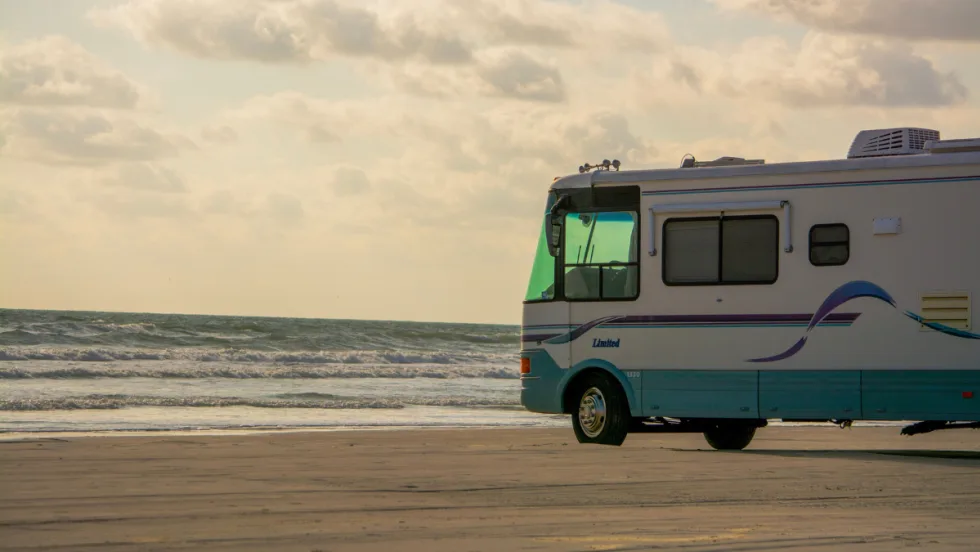
RV Group Expands Carolina Footprint
Blue Compass RV Columbia Northeast is the 13th RV dealership owned by Blue Compass in the Carolinas.
Read More →
Agent Acumen
An Agent Summit panel of people who’ve been supporting auto dealers for years gave both timely and timeless advice for those starting out or mulling the prospect.
Read More →
Missed Maintenance Creates Opportunity
As families get back on the road and into daily school routines, service drives have an opportunity to capture customers who are behind on recommended vehicle maintenance.
Read More →