



Is the Death Knell Being Sounded for Dealer Financing?
There appears to be a regulatory target on auto dealer-provided loans.

Are consumers exploited by the present dealer F&I process in contracting for vehicle financing?
Pexels/Jakub Zerdzicki
Government works in mysterious ways and, quite often, it has a hidden agenda. The fourth branch of government – federal and state agencies – possess all the powers, albeit modified, one would normally associate with the traditional view of government with its three branches: legislative, executive and judicial functions. Agencies create laws, enforce these laws, and adjudicate parties they deem as lawbreakers or defendants. The Consumer Financial Protection Bureau, a federal agency, is currently embarking on an apparent covert mission to delegitimize dealer financing and advancing alternatives. It is being aided by various consumer interest groups.
Direct vs. Indirect Financing
Direct financing necessitates the consumer seek preapproval from either a bank or a credit union. Once the extension of credit is issued, the consumer can pay the dealer directly after arranging for the vehicle purchase.
With indirect financing, the finance manager establishes a financing source that evaluates the creditworthiness of the consumer and accepts the assignment of the retail installment sale contract. The interest rate paid by the consumer is the sell rate, but the buy rate is what the financing source receives. The difference, or the reserve, is the dealer’s profit on the transaction.
The reserve is pejoratively termed a markup by prominent government officials, as though it is exploitive. It should be underscored that money has a time value, and all financing sources charge for this time value. Banks, for example, profit from extending credit. The cost of the capital to a consumer includes an interest rate that partially includes a profit margin, quite similar to the indirect model. True car loans, extended by a bank, include profit in the form of interest. In other words, the dealer model is not dissimilar to the financing source’s model, the preferred model by government and consumer advocates.
Overarching Issues
There are two major issues that the CFPB, Federal Trade Commission and other agencies believe need to be redressed: discrimination and the belief that “hidden kickbacks” increase interest rates on retail installment sale contracts. CFPB Director Rohit Chopra, FTC Commissioner Kelly Slaughter, and Sen. Elizabeth Warren have all issued strong statements decrying these two issues.
Two Rounds of Financing Source Data Requests – the Proof
In February 2023 and February 2024, the CFPB requested enormous amounts of data from both large and small financing sources. In the initial pilot, the CFPB focused its data requests on lending channels and required financing sources to identify whether each financing contract was direct or indirect and its specific terms. It should be noted that the CFPB continues to refer to retail installment sale contracts as “loans,” which they are not. Although car dealers are creditors, they are not banks and, consequently, they do not extend credit in the form of loans. The other request by the CFPB concerned information regarding repossessions.
The central question is why the CFPB concerns itself with whether the financing is the product of indirect versus direct underwriting. Almost all funding sources engage in indirect underwriting, and these sources include captive financing companies, banks and credit unions.
Conjectured Conclusion
There is clear animus toward the car business and how effective dealers are in providing financing to many consumers. Are consumers exploited by the present dealer F&I process in contracting for vehicle financing? Are consumers thus paying higher interest rates? If so, is the difference meaningful? The answers to these questions appear to be no. The results of the CFPB investigation will be made public, but regardless of the data, the CFPB will probably provide guidance antithetical to indirect financing. As to what degree, it remains to be seen.
DIG DEEPER: You and the Cash Reporting Rule
Terry O’Loughlin is director of compliance for Reynolds & Reynolds and is admitted to the Pennsylvania and Florida bars. Before joining Reynolds, he was employed by the Florida Office of the Attorney General, where he investigated automobile dealers and financing sources. He previously was a public accountant.
Originally posted on F&I and Showroom
More Industry

Penske Auto Group Deal a Record
The deal to take the dealership and transportation services company private sets a new pace for industry buy-sell transactions.
Read More →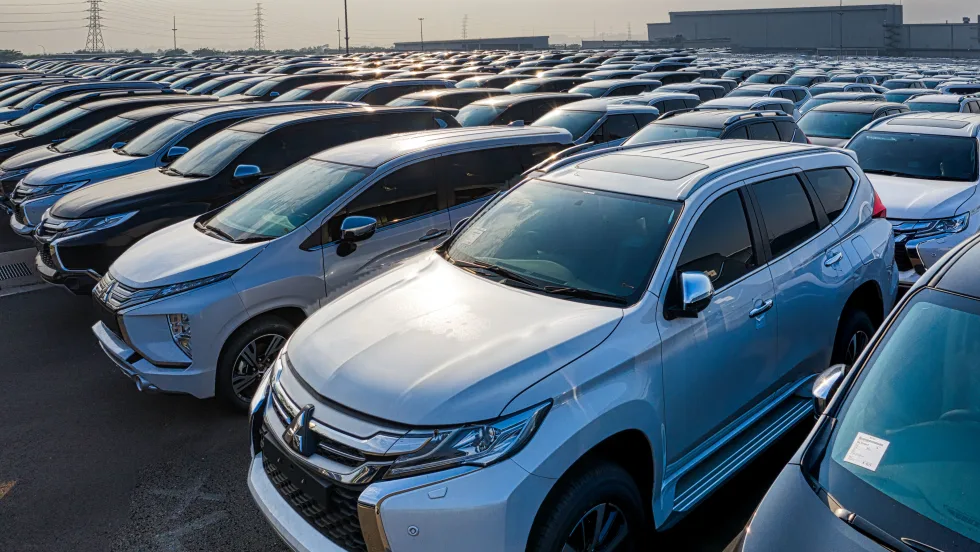
War Toll a Damper on Used Auto Prices
Cox Automotive found wholesale depreciation to be elevated in September amid high fuel prices and this year's unusual hurricane season.
Read More →
Bridge the Maintenance Gap
With many drivers missing recommended maintenance, service departments offering transparency and efficiency have a better chance of reaching financially strained consumers.
Read More →
California Store Has New Owner
The longtime dealership in the northern part of the state is known for robust fleet sales and has served the state capital for 115 years.
Read More →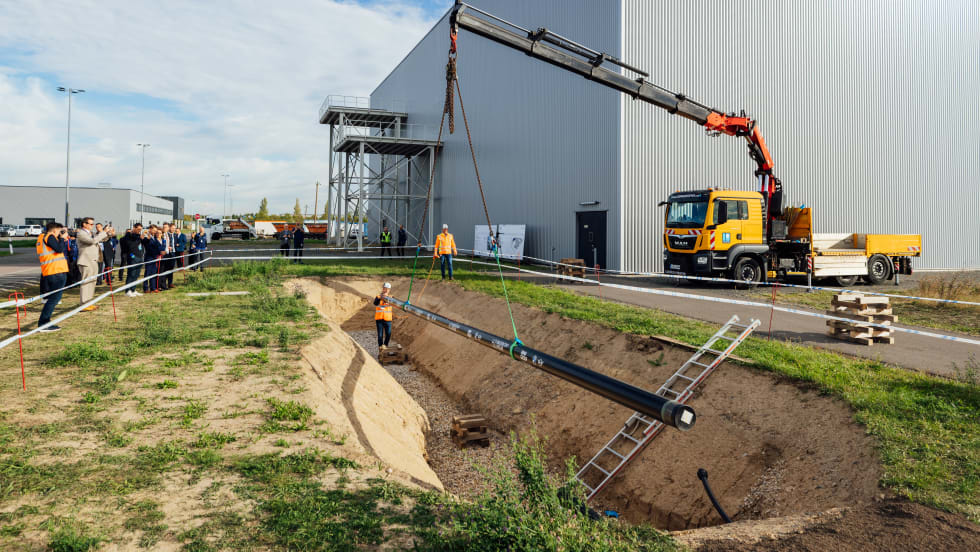
BMW Plant Pursues Cleaner Energy
BMW Group Plant Leipzig has utilized hydrogen to help power its production since 2013, but a new pipeline is planned to take it to another level.
Read More →
Auto Affordability Inches Up
The latest Cox Automotive and Moody’s Analytics index shows a slight increase in new-vehicle affordability despite high prices.
Read More →
Ohio Auto Group Under New Ownership
After 79 years with the Schluter family, Mansfield Auto Group has been acquired by Missouri-based Clement Auto Group.
Read More →
RV Group Expands Carolina Footprint
Blue Compass RV Columbia Northeast is the 13th RV dealership owned by Blue Compass in the Carolinas.
Read More →
Agent Acumen
An Agent Summit panel of people who’ve been supporting auto dealers for years gave both timely and timeless advice for those starting out or mulling the prospect.
Read More →
Missed Maintenance Creates Opportunity
As families get back on the road and into daily school routines, service drives have an opportunity to capture customers who are behind on recommended vehicle maintenance.
Read More →