



Partial Automation Doesn’t Add to Safety
Research shows systems don’t prevent crashes and could even cause them.

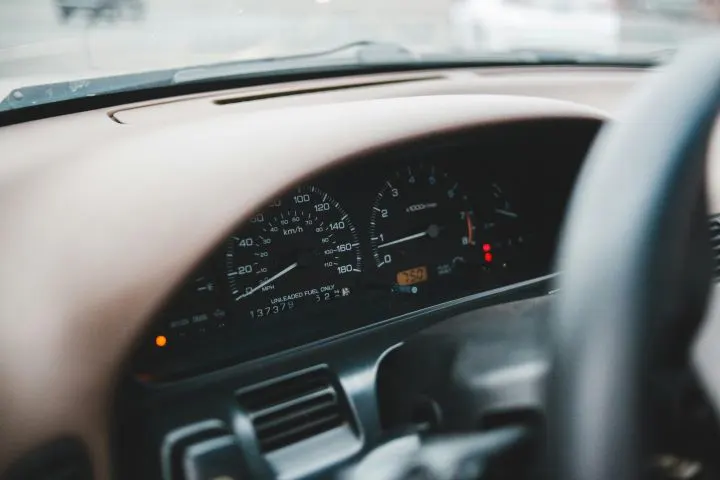
The systems use cameras and sensors to propel a vehicle on the road and avoid other vehicles, but IIHS said they can’t handle many of the everyday traffic scenarios that people can.
Pexels/Erik McIean
New research has found that partially automated vehicle systems do little if anything to prevent crashes.
The Insurance Institute for Highway Safety said a combination of crash data, insurance records, and its own studies of vehicles led it to conclude that the systems essentially amount to convenience features rather than safety ones.
The systems use cameras and sensors to propel a vehicle on the road and avoid other vehicles, but IIHS said they can’t handle many of the everyday traffic scenarios that people can, so drivers have to closely monitor progress in order to take over if needed. Yet the systems can lull drivers into a false sense of security, potentially reducing their attention on what’s taking place.
Following up on research it conducted in 2021, IIHS examined BMW and Nissan vehicles with the systems in a new study, finding that they don’t provide added safety on the road. Vehicles studied were 5 to 11 years old, and IIHS said it’s possible newer systems could be more effective, but it theorized that data already amassed for such technology already gives an accurate picture of its safety capabilities.
“At a minimum, safeguards like those IIHS promotes through its rating program are essential to reduce the risks that drivers will zone out or engage in other distracting activities while partial automation is switched on,” said IIHS Senior Vice President for Research Jessica Cicchino.
Over half of new vehicle models on the market last year came with partial automation as either standard or optional, the nonprofit group said. That’s despite the crashes that have happened while the systems were in use.
It distinguishes the partially automated features, which must be turned on and are typically used only on highways, from purely crash-avoidance features like automated emergency braking and lane-departure warnings, which activate only when danger arises.
Originally posted on Auto Dealer Today
More Industry

Penske Auto Group Deal a Record
The deal to take the dealership and transportation services company private sets a new pace for industry buy-sell transactions.
Read More →
War Toll a Damper on Used Auto Prices
Cox Automotive found wholesale depreciation to be elevated in September amid high fuel prices and this year's unusual hurricane season.
Read More →
Bridge the Maintenance Gap
With many drivers missing recommended maintenance, service departments offering transparency and efficiency have a better chance of reaching financially strained consumers.
Read More →
California Store Has New Owner
The longtime dealership in the northern part of the state is known for robust fleet sales and has served the state capital for 115 years.
Read More →
BMW Plant Pursues Cleaner Energy
BMW Group Plant Leipzig has utilized hydrogen to help power its production since 2013, but a new pipeline is planned to take it to another level.
Read More →
Auto Affordability Inches Up
The latest Cox Automotive and Moody’s Analytics index shows a slight increase in new-vehicle affordability despite high prices.
Read More →
Ohio Auto Group Under New Ownership
After 79 years with the Schluter family, Mansfield Auto Group has been acquired by Missouri-based Clement Auto Group.
Read More →
RV Group Expands Carolina Footprint
Blue Compass RV Columbia Northeast is the 13th RV dealership owned by Blue Compass in the Carolinas.
Read More →
Agent Acumen
An Agent Summit panel of people who’ve been supporting auto dealers for years gave both timely and timeless advice for those starting out or mulling the prospect.
Read More →
Missed Maintenance Creates Opportunity
As families get back on the road and into daily school routines, service drives have an opportunity to capture customers who are behind on recommended vehicle maintenance.
Read More →