



Final Fuel-Economy Rule Sets Lower Bar
Automakers must now achieve less-ambitious average for passenger cars, light trucks.

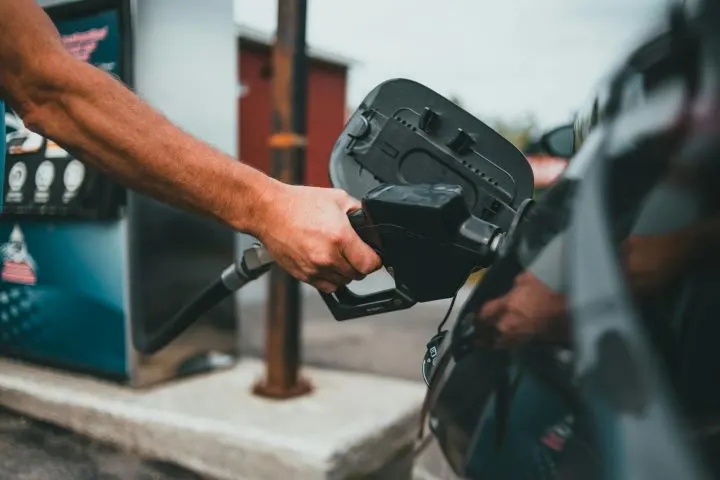
The new targets stand in stark contrast to the 13 miles per gallon the average U.S. vehicle got when Congress introduced fuel-economy standards in the 1970s.
Pexels/Erik McIean
The Biden administration finalized updated fuel-economy standards that are looser than proposed last year so that automakers can now achieve a lower bar over the next decade on new models’ fuel consumption.
Instead of an average fuel economy of about 58 miles per gallon for their fleets, companies must now achieve about a 54 miles per gallon threshold by 2032.
The bar-raising comes after demand for purely electric vehicles flattened in the U.S. following early adoption, failing to meet automakers’ ambitious estimates.
The new targets stand in stark contrast to the 13 miles per gallon that the average U.S. vehicle got when Congress introduced fuel-economy standards in the 1970s, the Department of Transportation said.
The final updated rule requires passenger cars’ fuel economy to increase 2% per year for model years 2027 to 2031 and light trucks’ to increase by the same measure for model years 2029 to 2031. The department said the gradual change will save owners more than $600 in fuel costs over their vehicles’ lifetimes and nealrly 70 billion gallons of gas by 2050.
“Not only will these new standards save Americans money at the pump every time they fill up, they will also decrease harmful pollution and make America less reliant on foreign oil,” U.S. Transportation Secretary Pete Buttigieg said in a press release.
The new rule complements a similarly scaled-back Environmental Protection Agency regulation of tailpipe emissions. Automakers can comply with the new standards with a mix of power train technologies, including hybrids and alternative-fuel vehicles.
Originally posted on Auto Dealer Today
More Industry

Penske Auto Group Deal a Record
The deal to take the dealership and transportation services company private sets a new pace for industry buy-sell transactions.
Read More →
War Toll a Damper on Used Auto Prices
Cox Automotive found wholesale depreciation to be elevated in September amid high fuel prices and this year's unusual hurricane season.
Read More →
Bridge the Maintenance Gap
With many drivers missing recommended maintenance, service departments offering transparency and efficiency have a better chance of reaching financially strained consumers.
Read More →
California Store Has New Owner
The longtime dealership in the northern part of the state is known for robust fleet sales and has served the state capital for 115 years.
Read More →
BMW Plant Pursues Cleaner Energy
BMW Group Plant Leipzig has utilized hydrogen to help power its production since 2013, but a new pipeline is planned to take it to another level.
Read More →
Auto Affordability Inches Up
The latest Cox Automotive and Moody’s Analytics index shows a slight increase in new-vehicle affordability despite high prices.
Read More →
Ohio Auto Group Under New Ownership
After 79 years with the Schluter family, Mansfield Auto Group has been acquired by Missouri-based Clement Auto Group.
Read More →
RV Group Expands Carolina Footprint
Blue Compass RV Columbia Northeast is the 13th RV dealership owned by Blue Compass in the Carolinas.
Read More →
Agent Acumen
An Agent Summit panel of people who’ve been supporting auto dealers for years gave both timely and timeless advice for those starting out or mulling the prospect.
Read More →
Missed Maintenance Creates Opportunity
As families get back on the road and into daily school routines, service drives have an opportunity to capture customers who are behind on recommended vehicle maintenance.
Read More →