



Seeing Is Selling!
Intangible products require a different approach.


Rick McCormick
Listen well, go visual, and involve the customer.
The products sold in the F&I office are invisible. Customers buy a tangible product because they can see, touch, smell or test it. However, they buy an intangible product because they see that they need it and what it will do for them. Many who have sold tangible products attempt to sell intangible products with the same efforts. That is a recipe for mediocre success, at best. There are three levels of selling intangible products. And an intentional effort to use the most effective manner, level three, will bring the most success.
LEVEL 1: TELL THEM ABOUT THE PRODUCTS.
This involves an entirely verbal effort to make the products come alive. You can see a certain level of success. However, there are much higher levels of success available for the person willing to go beyond this effort. Many of us were tapped for the F&I office because we were good at talking and knew what to say to a customer. However, the opposite is true in the F&I office. Our ability to listen, not talk, is the key to success. Knowing when to talk and when to listen is crucial. We should be talking 30% of the time and the customer 70% of the time. Developing your listening skills will move you to a higher level of trust with your customers, and they will buy more than you could ever sell them! Let’s move closer to the next level of selling and success!
LEVEL 2: SHOW THEM SOMETHING VISUAL.
Moving beyond just a verbal effort and utilizing visual reinforcement will provide an increase in acceptance levels of your products. Common sense tells us that moving from using just one of the five senses to utilizing two of them will get more buy-in from the customer. Telling a true story of how your product helped another customer makes what you’re selling real. Add to this the actual copy of the repair order that the customer can see, makes the need for the product more compelling. If you want to add the ultimate visual aid, have the actual part of the vehicle covered by the product available for them to see and touch! A damaged wheel or a failed ABS actuator brings reality to the need of the coverage to your customer. This creates a vision of the possible outcomes if something bad happens to them, both with and without your product. Move onto the next level.
LEVEL 3: INVOLVE THE CUSTOMER IN THE LEARNING PROCESS.
To involve three of the five senses, get your customer physically involved. If math is needed to illustrate a benefit of a product, have them open the calculator on their phone and ask them to “help me with the math.” The numbers then become their numbers. And numbers they arrive at add a thousand times more credibility to the process. Selling anything, let alone an invisible product, is not a spectator sport. The customer should always participate in the process of uncovering how they will benefit from the product discussed. This allows them to self-discover their need for the product and how it will benefit them. This is the most effective effort to build value in the products you offer, and produces the best results.
Look around your office. Which visual and tangible tools are available to help customers see and experience products? Brochures are for selling, other visuals are for learning. Choose wisely! The minute you put something into a customer’s hands, they start buying more products. And if a customer can hold something in their hand to illustrate a need for a product, that’s level-three selling and the most effective way to help customers buy the products they need. And a byproduct of level three selling: It is more fun for you and the customer!
I look forward to seeing you on my next post!
Rick McCormick is national account development manager for Reahard & Associates.
Originally posted on F&I and Showroom
More Industry

Penske Auto Group Deal a Record
The deal to take the dealership and transportation services company private sets a new pace for industry buy-sell transactions.
Read More →
War Toll a Damper on Used Auto Prices
Cox Automotive found wholesale depreciation to be elevated in September amid high fuel prices and this year's unusual hurricane season.
Read More →
Bridge the Maintenance Gap
With many drivers missing recommended maintenance, service departments offering transparency and efficiency have a better chance of reaching financially strained consumers.
Read More →
California Store Has New Owner
The longtime dealership in the northern part of the state is known for robust fleet sales and has served the state capital for 115 years.
Read More →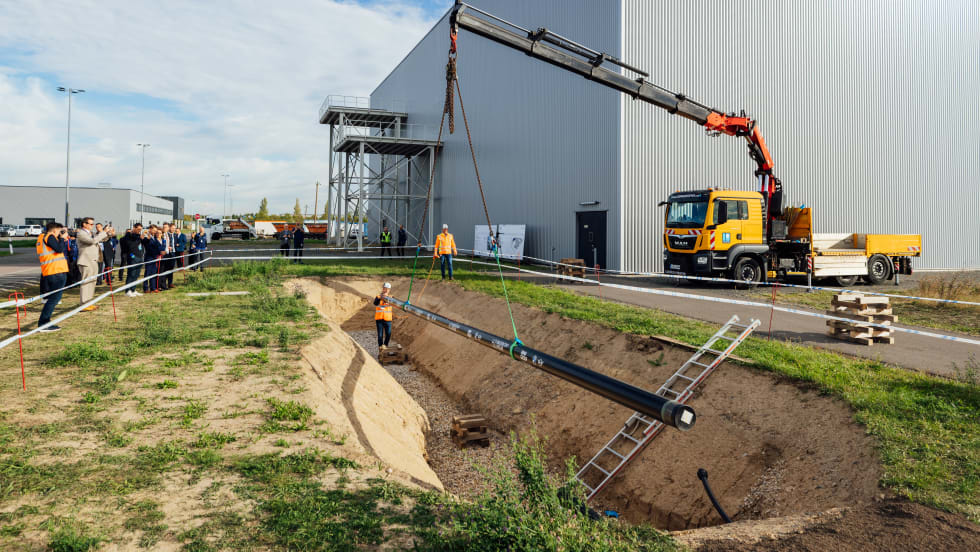
BMW Plant Pursues Cleaner Energy
BMW Group Plant Leipzig has utilized hydrogen to help power its production since 2013, but a new pipeline is planned to take it to another level.
Read More →
Auto Affordability Inches Up
The latest Cox Automotive and Moody’s Analytics index shows a slight increase in new-vehicle affordability despite high prices.
Read More →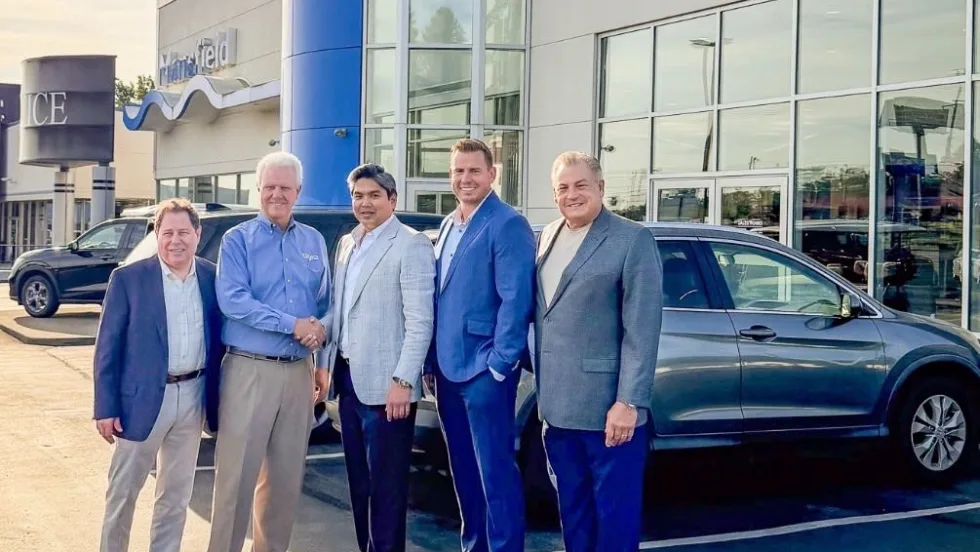
Ohio Auto Group Under New Ownership
After 79 years with the Schluter family, Mansfield Auto Group has been acquired by Missouri-based Clement Auto Group.
Read More →
RV Group Expands Carolina Footprint
Blue Compass RV Columbia Northeast is the 13th RV dealership owned by Blue Compass in the Carolinas.
Read More →
Agent Acumen
An Agent Summit panel of people who’ve been supporting auto dealers for years gave both timely and timeless advice for those starting out or mulling the prospect.
Read More →
Missed Maintenance Creates Opportunity
As families get back on the road and into daily school routines, service drives have an opportunity to capture customers who are behind on recommended vehicle maintenance.
Read More →