



Yazaki, Denso Agree to Plead Guilty to Price-Fixing on U.S. Vehicle Parts

Denso Corp. and Yazaki Corp, two Japanese suppliers of auto parts, agreed to plead guilty and pay a total of $548 million in criminal fines for their role in a price-fixing and bid-rigging conspiracy.
Yazaki agreed to pay $470 million, the second-largest criminal fine for a violation of the Sherman Act antitrust law, and four Japanese executives at the closely held company agreed to serve prison sentences ranging from 15 months to two years, the U.S. Justice Department said yesterday in an e-mailed statement. Denso, which is 23 percent owned by Toyota Motor Corp., agreed to pay $78 million, reported Bloomberg.
The penalties bring the total industry fines in the U.S. and Japan to more $915 million since authorities worldwide said almost two years ago that they began a global investigation. The conspiracy to rig bids and fix prices of auto parts, including instrument panels, electrical systems and heater control panels, had been going on for as long as a decade, according to court filings by the Justice Department.
“This most recent penalty and prison terms for four executives again underscores the risks for Asian companies arising from increased antitrust enforcement efforts by U.S. regulators,” Stephen Crosswell, a lawyer with Clifford Chance LLP, wrote in an e-mail. “Asian companies also need to be aware of the potential exposure they face closer to home.”
The investigation into the auto parts price-rigging scheme is “ongoing,” and the executives who agreed to plead guilty also agreed to cooperate with the probe, according to the statement.
“The antitrust division will continue to work with the FBI and our law enforcement counterparts to root out this kind of pernicious cartel conduct that results in higher prices to American consumers and businesses,” Sharis Pozen, the division’s acting chief, said in the statement.
Japan’s Fair Trade Commission this month agreed to fine Yazaki, Sumitomo Electric Industries Ltd., Fujikura Ltd. and Furukawa Electric Co. a combined 12.9 billion yen ($169 million) for price-fixing.
“We’re focused on our future and happy to have this chapter closed,” said Misty Matthews, a spokeswoman for Yazaki. In a statement on its website, Yazaki said it has cooperated fully with the Justice Department investigation and would cut the salaries of its chairman and president by 50 percent for three months “as a reflection of remorse.”
Denso, Japan’s biggest supplier of auto parts, said in a statement that its chairman, president and some board members and executive directors will voluntarily return 10 percent to 30 percent of their compensation for three months beginning in February.
Since learning of the investigation in February 2010, the company has cooperated fully with the probe, Denso said. The fine won’t have a material effect on the company’s financial forecast, according to the statement.
“Toyota has consistently asked its suppliers to respect the law,” Toyota spokeswoman Shiori Hashimoto said by phone. “If the parts makers that received orders from the authorities did in fact commit violations of antitrust laws, we would understand this to be a serious issue.”
General Motors Co. spokesman Johan Willems, Mitsuru Yonekawa at Nissan and Hajime Kaneko at Honda Motor Co. declined to comment on the case. Ford Motor Co. spokesman Trevor Hale and Tata Motors Ltd. spokesman Debasis Ray didn’t immediately respond to queries.
Denso fell 2.2 percent, the most since Jan. 6, to 2,265 yen in Tokyo trading, while the benchmark Nikkei 225 Stock Average climbed 0.1 percent.
Pozen said during a press briefing in Washington that the investigation was the largest criminal probe in terms of the volume of the underlying commerce that the division has ever conducted. The plea agreements with Yazaki and Denso represent the second round of charges in the investigation, which has been continuing for about two years, Pozen said.
Tokyo-based Furukawa Electric Co. pleaded guilty and was sentenced to pay a $200 million fine on Nov. 14, 2011, for its role in an auto parts price-fixing and bid-rigging conspiracy, the Justice Department said.
The largest fine under the Sherman Act was $500 million against F. Hoffmann-LaRoche Ltd. in 1999, according to the Justice Department’s website.
More Industry

Penske Auto Group Deal a Record
The deal to take the dealership and transportation services company private sets a new pace for industry buy-sell transactions.
Read More →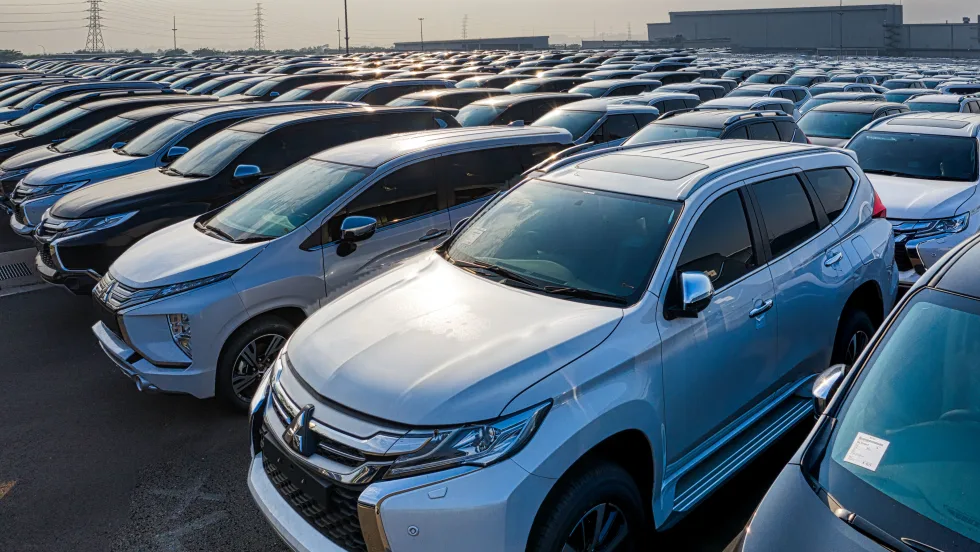
War Toll a Damper on Used Auto Prices
Cox Automotive found wholesale depreciation to be elevated in September amid high fuel prices and this year's unusual hurricane season.
Read More →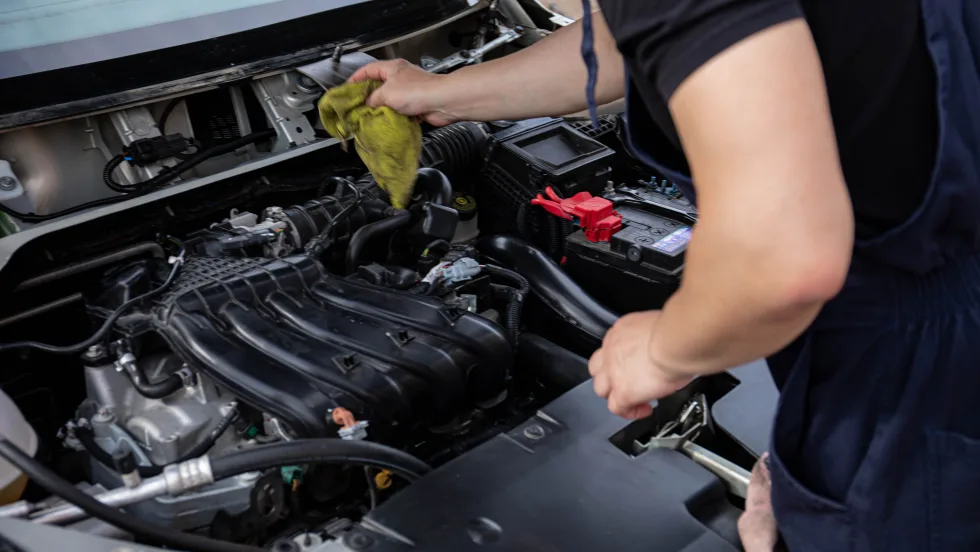
Bridge the Maintenance Gap
With many drivers missing recommended maintenance, service departments offering transparency and efficiency have a better chance of reaching financially strained consumers.
Read More →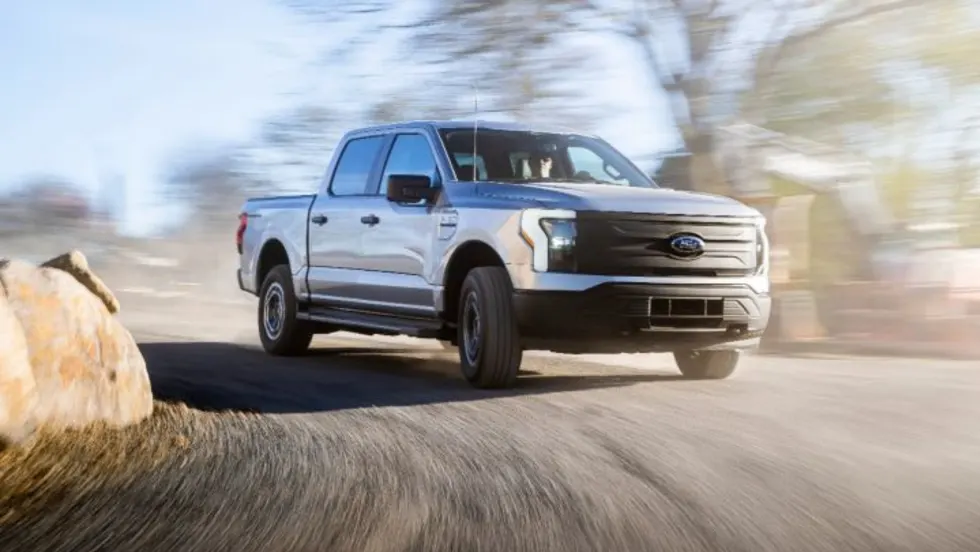
California Store Has New Owner
The longtime dealership in the northern part of the state is known for robust fleet sales and has served the state capital for 115 years.
Read More →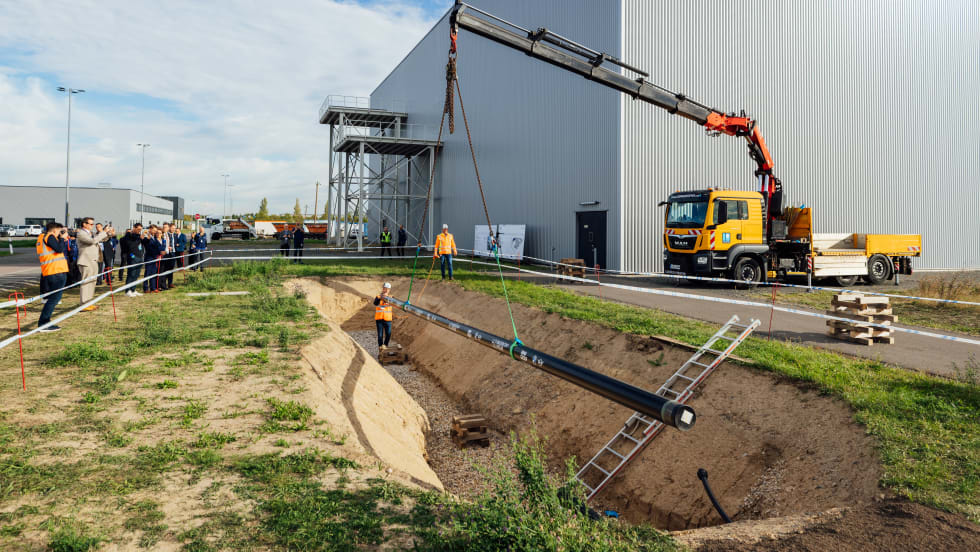
BMW Plant Pursues Cleaner Energy
BMW Group Plant Leipzig has utilized hydrogen to help power its production since 2013, but a new pipeline is planned to take it to another level.
Read More →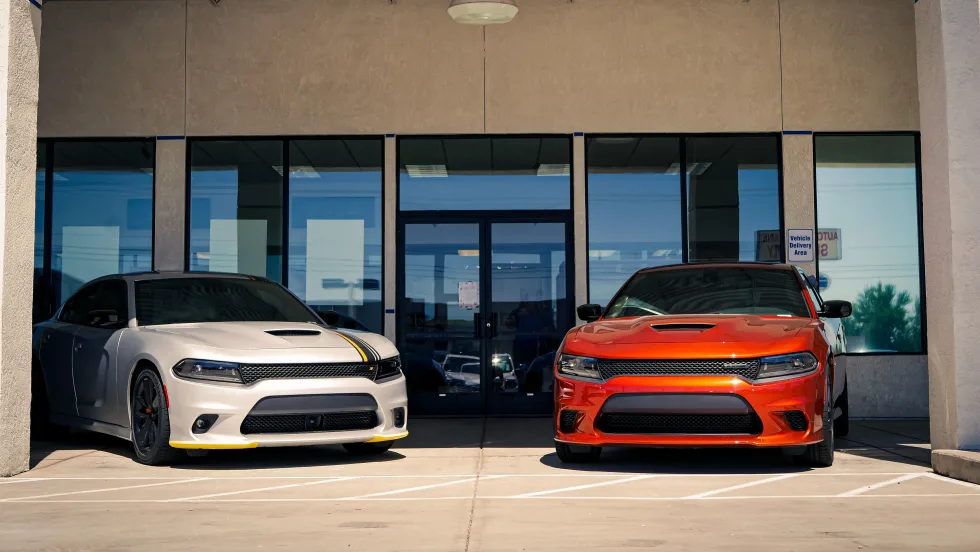
Auto Affordability Inches Up
The latest Cox Automotive and Moody’s Analytics index shows a slight increase in new-vehicle affordability despite high prices.
Read More →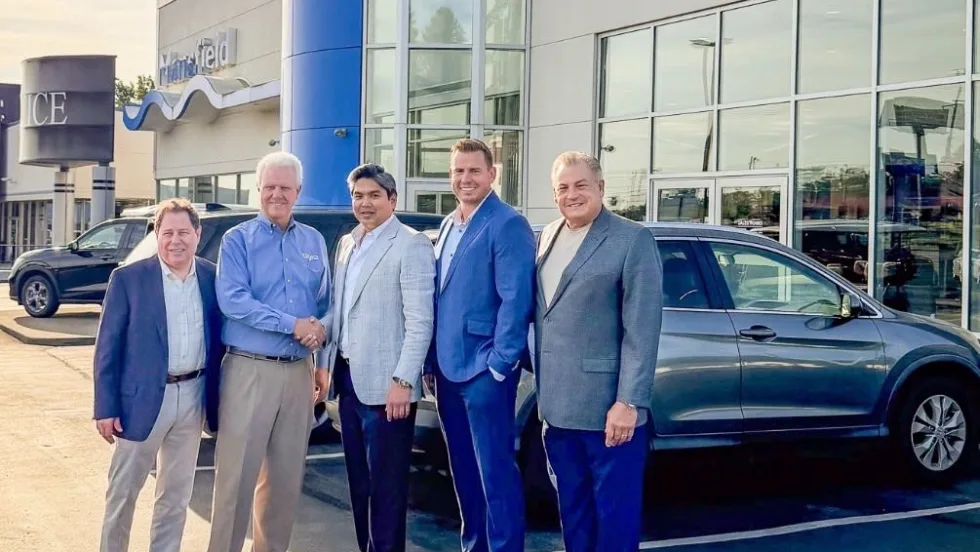
Ohio Auto Group Under New Ownership
After 79 years with the Schluter family, Mansfield Auto Group has been acquired by Missouri-based Clement Auto Group.
Read More →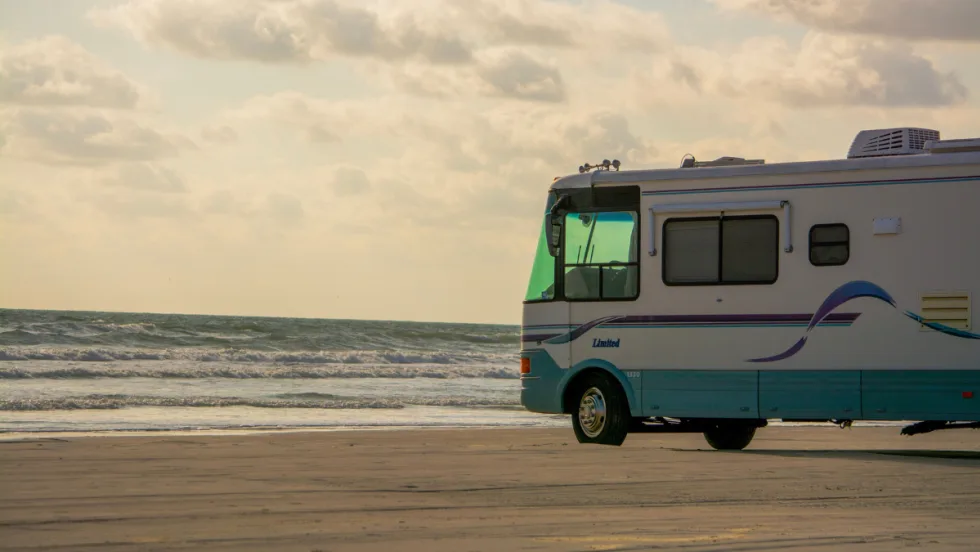
RV Group Expands Carolina Footprint
Blue Compass RV Columbia Northeast is the 13th RV dealership owned by Blue Compass in the Carolinas.
Read More →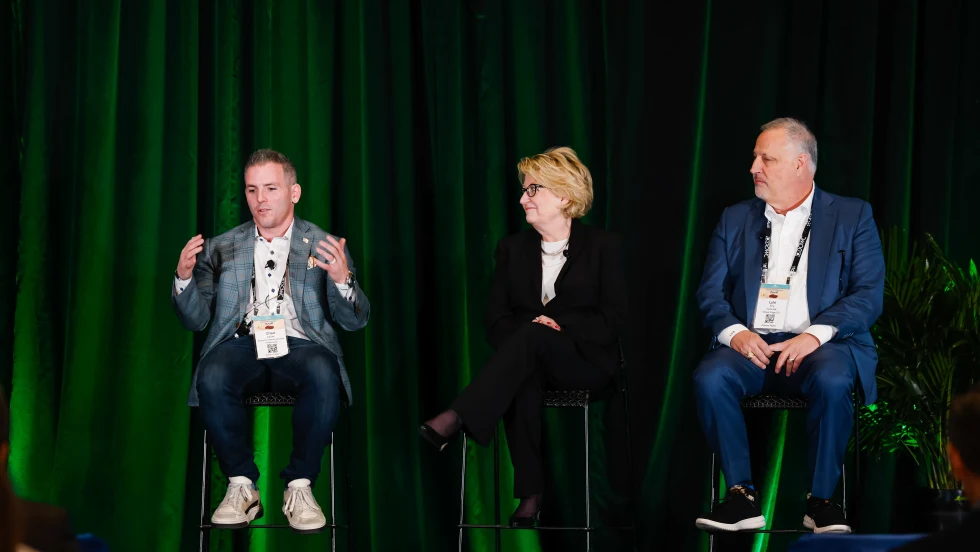
Agent Acumen
An Agent Summit panel of people who’ve been supporting auto dealers for years gave both timely and timeless advice for those starting out or mulling the prospect.
Read More →
Missed Maintenance Creates Opportunity
As families get back on the road and into daily school routines, service drives have an opportunity to capture customers who are behind on recommended vehicle maintenance.
Read More →