



William R. Reagan, Founder of LoJack Corp., Dies at 78

Canton, Mass. - William R. Reagan, the founder of LoJack Corp. and the LoJack Stolen Vehicle Recovery System passed away on July 1, 2013 at the age of 78.
A former Medfield Police Commissioner and Town Selectman, Reagan founded LoJack and developed its Stolen Vehicle Recovery System to keep police officers and investigators safe during the pursuit and recovery of stolen vehicles. In 1979, a U.S. patent was issued to Reagan for his invention. In 1986, he formed LoJack Corp. and served as the company's inaugural chairman and CEO. Because of the public service focus and impact of Reagan's innovation, LoJack was granted authority to use an FCC frequency for the purpose of tracking stolen vehicles.
"LoJack Corp. exists because of Bill's creative thinking, passion and dedication to keeping law enforcement safe during the tracking and recovery of stolen vehicles," said Randy J. Ortiz, president and CEO of LoJack Corp. "Bill built the foundation that LoJack still stands on today, including our unique and direct integration with law enforcement, as well as the invention of a proven technology platform that has led to the recovery of nearly $4 billion in assets globally."
"Bill's invention has saved the lives of numerous police officers and helped uncover larger crimes well beyond vehicle theft," said Patrick Clancy, vice president of LoJack's internal Law Enforcement Department. "I was fortunate to work with Bill at the Medfield (Mass.) Police Department before joining LoJack. The system that Bill created has become an invaluable resource that allows police officers to recover stolen vehicles with limited risk to them, their fellow officers and the public. I am incredibly proud and honored to have worked for decades with the company that Bill founded."
Reagan's commitment to keep law enforcement officers safe in the pursuit and recovery of stolen vehicles has led to a wireless system that today operates in 28 states and the District of Columbia, and in more than 30 countries throughout North America, South America, Europe and Africa. More than 1,800 law enforcement agencies across the U.S. use LoJack Police Tracking Computers.
More Industry
Nebraska Rooftop Changes Hands
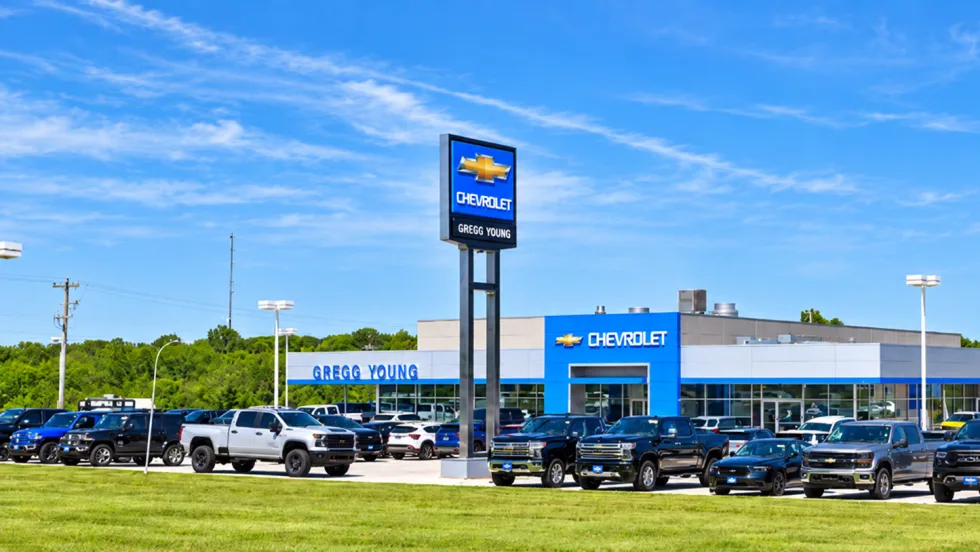
The Gregg Young Automotive Group has sold its second dealership to Janssen Auto Group, both in Plattsmouth, Neb.
Read More →
Penske Auto Group Deal a Record
The deal to take the dealership and transportation services company private sets a new pace for industry buy-sell transactions.
Read More →
War Toll a Damper on Used Auto Prices
Cox Automotive found wholesale depreciation to be elevated in September amid high fuel prices and this year's unusual hurricane season.
Read More →
Bridge the Maintenance Gap
With many drivers missing recommended maintenance, service departments offering transparency and efficiency have a better chance of reaching financially strained consumers.
Read More →
California Store Has New Owner
The longtime dealership in the northern part of the state is known for robust fleet sales and has served the state capital for 115 years.
Read More →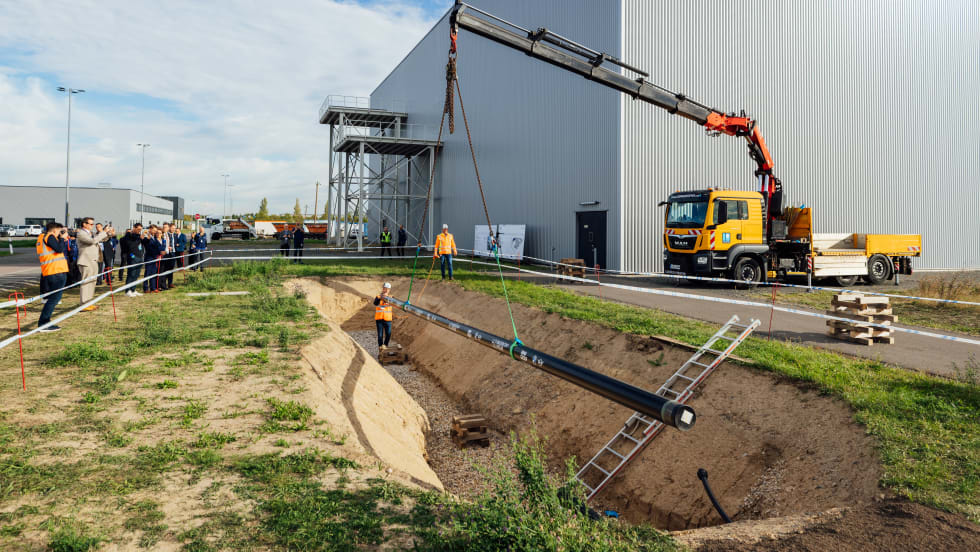
BMW Plant Pursues Cleaner Energy
BMW Group Plant Leipzig has utilized hydrogen to help power its production since 2013, but a new pipeline is planned to take it to another level.
Read More →
Auto Affordability Inches Up
The latest Cox Automotive and Moody’s Analytics index shows a slight increase in new-vehicle affordability despite high prices.
Read More →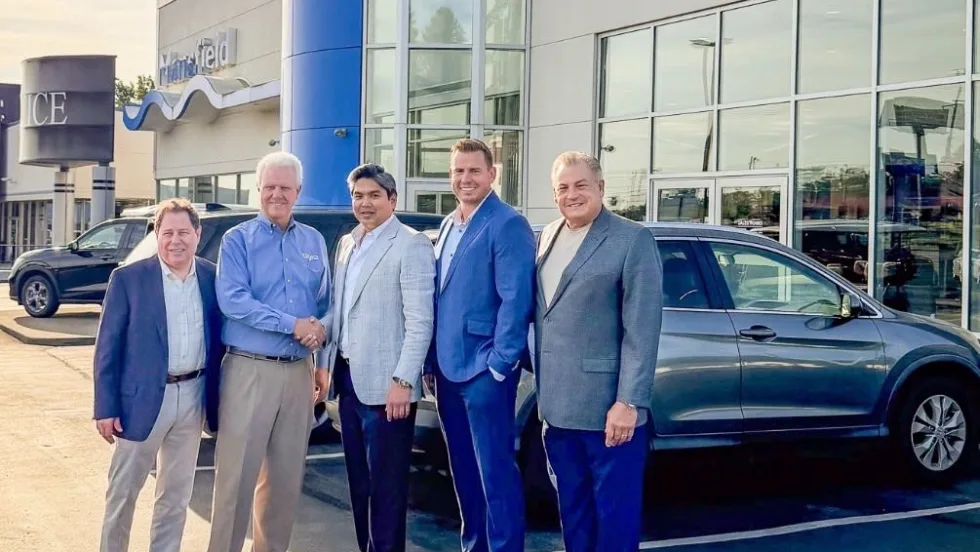
Ohio Auto Group Under New Ownership
After 79 years with the Schluter family, Mansfield Auto Group has been acquired by Missouri-based Clement Auto Group.
Read More →
RV Group Expands Carolina Footprint
Blue Compass RV Columbia Northeast is the 13th RV dealership owned by Blue Compass in the Carolinas.
Read More →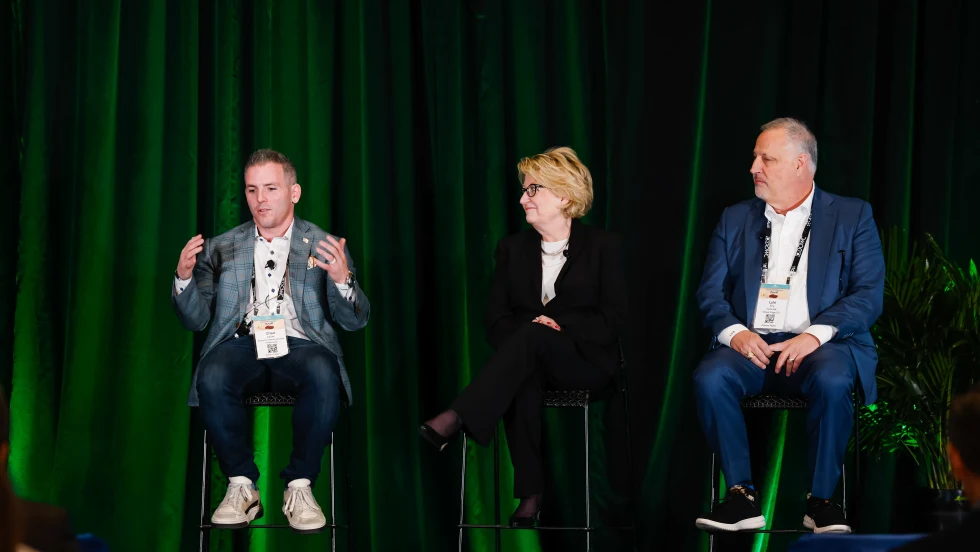
Agent Acumen
An Agent Summit panel of people who’ve been supporting auto dealers for years gave both timely and timeless advice for those starting out or mulling the prospect.
Read More →