



Why It's Easier (for Drivers with Good Credit) to Buy a Car Now

Car dealers, auto finance companies and credit market analysts are seeing a decided spring thaw in the auto finance market—especially for drivers with good credit, reported The Wall Street Journal. Right now, GMAC Financial Services is offering zero percent interest loans and discounted leases to help GM and Chrysler boost sluggish sales. GMAC is offering a $499 a month, 39-month lease on the Cadillac CTS with $1,000 down—or nothing down for customers already driving vehicles leased from GM. (Beware: The penalty for driving more than 39,000 miles is $0.20 a mile.) Honda Motor Co. is offering aggressive lease deals—pushing leasing to more than half of current deals. Among the Honda offers is a $0 down, 36-month lease on a 2010 Honda Civic LX with payments of $159 a month. Luxury car makers are pushing to accelerate the rebound in demand. BMW dealers are promoting $2,500 discounts on certain models as part of a "spring drive" event. Lexus dealers are promoting a $359 a month, 36-month lease deal for the Lexus IS, with the first month's payment waived. (Fine print on one dealer's website cautions the deal is for people with "top tier" credit.) Data compiled by Informa Research Services Inc. and J.D. Power and Associates suggest the thaw is real and widespread. For example, Informa's analysis of the rates lenders are offering to consumers in different credit tiers shows that between January 2009 and March 2010, the average rate offered to consumers with top-drawer credit—FICO scores in the range of 720 to 850—dropped to about 5.8 percent from 7.1 percent. The rates for customers with middle-tier FICO scores in a range of 660-689 were being offered loans at an average rate of about 9.4% in early March, down from an average of 10.2 percent in January 2009. But people whose credit scores fell below the 660 level were offered loans earlier in March at average interest rates of about 13.2 percent—up from about 12.9 percent in January 2009. After the late-2008 financial-market meltdown, getting customers with credit issues into a new car loan was hard work. Customers needed to put down a third of the car's price or get co-signers if their credit scores weren't top notch, Mr. Gorham says. Now, even the consumer with a weaker credit score might get the loan, as opposed to being denied, dealers say. The recovery in the auto credit market is the result of various factors, analysts say. A program launched by the Federal Reserve to jump start demand for securities backed by car loans worked, and slowly allowed auto makers' finance companies to once again raise capital for new loans by selling off their old ones. That program recently expired, amid a consensus that it was no longer needed. It helped that even in hard times, consumers tend to pay their car loans. J.D. Power and Associates analyzed its credit data, along with data from TransUnion LLC and Fair Isaac Corp., and found that the share of subprime auto loans financed by auto finance companies has expanded to 51 percent in early March from 40 percent in January 2009. Informa puts the difference between the average loan rate offered to someone with a FICO score in the 620-659 band and someone in the 660-689 band at nearly 4 percentage points. That's about $2,300 over the life of a four-year, $25,000 car loan. What this means is that now more than ever, consumers shopping for auto leases and loans need to know what their credit scores are—and if they can, take steps to repair or bolster their credit if the numbers are low. Consumers also have more options when shopping for the best rates from credit unions or banks, as well as the dealer finance departments and the auto makers' lenders.
More Industry
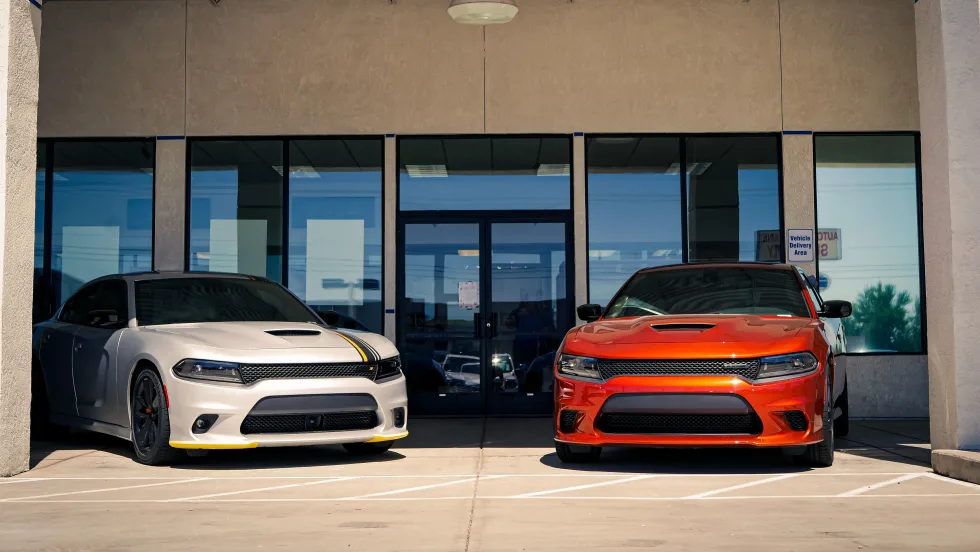
Auto Affordability Inches Up
The latest Cox Automotive and Moody’s Analytics index shows a slight increase in new-vehicle affordability despite high prices.
Read More →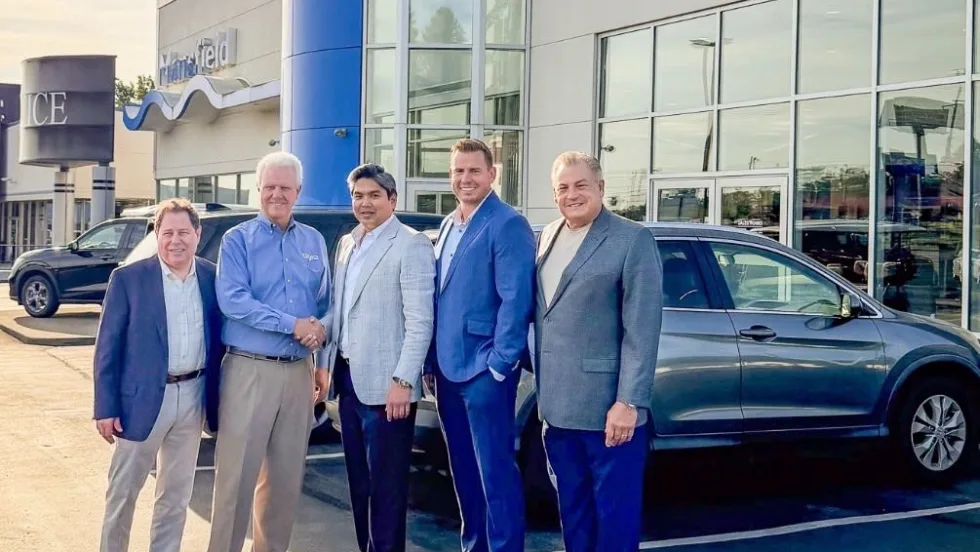
Ohio Auto Group Under New Ownership
After 79 years with the Schluter family, Mansfield Auto Group has been acquired by Missouri-based Clement Auto Group.
Read More →
RV Group Expands Carolina Footprint
Blue Compass RV Columbia Northeast is the 13th RV dealership owned by Blue Compass in the Carolinas.
Read More →
Agent Acumen
An Agent Summit panel of people who’ve been supporting auto dealers for years gave both timely and timeless advice for those starting out or mulling the prospect.
Read More →
Missed Maintenance Creates Opportunity
As families get back on the road and into daily school routines, service drives have an opportunity to capture customers who are behind on recommended vehicle maintenance.
Read More →
Mitsubishi Unveils U.S. Plan
The automaker announced a strategy that includes an expanded lineup and dealership presence, along with more ‘rugged’ and electric models.
Read More →
Selling to Grow
The question of whether you should sell your agency and if so, when, is up to you. But it’s a question worth asking to ensure you keep the business on the right path for yourself, employees and clients.
Read More →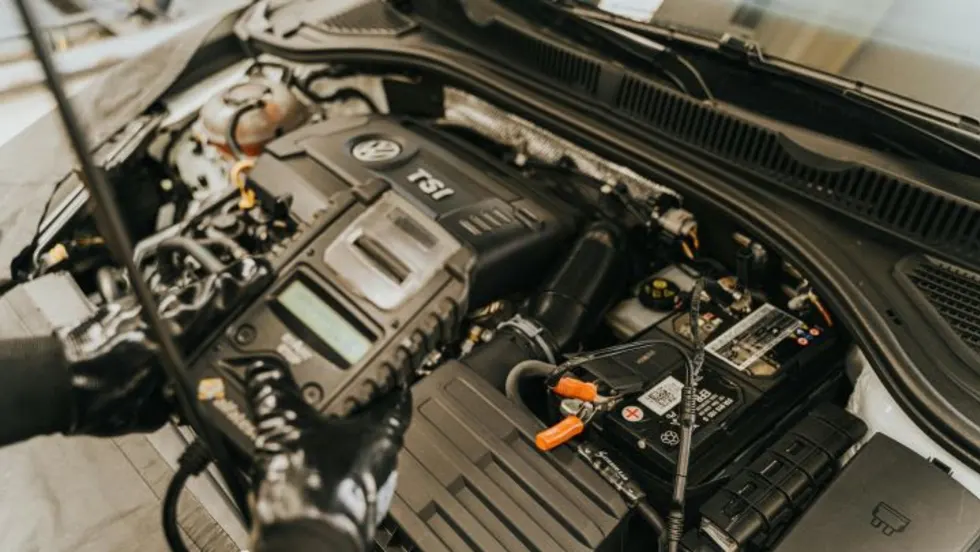
Recalled Vehicles Hit 5-Year High
Though the number of events has fallen so far this year, impacted units are up significantly. Meanwhile, regulators consider consumer notification changes.
Read More →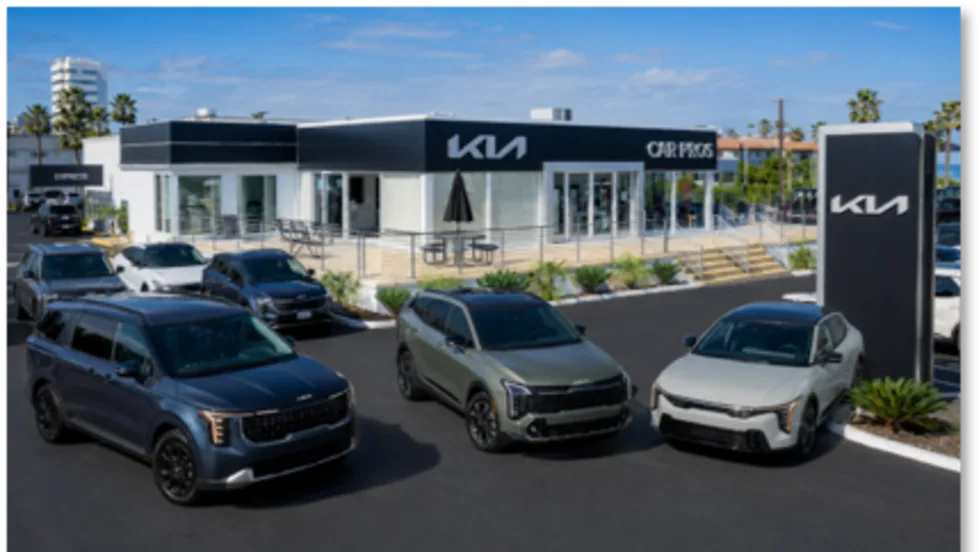
Auto Group Acquires Top-Performing Rooftop
Car Pros sold its Kia Huntington Beach location to Sutherlin Automotive Group, marking the buyer’s third location in Southern California.
Read More →
China as Pacesetter
Automotive leaders huddled on where North America stands in the global picture and how it can strengthen its position against the Asian juggernaut’s surging industry.
Read More →